
Power outages are becoming more frequent across the United States due to severe weather, aging electrical infrastructure, and increasing demand on the grid. For homeowners, even a short outage can disrupt heating or cooling, refrigeration, medical equipment, communication, and basic safety.
Backup power solutions are no longer a luxury. They are a core part of modern home preparedness. This hub provides a clear, homeowner-friendly overview of the major backup power options available today, how they work, and how to choose the right solution based on your needs, budget, and outage risks.
Understanding Modern Backup Power Solutions
Backup power systems are designed to solve different outage problems. Some prioritize quiet, indoor-safe operation, while others focus on high output for extended outages. Many homeowners benefit from combining multiple systems into a layered strategy.
Solar Generators & Portable Power Stations
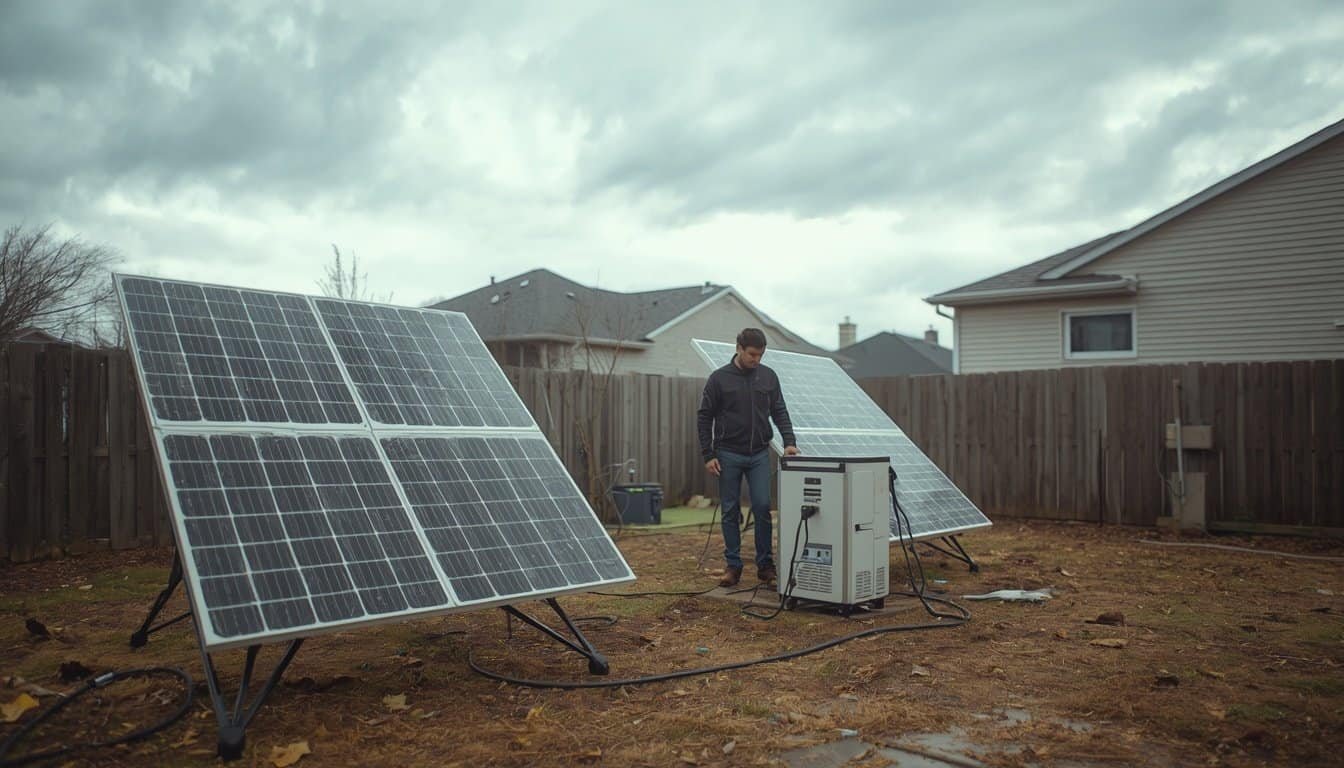
Solar generators, also known as portable power stations, combine rechargeable batteries, inverters, and multiple output ports into a single unit. They are silent, require no fuel, and can be safely used indoors.
These systems are well suited for powering refrigerators, charging electronics, running medical devices, and handling short to moderate outages. When paired with solar panels, they can be recharged during daylight hours.
Non-Solar Backup Power Systems
Non-solar backup power systems include UPS units, dedicated battery backups, inverter-based systems, and other battery-powered solutions that do not rely on solar charging. Many are designed for instant switchover when grid power fails.
These systems excel at keeping critical electronics, internet equipment, and medical devices running without interruption, but their runtime is limited by battery capacity.
Fuel Generators (Gas, Propane & Dual-Fuel)
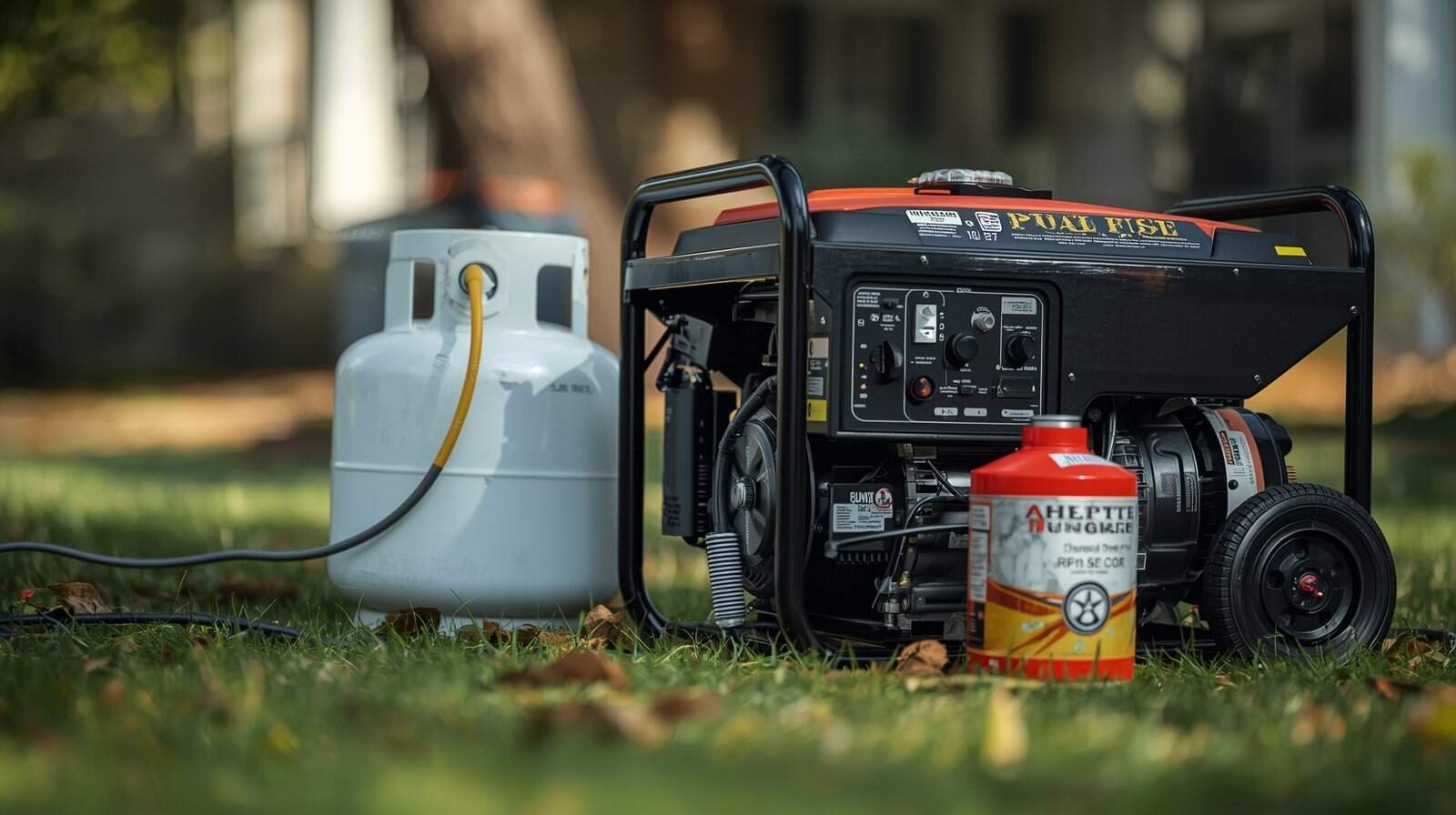
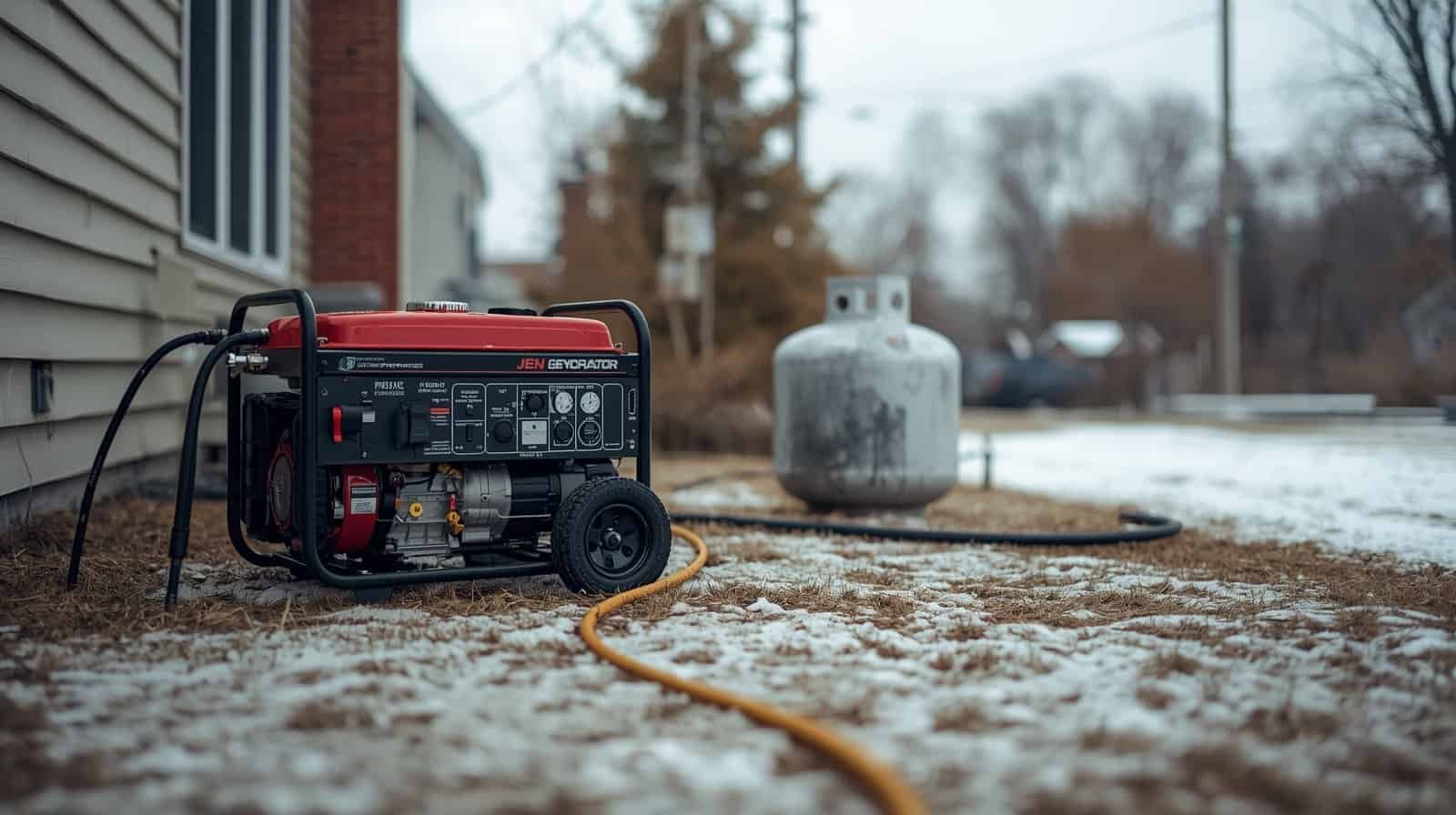
Fuel-powered generators remain the most powerful and versatile backup power option for extended outages. They can support high-wattage appliances such as furnaces, sump pumps, well pumps, and multiple household circuits.
Gasoline, propane, and dual-fuel generators each offer different advantages related to fuel availability, storage life, and flexibility during long outages.
Planning for Power Outages
Choosing the right backup power solution starts with understanding your outage risks and priorities. Outage duration, climate, and local grid reliability all influence the type of system that makes sense for your home.
Identify Critical Loads
Most homes do not need to power everything during an outage. Identifying critical loads such as refrigeration, heating equipment, medical devices, lighting, and communication systems helps determine capacity and runtime requirements.
Match Power Output to Runtime Needs
Higher output systems often trade portability for longer runtime and greater capacity. Smaller systems provide convenience and safety but may require careful load management during longer outages.
Hybrid Backup Power Strategies
Many homeowners achieve the best results by combining multiple backup power systems. Hybrid strategies provide flexibility, redundancy, and better coverage across different outage scenarios.
Solar + Battery + Generator Setups
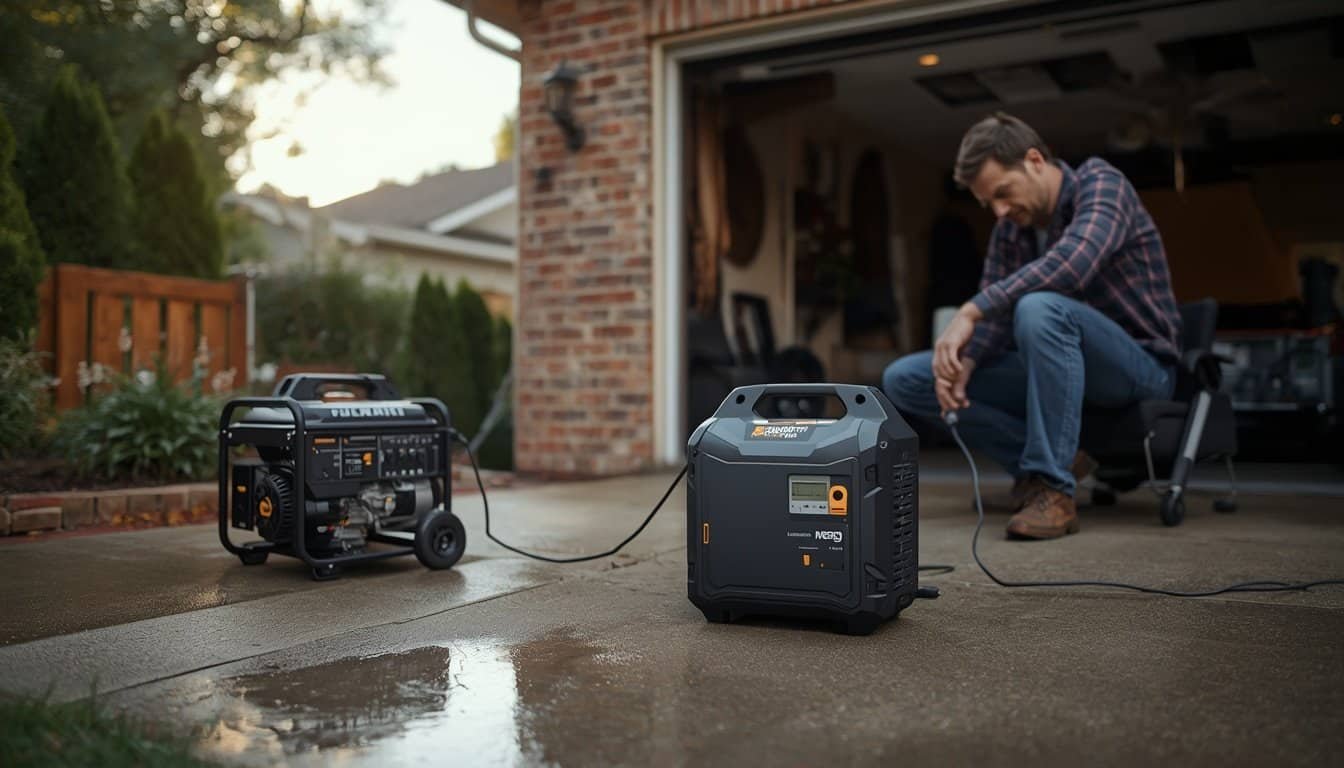
A layered approach often uses battery-based systems for quiet, indoor-safe power while reserving fuel generators for heavy loads and extended outages. Solar charging can reduce fuel consumption and extend overall runtime.
Safety Considerations
Backup power systems must be used correctly to avoid serious safety risks. Each type of system has specific requirements that should never be ignored.
Fuel Generator Safety
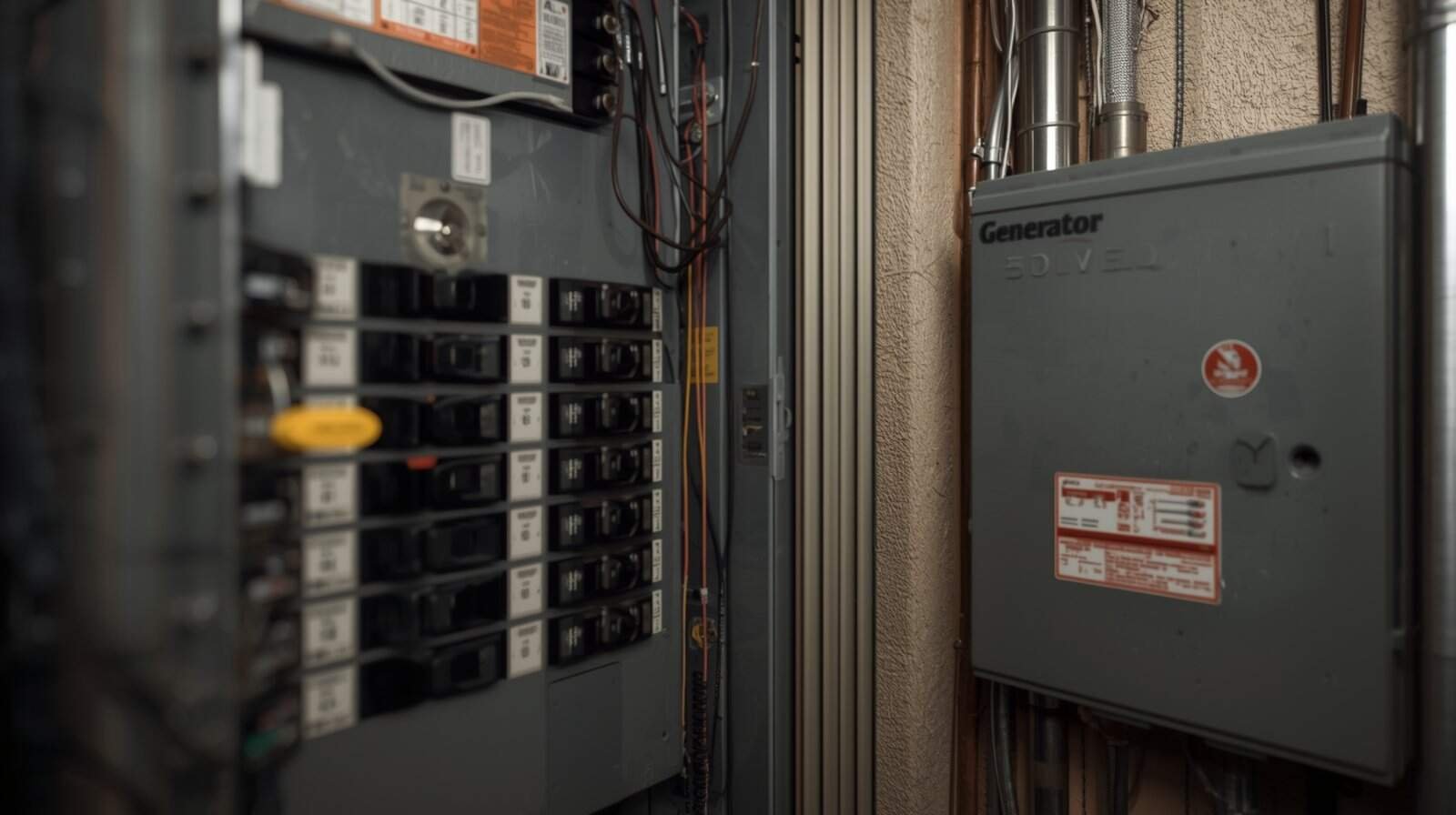
Fuel generators must always be operated outdoors, far from doors, windows, and vents. Carbon monoxide risks, electrical backfeeding, and improper placement are common causes of generator-related injuries.
Battery and Solar System Safety
Battery-based systems should be operated within their rated limits, kept within safe temperature ranges, and used with proper cables and accessories. Overloading or improper wiring can damage equipment and reduce lifespan.
Explore Backup Power Guides
The articles below provide in-depth guidance on selecting, using, and troubleshooting backup power systems. New resources are added regularly as PowerPrepGuide expands its coverage.