


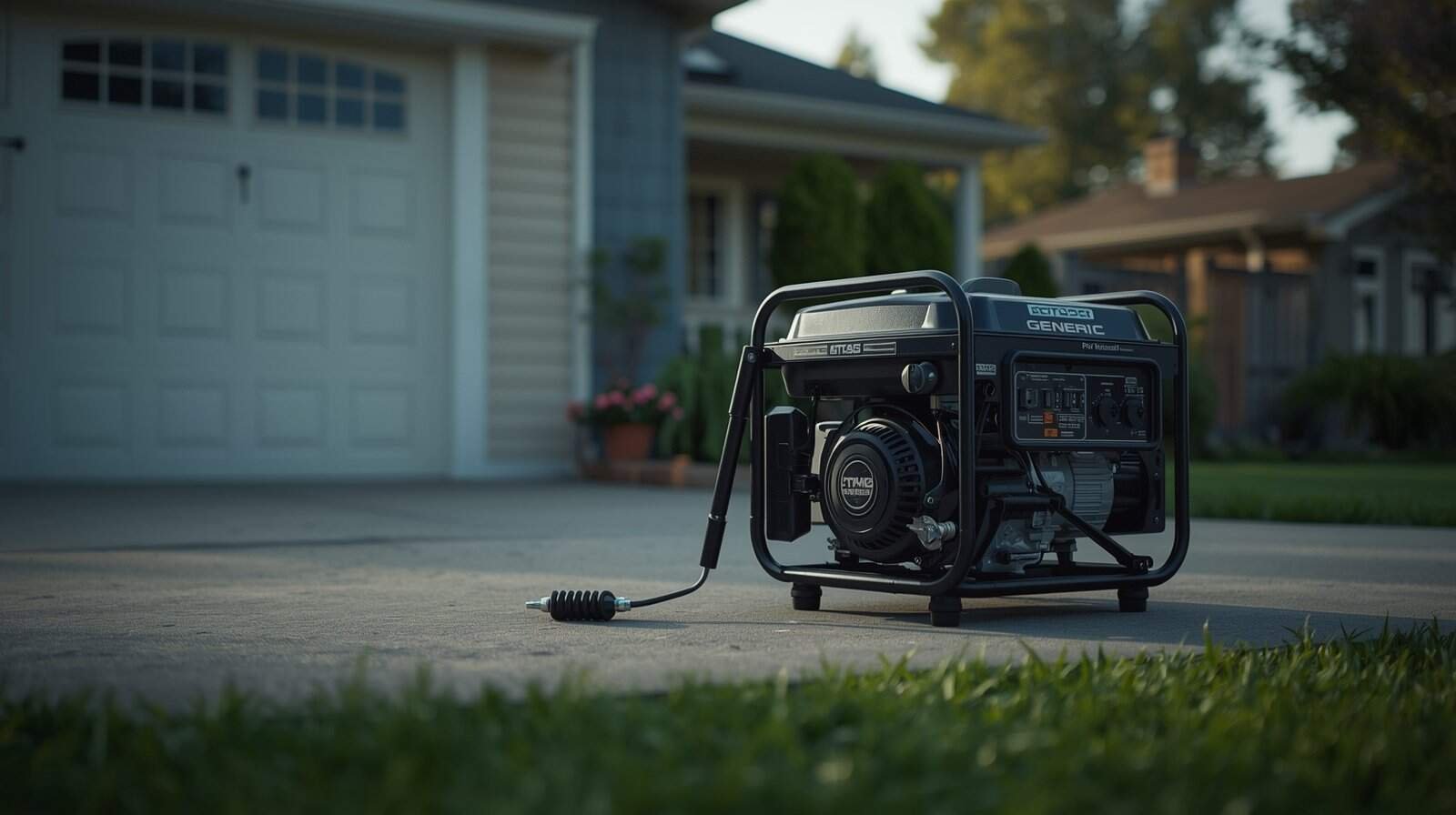
This article focuses on how long a generator can operate safely from a mechanical and maintenance standpoint, not how much fuel it consumes. During an extended power outage, one of the most common and important questions homeowners ask is how long a generator can safely run. While generators are designed to operate for extended periods, running them continuously without understanding their limits can lead to mechanical damage, safety hazards, or premature failure.
This guide explains how long different types of generators can run safely, what factors limit runtime, and best practices for extended operation during outages.
There Is No Single Runtime Answer
Generator runtime depends on several factors, including generator type, fuel source, electrical load, maintenance condition, and environmental factors. Some generators are designed for intermittent use, while others are built for continuous or near-continuous operation.
Typical Safe Runtime Ranges
Portable gasoline generators
Many portable gasoline generators are designed to run for 8–12 hours on a full tank under moderate load. After this period, they should be shut down to refuel, check oil levels, and allow cooling.
Propane and dual-fuel generators
Propane-powered generators often support longer continuous runtimes because propane burns cleaner and does not degrade like gasoline. Runtime depends heavily on tank size and load.
Standby generators
Permanently installed standby generators connected to natural gas or large propane tanks can run continuously for days, provided maintenance requirements are met and fuel supply remains uninterrupted.
What Limits How Long a Generator Can Run
Fuel supply
The most obvious limitation is fuel availability. Running out of fuel not only stops power but can introduce air into fuel lines, making restart more difficult.
Oil consumption
Generators consume oil during operation. Running too long without checking oil levels can trigger shutdowns or cause engine damage.
If you’re planning fuel storage and refueling logistics, see how much fuel a generator uses.
Electrical load
Heavier electrical loads increase heat and wear. Operating near maximum capacity for extended periods shortens safe runtime.
Cooling and ventilation
High temperatures, poor airflow, or obstructed cooling vents can cause overheating and automatic shutdown.
Automatic shutdowns can occur when generators overheat or experience load issues. If this happens, see our guide on why generators shut off unexpectedly.
Best Practices for Extended Generator Operation
- Run the generator at moderate load whenever possible
- Shut down periodically to refuel and inspect oil levels
- Allow the generator to cool before restarting
- Keep the unit clean and free of debris
- Follow manufacturer maintenance intervals during long outages
Signs a Generator Needs a Break
Warning signs include unusual noises, strong fuel odors, overheating, frequent shutdowns, or declining power output. If any of these occur, stop operation and investigate before continuing.
Extended runtime without proper cooling or maintenance can also lead to starting problems later. If your unit fails to restart, review our guide on common reasons generators won’t start.
Safety Comes First
Never operate generators indoors or in enclosed spaces, even for short periods. Always place generators far from windows, doors, and vents, and use carbon monoxide detectors inside the home.
Conclusion
Generators can provide reliable power during extended outages when operated within their limits. Understanding safe runtime practices helps protect your equipment, your home, and the people relying on backup power.