


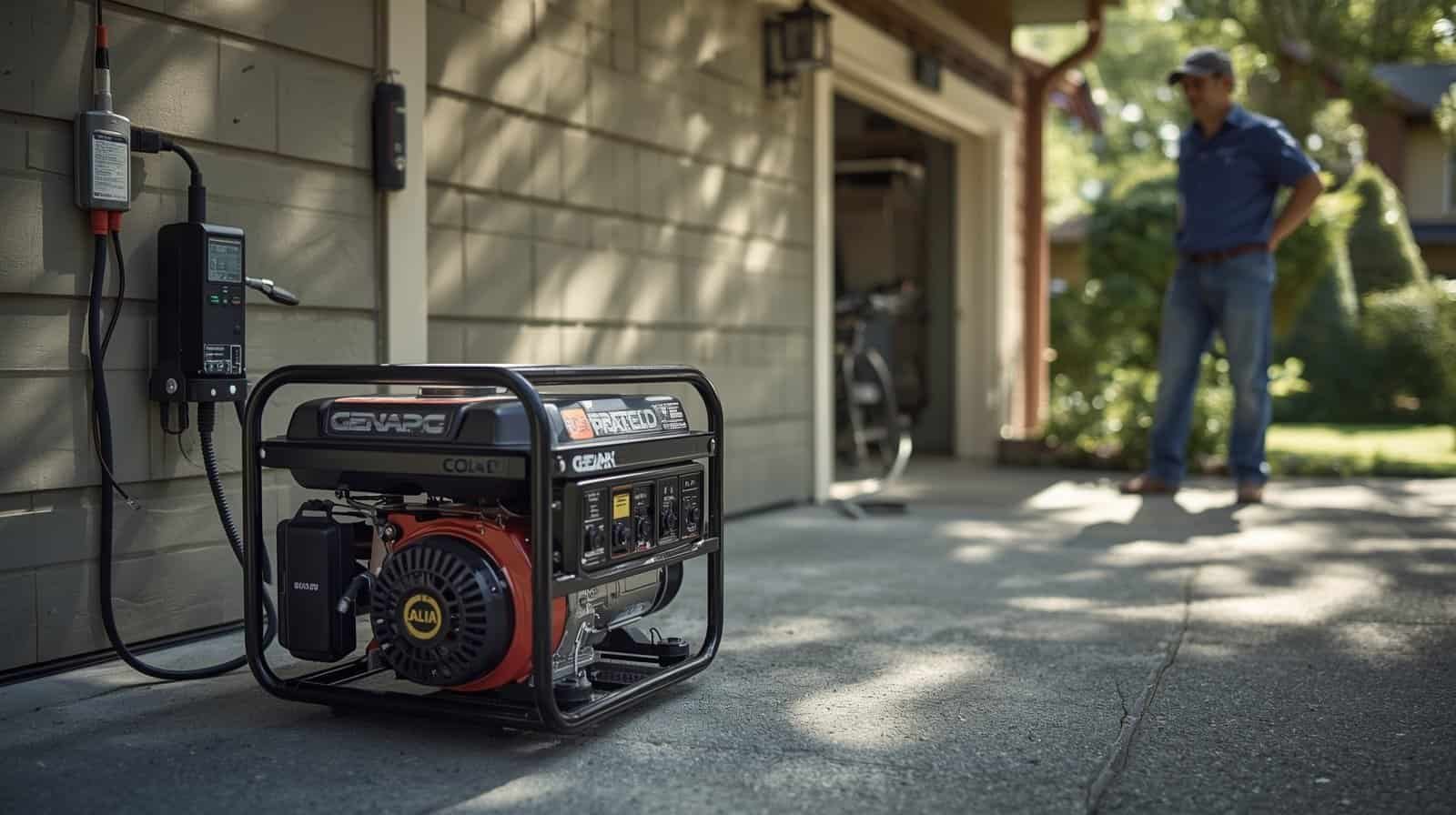
It can be confusing when a generator starts and runs smoothly, yet none of the connected outlets deliver electricity. In this situation, the engine itself is operating correctly, but the electrical system that produces usable power is not. This guide explains why generators can run without producing power, what homeowners can safely check, and when it’s time to stop troubleshooting and seek professional service.
What “Runs but Produces No Power” Really Means
When a generator runs but produces no output, the problem is rarely fuel- or engine-related. Instead, the issue almost always involves the components that convert engine motion into electricity or deliver that electricity safely to outlets. Understanding this distinction helps prevent unnecessary repairs and unsafe testing.
Why a Generator Can Run Without Producing Power
Generators rely on several electrical components working together to convert engine motion into usable electricity. If any part of that chain is interrupted, the engine may continue running while output drops to zero.
Tripped circuit breakers or GFCI outlets
Most generators include built-in breakers that trip when overloaded or shorted. Some models also use GFCI outlets that shut off power to protect users. A running engine with tripped breakers is one of the most common and easiest-to-fix causes.
Faulty or disconnected output wiring
Loose internal wiring, damaged outlets, or extension cords with internal breaks can prevent power from reaching devices even when the generator itself is functioning.
Automatic voltage regulator (AVR) failure
The AVR controls voltage output. If it fails, the generator may run but produce no usable electricity. AVR issues typically require professional repair.
Loss of residual magnetism
Some generators require residual magnetism in the rotor to produce power. Long storage periods or improper shutdowns can cause this magnetism to fade, resulting in zero output even though the engine runs normally.
Safe Checks You Can Perform
Check all breakers and reset outlets
Turn off the generator, disconnect all loads, reset all onboard breakers and GFCI outlets, then restart and test again.
Test multiple outlets and cords
Plug a known working device directly into the generator using a different outlet and cord to rule out accessory failures.
Reduce electrical load
Overloading can trip protective systems. Restart the generator with no load, then reconnect devices one at a time while observing output.
When to Stop Troubleshooting
If basic checks do not restore output, continued operation can risk further damage. Internal electrical faults—such as AVR failure, damaged windings, or wiring issues—should be addressed by a qualified technician.
Still stuck? If the generator is running normally but your home isn’t getting power, this visual flowchart shows the exact safe connection path—from generator to inlet box to transfer equipment to panel—and where that path most commonly breaks: Generator Runs but House Has No Power — Safety Setup Flowchart.
Preventing Power Output Problems
Regular maintenance, proper storage, and periodic testing help prevent no-output issues. Understanding safe runtime limits also reduces electrical stress on internal components. Learn more in our guide on how long a generator can run safely.
If your generator will not start at all, review our guide on what to do when a generator won’t start. If it starts but shuts down shortly after, see why a generator keeps shutting off.
A generator that runs without producing power is often signaling an electrical issue rather than an engine failure. Performing safe checks—and knowing when to stop—helps protect your equipment, your home, and your safety.