


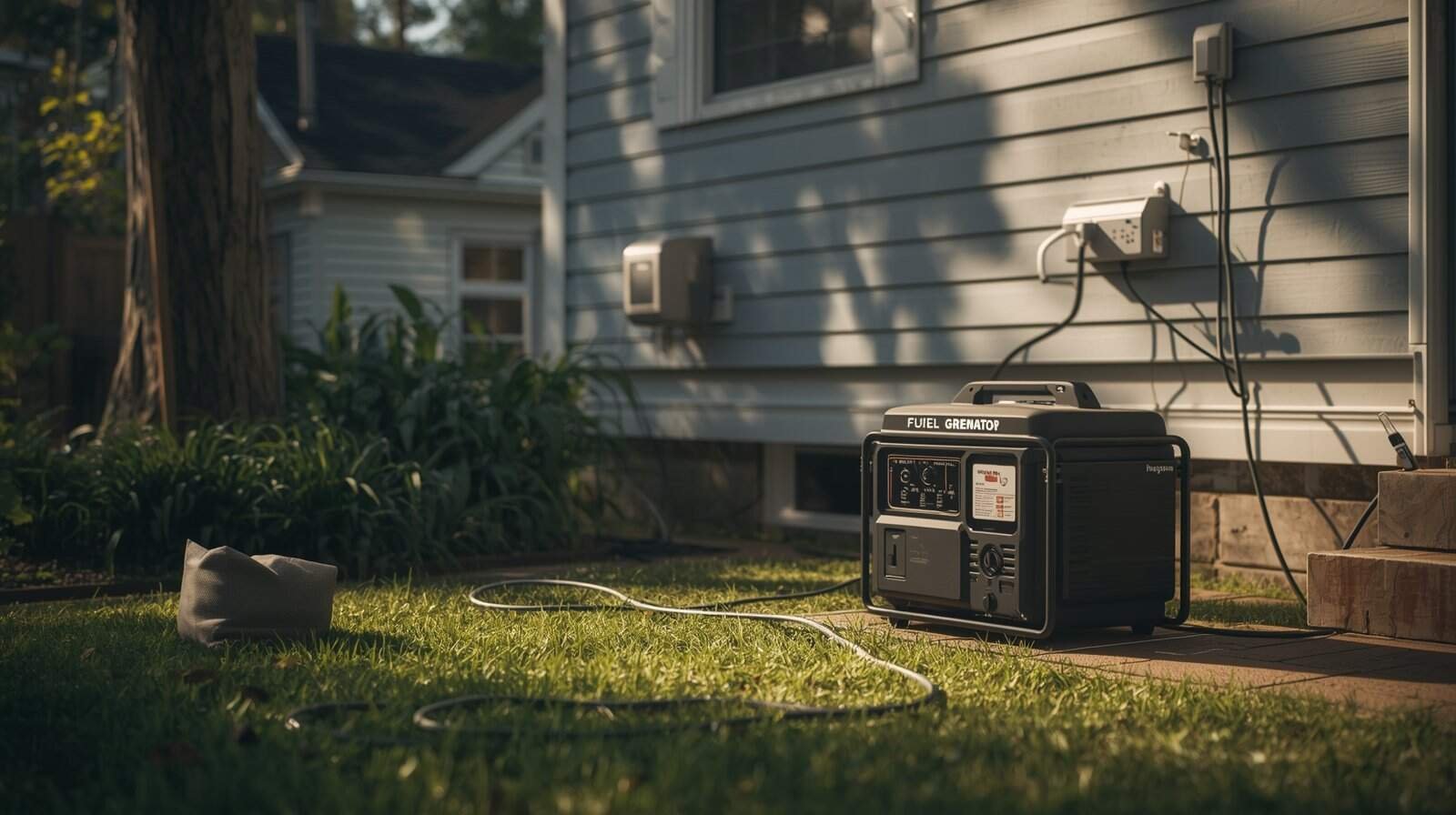
Generator surging power is a frustrating and potentially damaging problem. Lights may brighten and dim repeatedly, appliances may cycle on and off, and sensitive electronics can shut down or fail. Surging indicates that your generator is struggling to maintain stable voltage and engine speed under changing load conditions.
Understanding why generator surging happens, what risks it creates, and which troubleshooting steps are safe for homeowners helps prevent equipment damage and restores reliable backup power during outages.
What Generator Surging Looks Like in Real Use
Surging is not always obvious at first. In many cases, the generator continues running, but electrical output fluctuates in cycles. Common signs include:
- Lights that brighten and dim repeatedly
- Appliances that start, stop, or reset unexpectedly
- Motors that sound like they are revving up and down
- Electronic devices shutting off to protect themselves
These symptoms indicate unstable voltage or frequency, both of which can stress connected equipment.
Why Generators Surge Power
Generator surging almost always traces back to an imbalance between engine speed, fuel delivery, and electrical load. Several conditions can cause this instability.
Load fluctuations
Generators are designed to maintain a steady engine speed while responding to electrical demand. When loads turn on and off rapidly, the engine governor may overcorrect, creating a surge cycle.
Carburetor or fuel delivery problems
Dirty carburetors, clogged jets, stale fuel, or partially blocked fuel lines can prevent the engine from receiving consistent fuel. As fuel delivery fluctuates, engine speed rises and falls, causing power surging.
Governor sensitivity or wear
The governor controls engine speed under load. If it is out of adjustment or worn, it may respond too aggressively or too slowly, resulting in oscillating output.
Oversized or mismatched loads
High-wattage devices with cycling motors, such as refrigerators or pumps, can repeatedly push the generator near its capacity limit. This causes constant correction and unstable output.
Electrical faults or failing components
Voltage regulators, brushes, or windings that are beginning to fail can introduce instability. In these cases, surging may worsen over time.
Why Generator Surging Is a Problem
Surging power is more than an annoyance. It creates real risks for both your generator and the devices connected to it.
Generator surging power is a warning sign that should not be ignored. Addressing fuel quality, load balance, and maintenance issues early protects your equipment and ensures stable backup power when you need it most.