


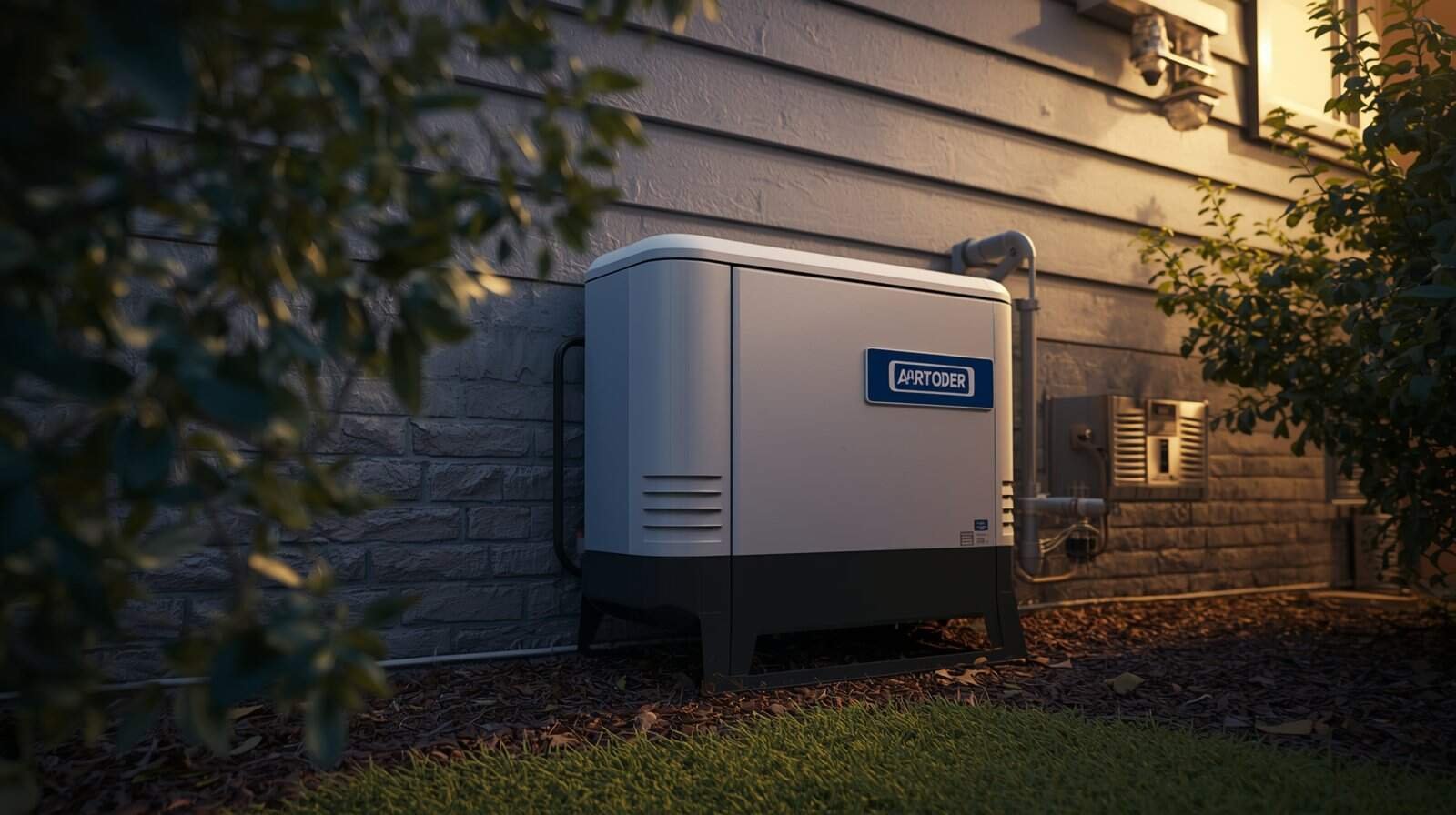
When homeowners prepare to use a portable generator for backup power, one component is often overlooked: the generator inlet box. While it may appear to be a simple exterior connection point, the inlet box plays a critical role in safety, convenience, and code compliance.
This article explains what a generator inlet box does, how it works with transfer equipment, and why it matters for safe generator use.
What Is a Generator Inlet Box?
A generator inlet box is a weatherproof electrical connector mounted on the exterior of a home. It allows a portable generator to supply power to the house through a fixed connection rather than running extension cords through doors or windows.
The inlet box connects directly to the home’s electrical system, typically through a transfer switch or interlock kit, ensuring power flows safely and correctly.
Why Generator Inlet Boxes Improve Safety
Using extension cords to power appliances increases risks of overload, tripping hazards, and weather exposure. Inlet boxes provide a single, secure connection point designed to handle generator loads.
They also reduce the temptation to use unsafe backfeeding methods, which can create serious hazards for utility workers and homeowners.
How Inlet Boxes Work with Transfer Equipment
An inlet box does not operate alone. It works in conjunction with a transfer switch or interlock kit that isolates the home from the utility grid.
Understanding this relationship is important when planning generator connections. For broader context, see transfer switch vs interlock kit and automatic vs manual transfer switch.
Installation Location and Placement Considerations
Inlet boxes are usually installed on an exterior wall near the electrical panel. Placement must allow safe generator positioning outdoors while keeping the connection protected from weather.
Professional installation helps ensure proper grounding, weatherproofing, and code compliance.
An inlet box is only one part of the power path. If your generator runs but your home stays dark, this visual flowchart shows the full safe connection sequence from inlet box to panel: Generator Runs but House Has No Power — Safety Setup Flowchart.
Common Misconceptions About Inlet Boxes
An inlet box does not automatically make generator use safe. It is one component in a system that includes proper switching equipment, generator placement, and operating practices.
Carbon monoxide safety remains critical, even with correct electrical connections.
Even with a properly installed inlet box, generators still produce exhaust gases that can enter the home if placed incorrectly. Electrical connections do not reduce carbon monoxide risk. Learn more in generator carbon monoxide safety.
When an Inlet Box Makes Sense
Homes using portable generators with transfer switches or interlock kits benefit most from inlet boxes. They simplify setup during outages and reduce exposure to electrical hazards.
Conclusion
Generator inlet boxes are a small but essential part of safe backup power setups. Understanding their role helps homeowners build systems that are safer, cleaner, and easier to use during outages.