


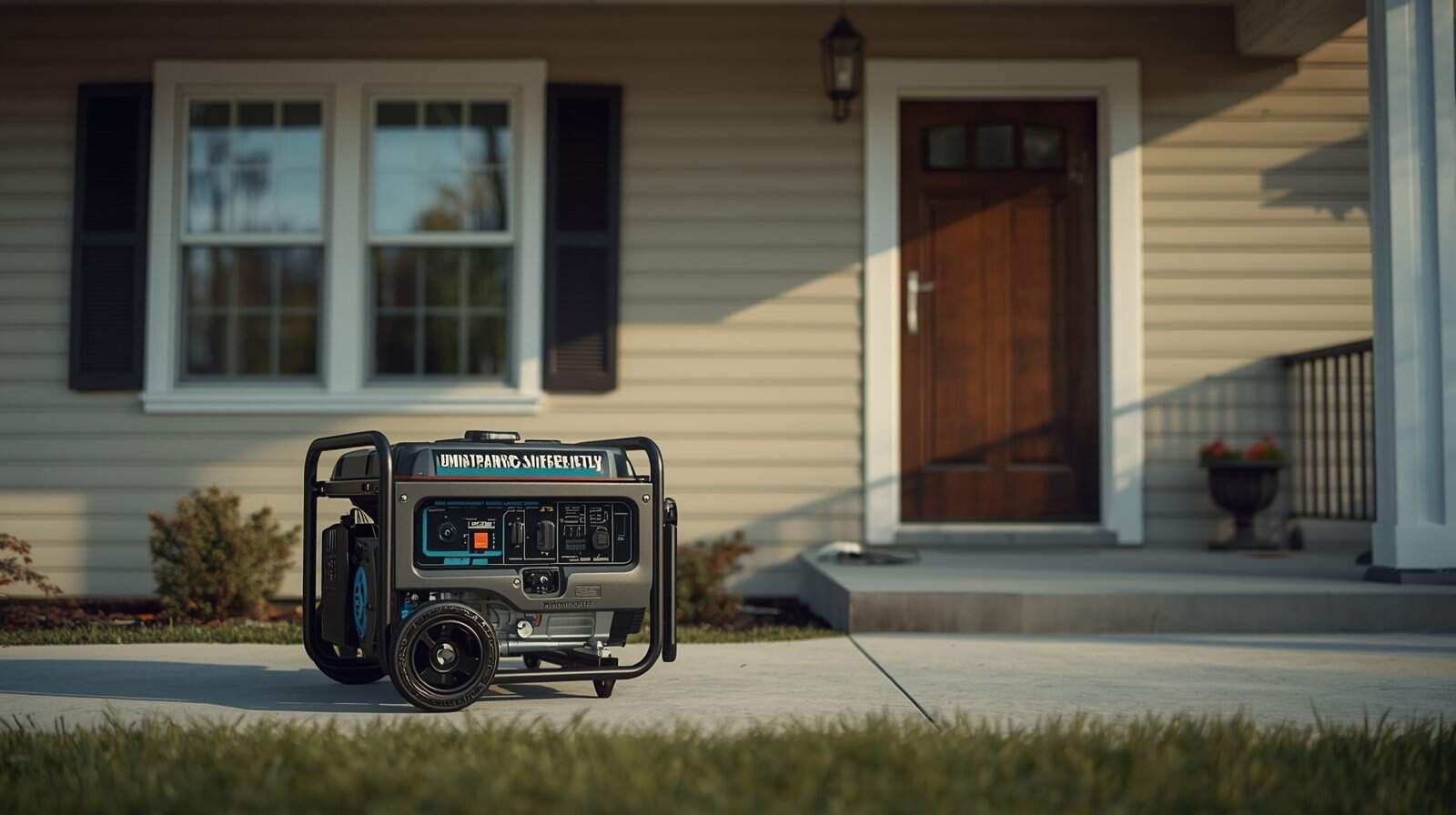
Short answer: Generators produce carbon monoxide every time they run. The safest way to prevent poisoning is strict outdoor placement (with distance), good airflow, and working CO detectors inside the home. Never run a generator in a garage, porch, shed, or any partially enclosed area — even with doors open.
Portable generators are powerful tools during outages — but they also create one of the most serious and misunderstood safety risks homeowners face: carbon monoxide (CO) poisoning. Each year, improper generator placement leads to preventable injuries and fatalities.
Understanding how carbon monoxide forms, how it enters homes, and how to prevent exposure is essential for anyone operating a generator.
What Is Carbon Monoxide and Why Is It So Dangerous?
Carbon monoxide (CO) is a colorless, odorless gas produced whenever fuel burns. Gasoline, propane, and diesel generators all emit carbon monoxide during operation.
CO becomes dangerous when it accumulates in enclosed or semi-enclosed areas. Because it cannot be seen or smelled, exposure often happens without warning. Carbon monoxide displaces oxygen in the bloodstream, leading to dizziness, confusion, unconsciousness, and potentially death.
How Generators Create Carbon Monoxide Hazards
Even properly functioning generators emit large amounts of carbon monoxide. The hazard is not malfunction — it is proximity.
Exhaust gases can accumulate near doors, windows, soffit vents, crawlspace vents, and attached garages. Wind patterns can push exhaust back toward the structure. Storm conditions can reduce natural ventilation, increasing accumulation risk.
Generators do not need to be inside a home to create danger. Exhaust can enter from surprisingly far away under certain conditions — especially if the generator is placed in a corner, near a doorway, or in a partially sheltered area.
Safe Generator Placement Guidelines
Generators must always operate outdoors and at a safe distance from the home. Never operate a generator in:
- Garages (even with the door open)
- Basements or crawl spaces
- Enclosed patios or screened porches
- Near open windows, doors, or vents
Safe distance matters. Placement guidance is explained in detail in How Far Should a Generator Be From the House?.
Rain is one of the most common reasons people move generators too close to the home “just temporarily.” If wet weather is a factor, review Can You Run a Generator in the Rain? Yes — But Only If You Do This to avoid the most common storm-placement mistakes.
Electrical Safety Does Not Reduce CO Risk
Transfer switches, inlet boxes, interlock kits, and extension cords improve electrical safety — but they do nothing to reduce exhaust risk.
Electrical connection method and carbon monoxide safety are separate concerns. A perfectly wired generator setup can still be deadly if placement is wrong.
If you are powering your home rather than a few isolated appliances, review Generator Inlet Boxes Explained to understand safe electrical integration — while remembering that placement rules still apply.
Carbon Monoxide Detectors Are Non-Negotiable
CO detectors provide critical early warning when carbon monoxide levels rise. Homes using generators should have functioning detectors installed on every level and near sleeping areas.
Placement details and common mistakes are covered in Carbon Monoxide Detectors During Power Outages.
Detectors should be tested before storm season and after battery changes. Never disable or silence an alarm without investigating the cause.
Common Generator Carbon Monoxide Mistakes
- Running generators too close to the home
- Operating generators inside garages during rain
- Assuming open windows provide safe ventilation
- Placing generators near HVAC intake vents
- Ignoring wind direction during storms
Most CO incidents occur because placement felt “close enough” or “temporarily safe.” Carbon monoxide does not respect convenience.
When to Leave Immediately
If anyone in the home experiences headache, dizziness, nausea, confusion, or unusual fatigue during generator operation, leave the structure immediately and move to fresh air. Call emergency services if symptoms persist.
Do not re-enter the home until it has been ventilated and the generator placement has been corrected.
Frequently Asked Questions
Is it safe to run a generator in a garage with the door open?
No. A garage is still a partially enclosed space. Carbon monoxide can build quickly and enter the home through shared walls, doors, and attic pathways.
How far should a generator be from the house?
Use at least 20 feet of distance as a minimum guideline, and keep exhaust directed away from openings. More distance is safer when space allows.
Do I still need CO detectors if the generator is outside?
Yes. Outdoor placement reduces risk, but wind and building airflow can still bring exhaust toward the home. Detectors provide the early warning your senses cannot.
Why do CO incidents increase during storms?
Storms push people to “shelter” generators closer to the house, and wind-driven airflow can redirect exhaust. Reduced ventilation patterns can also make accumulation more likely.
Conclusion: Placement Is Life-Safety Critical
Carbon monoxide safety is not optional when using generators. Proper placement, awareness of airflow, and functioning CO detectors protect lives.
Backup power should increase resilience — not introduce invisible risk. Always prioritize placement over convenience.