


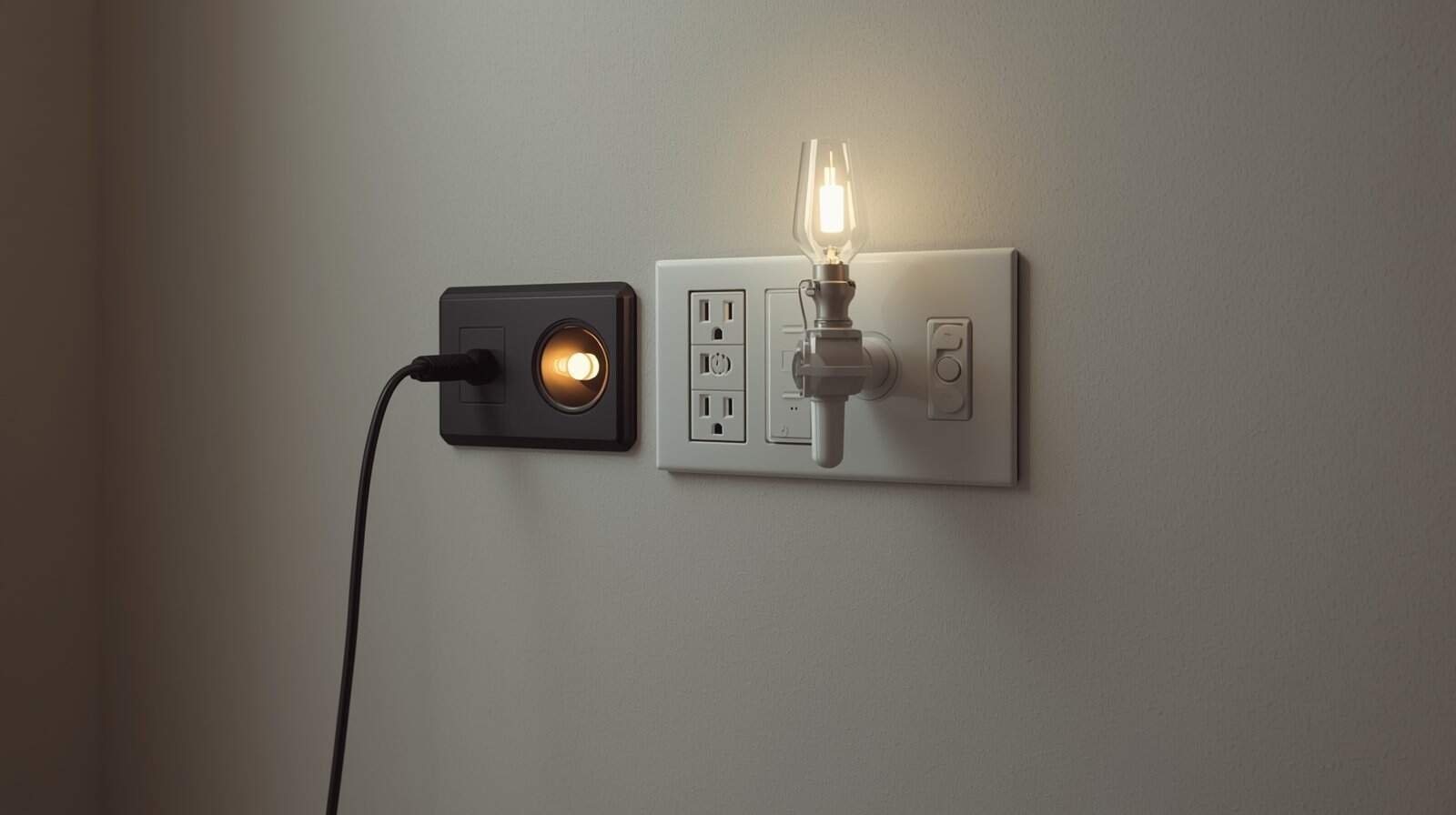
When some outlets work after a power outage while others remain dead or behave inconsistently, it can feel confusing—and a little unsettling. Lights may turn on in one room, while outlets in another stay unresponsive, even though the breaker panel looks normal.
This pattern usually points to a localized electrical issue inside the home rather than a utility-wide problem. Understanding what partial outlet power means helps homeowners avoid unsafe assumptions and decide when professional evaluation is needed.
This article focuses on partial power conditions within the home. It does not address complete outages or utility-side failures, but instead explains what selective outlet operation typically signals after power is restored.
Why Partial Outlet Power Is Common After Outages
Power outages and restoration events place sudden stress on electrical systems. Protective devices may trip, weak connections may shift, and moisture exposure can create new fault conditions.
When electricity returns, some circuits may energize normally while others remain interrupted. This uneven response is especially common in homes with multiple branch circuits, older wiring, or widespread GFCI protection.
GFCI Outlets as a Common Cause
One of the most frequent explanations for “dead” outlets after an outage is a tripped GFCI. Many GFCI outlets protect additional receptacles downstream, sometimes in different rooms.
If the upstream GFCI trips, all protected outlets lose power—even though the breaker remains on. This can make it seem like only certain outlets failed, when in reality they are intentionally shut off for safety.
Steps for recognizing and addressing this situation are explained in GFCI won’t reset, which covers both reset behavior and downstream effects.
Breaker and Circuit-Level Issues
In some cases, the issue sits at the breaker or circuit level rather than the outlet itself. Breakers can partially trip or fail to re-seat properly after an outage, leading to inconsistent power delivery.
Affected circuits may supply some outlets while others receive no power or unstable voltage. This behavior is different from whole-home or half-home power loss scenarios.
Conditions involving larger portions of the electrical system are covered in half the house has power, which explores broader panel-level causes.
Loose Connections and Hidden Junctions
Outages can expose weak wiring connections that previously worked under steady conditions. Loose splices, worn receptacles, or stressed junctions can interrupt power flow to specific outlets.
Because these connections are often hidden behind walls or inside boxes, the only visible symptom may be selective outlet failure. This is especially common in older homes or areas that experienced repeated outages or surges.
Why Partial Power Shouldn’t Be Ignored
It’s tempting to treat partial outlet loss as an inconvenience rather than a warning. However, inconsistent power can indicate resistance, arcing, or heat buildup inside wiring.
These risks increase if symptoms escalate or change over time.
Safety Concerns You Should Not Ignore
Stop troubleshooting and treat the situation as a safety issue if you notice:
- Warm outlet covers or wall plates
- Buzzing or humming sounds from outlets or switches
- Burning or plastic odors
- Outlets that work intermittently or change behavior under load
These signs suggest underlying electrical stress that should not be ignored or “worked around.”
When only some outlets work after power returns, this post-outage visual guide helps explain what partial power usually means and how to respond safely.
Knowing When to Call an Electrician
If outlet power does not return after basic checks, or if safety symptoms appear, professional evaluation is the safest next step.
Clear escalation guidance is provided in when to call an electrician after an outage, which helps define when homeowner troubleshooting should stop.
Conclusion
When some outlets work and others don’t after an outage, the cause is usually a tripped protective device, a stressed circuit, or a weakened connection—not random failure.
Careful observation and safe checks can clarify what’s happening, but when patterns remain unclear, professional inspection protects both your home and your safety.
When post-outage behavior gets confusing—some outlets live, others dead—this homeowner flowchart shows the most common patterns in one place.