


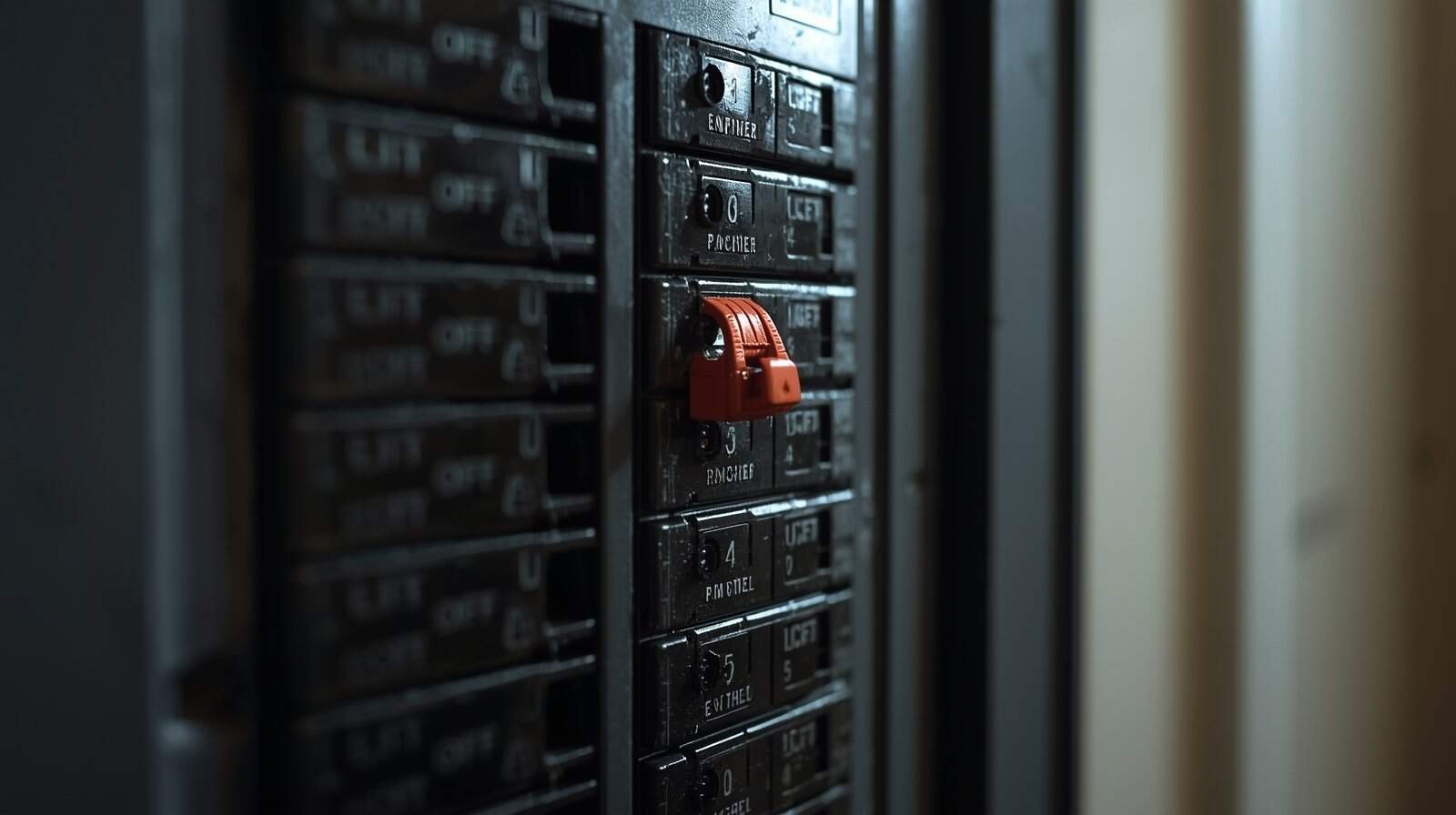
This guide focuses specifically on circuit breakers that trip immediately or shortly after power is restored following an outage, rather than breakers that fail during normal day-to-day use.
When utility power returns, electrical systems often experience brief surges, uneven voltage, or delayed appliance startup loads. In some cases, these temporary conditions can trip breakers even when no permanent wiring fault exists.
Understanding whether a trip is caused by short-lived post-restoration instability or a persistent electrical problem is key to determining the safest next steps.
Why Breakers Trip Immediately After Power Is Restored
Circuit breakers are designed to trip quickly when they detect unsafe conditions such as overloads, short circuits, or ground faults. After an outage, several factors can trigger these protections all at once.
Power restoration places sudden stress on wiring, outlets, and connected devices. Components that were already weakened by age, moisture, or prior surges may fail as soon as voltage returns.
Short Circuits Exposed After an Outage
Storm activity, fallen debris, or restoration surges can damage cords, outlets, and appliance components. These issues may not be visible until electricity flows again.
When power returns, a damaged component can create a direct short circuit, causing the breaker to trip instantly when reset.
This type of trip usually happens immediately and consistently, even after repeated reset attempts.
Ground Faults and Moisture Intrusion
Moisture intrusion is one of the most common post-outage causes of breaker trips. Rain, flooding, snow melt, or condensation can affect outdoor outlets, garage circuits, basement junctions, or extension cords.
When electricity encounters unintended grounding paths through moisture, breakers and GFCIs respond by cutting power.
Related outlet-level behavior is explained in GFCI won’t reset, which often overlaps with post-outage moisture conditions.
Overloaded Circuits After Restoration
When power returns, multiple appliances may attempt to restart simultaneously. Refrigerators, freezers, HVAC equipment, sump pumps, and well pumps are common contributors.
The combined startup surge can temporarily exceed circuit capacity, causing the breaker to trip even though the circuit handled normal loads before the outage.
These trips may resolve once loads are staggered or reduced—but repeated overload trips should not be ignored.
Connection Problems and Aging Wiring
Loose, corroded, or aging wiring connections may tolerate normal conditions but fail when exposed to restoration surges.
These issues can interrupt power to only part of a circuit, creating confusing symptoms where some outlets work while others do not.
Similar partial-power behavior is discussed in some outlets work but others don’t after an outage.
Safe Steps to Take Before Resetting Again
Before attempting another reset, pause and perform basic safety checks:
- Unplug all devices on the affected circuit
- Inspect outlets and cords for moisture, discoloration, or damage
- Allow damp areas time to dry before restoring power
If the breaker trips again immediately with all loads disconnected, continued resets may increase risk.
When Immediate Professional Help Is Needed
If a breaker trips instantly even with loads removed—or if you notice burning smells, heat at outlets, buzzing sounds, or visible damage—professional evaluation is required.
These symptoms suggest conditions that cannot be resolved safely through homeowner troubleshooting.
If breakers trip or behave oddly after an outage, this visual safety guide shows how partial-power patterns fit into the bigger picture and when repeated resets become unsafe.
Clear escalation guidance is also provided in when to call an electrician after an outage.
Conclusion
A breaker that trips immediately after power is restored is not a nuisance—it is a protective response to an abnormal condition.
Identifying whether the cause is temporary load stress, moisture intrusion, or a persistent fault helps prevent damage and protects household safety.
Not sure whether this is a normal reset issue or a sign to stop troubleshooting? This visual decision flowchart helps you tell the difference.