


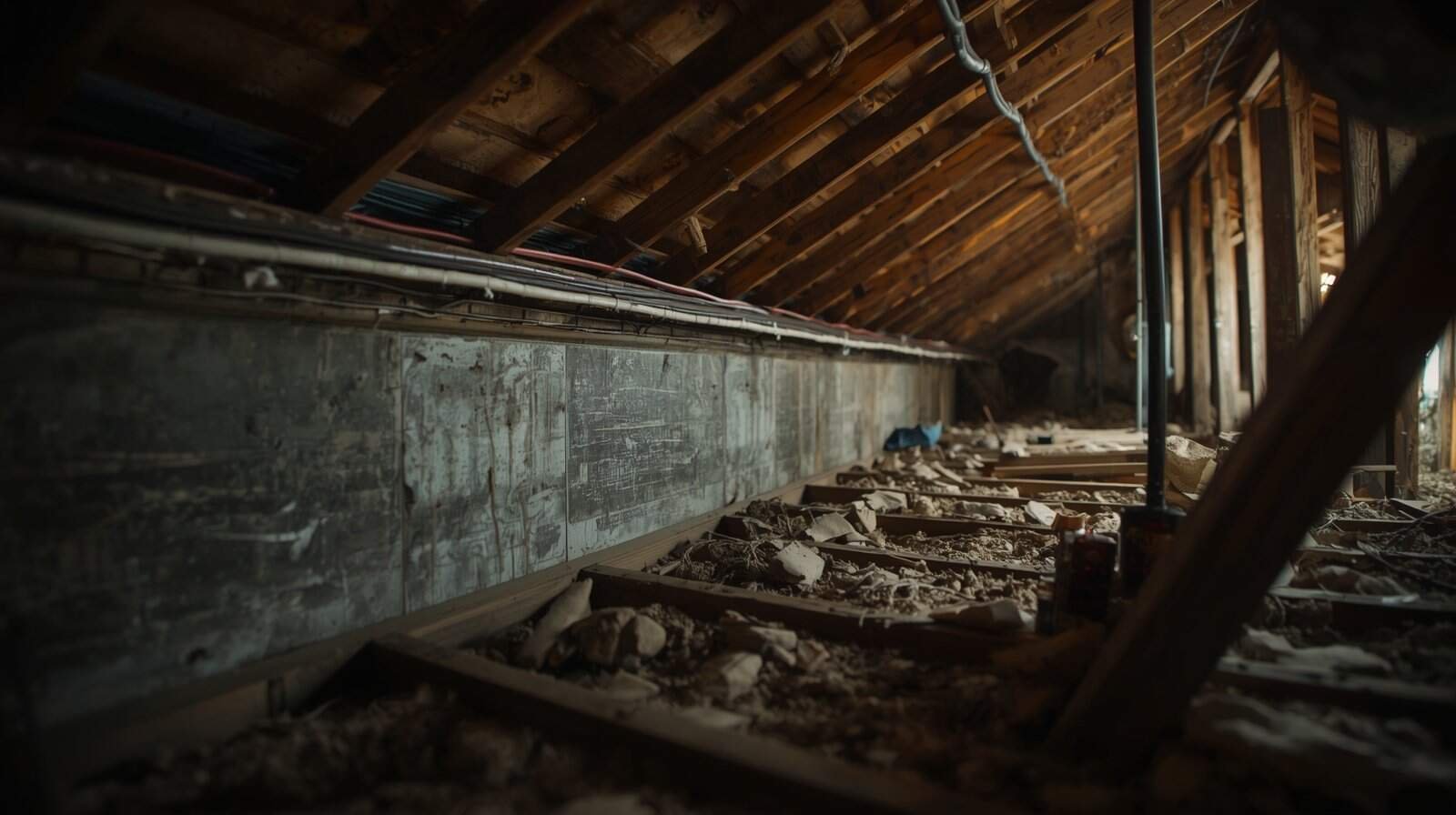
Short answer: Older home wiring is not automatically unsafe, but age, outdated design, and modern electrical demand can turn previously acceptable systems into real fire and shock risks. The biggest concerns are usually ungrounded older systems, aluminum wiring terminations, brittle insulation, hidden overheating, and circuits being asked to carry far more than they were originally designed for.
Homes built decades ago often contain wiring systems that were installed under very different assumptions about how electricity would be used. At the time, those systems may have been considered normal. The problem is that time changes materials, and modern households place much heavier and more constant demand on electrical circuits than many older homes were ever designed to handle.
This guide explains the most common older home wiring risks, why they become more serious over time, and the warning signs that should prompt a professional evaluation.
Why Older Wiring Systems Deserve Special Attention
Electrical systems installed many decades ago were built for a very different household load profile. Older homes often had fewer appliances, fewer electronics, fewer dedicated circuits, and much less demand from items like microwaves, window AC units, dehumidifiers, home office equipment, chargers, and kitchen appliances.
As demand increases, older wiring materials and connection points experience more heat, more expansion and contraction, and more chances for loose terminations or insulation breakdown. That does not mean every older home is unsafe. It does mean older systems deserve closer attention when electrical symptoms appear.
Older homes may also have a long history of repairs, additions, partial remodels, homeowner modifications, and undocumented electrical work. Sometimes the age of the original wiring is only part of the risk; the bigger concern is how many changes have been made since then.
Knob-and-Tube Wiring Risks
Knob-and-tube wiring was commonly installed in homes built before the 1940s. Some of these systems may still function, but they usually lack grounding and depend on very old insulating materials that can become brittle, cracked, or damaged over time.
Even if the system “still works,” that does not mean it is well suited to modern load demands. Problems become more likely when knob-and-tube circuits have been modified improperly, buried in insulation, or asked to serve devices that create more sustained current than the system was ever intended to carry.
The main risks are overheating, hidden insulation damage, lack of grounding, improper splices, and a much lower margin for safe modern use. Knob-and-tube wiring should be evaluated by a licensed electrician before adding heavy loads, new outlets, insulation, or backup-power connections.
Aluminum Wiring Hazards
Aluminum branch-circuit wiring was used in some homes during the 1960s and 1970s. Aluminum behaves differently than copper. It expands and contracts more with heating and cooling cycles, which can gradually loosen terminations over time.
When a connection loosens, resistance increases. That creates heat, and heat creates more expansion, more movement, and more risk of arcing. This is one reason aluminum wiring concerns are often really connection stability concerns rather than just “wire material” concerns.
That broader pattern is explained further in Loose Electrical Connections in the Home.
Aging Insulation and Material Breakdown
Even copper wiring can become unsafe if its insulation dries out, cracks, flakes, or becomes damaged by heat, pests, moisture, or age. Older insulation may no longer protect conductors the way it once did, especially in attics, basements, wall cavities, crawlspaces, or heavily used circuits.
Once insulation begins breaking down, the risk of arcing, shorting, and hidden overheating increases. This is one reason older wiring problems often stay invisible until a stronger clue appears, such as odor, flicker, warmth, buzzing, or scorch marks.
Insulation damage is also easy to underestimate because the visible outlet or switch may look normal while the problem exists behind the wall, above the ceiling, or inside an older junction box.
How Older Wiring Contributes to Hidden Electrical Problems
Older wiring systems are more vulnerable to hidden hazards because many problems develop gradually. A loose connection, weakened insulation point, or overloaded older circuit may operate “well enough” for a long time before obvious failure shows up.
That is why older wiring often contributes to issues like:
- Hidden in-wall overheating
- Intermittent flicker or unstable power behavior
- Warm outlets, warm switches, or warm wall areas
- Buzzing, humming, crackling, or burning odors
- Voltage imbalance symptoms affecting multiple devices
- Breakers that trip under loads the home used to handle
- Outlets that no longer hold plugs firmly
For the hidden heat side of the problem, see Overheated Wiring Inside Walls. If you are seeing lights brighten and dim, appliances behave unpredictably, or power act inconsistently across circuits, review Loose Neutral Wire Symptoms.
Why Modern Electrical Use Pushes Older Systems Harder
One of the biggest risks in older homes is not a single dramatic defect. It is the slow mismatch between yesterday’s wiring design and today’s electrical habits. Space heaters, air fryers, microwaves, hair tools, window AC units, gaming systems, chargers, dehumidifiers, and work-from-home equipment all add up.
A circuit that originally served a few lamps and one appliance may now be carrying frequent high-demand loads for hours at a time. That repeated stress increases heat and makes small weaknesses much more likely to become dangerous.
For a rough planning view of how common household devices compare by electrical load, the Circuit Load Calculator can help you estimate everyday demand. It should not be used to judge whether older wiring is safe, evaluate aluminum or knob-and-tube systems, or replace a licensed electrician’s inspection.
Backup Generator Use Adds Another Layer of Risk
Older homes deserve extra caution when backup generators, transfer switches, interlocks, inlet boxes, or generator cords are added. A generator connection can place unusual stress on selected circuits, especially if the home has older wiring, shared circuits, limited grounding, questionable panel work, or unknown modifications.
The generator itself may be working normally, but the home’s connection path still has to be safe. Outlet type, voltage, amperage, cord rating, transfer equipment, grounding, and neutral configuration all matter. If the generator outlet or plug arrangement is confusing, review Generator Outlet Types Explained before using adapters or changing cords.
Neutral bonding can also become confusing when portable generators connect to older homes through transfer equipment. A floating neutral generator and a bonded neutral generator are not automatically interchangeable in every setup. For a safer explanation, see Floating Neutral vs Bonded Neutral Generators.
Most importantly, never power an older home through a wall outlet, dryer outlet, homemade cord, or improvised adapter. That can create backfeeding and place utility workers, household wiring, and connected equipment at risk. If there is any uncertainty, review Backfeeding Symptoms Homeowners Miss and get qualified help.
Warning Signs That Warrant Professional Evaluation
In older homes, recurring or unexplained electrical symptoms deserve extra attention because age increases the odds that a hidden weakness is already developing into something more serious.
Warning signs include:
- Flickering or fluctuating lights
- Warm outlet plates, switches, plugs, or wall areas
- Intermittent burning, fishy, or hot-plastic odors
- Buzzing or crackling sounds from outlets, switches, or fixtures
- Multiple devices failing or behaving unpredictably
- Scorch marks, discoloration, melted plastic, or brittle outlet faces
- Repeated breaker trips or fuse issues
- Ungrounded outlets used with modern electronics or surge protectors
- Lights that brighten and dim across multiple rooms
- Any electrical symptom that appears or worsens when generator power is used
None of these automatically prove major wiring failure, but in an older home they should be taken seriously because the odds of hidden age-related weakness are higher.
When to Consider a Professional Inspection
If your home was built several decades ago, contains known older wiring materials, or has repeated unexplained electrical symptoms, a professional inspection can help identify risks that are not visible from the surface.
This is especially important if you have a combination of age plus symptoms, not just age alone. A licensed electrician can determine whether concerns involve outdated wiring types, weak terminations, hidden overheating, grounding problems, panel limitations, or system stress from modern use patterns.
For a clearer boundary on when aging wiring has crossed from “old” to “unsafe,” see When Home Wiring Turns Unsafe.
What Not to Do in an Older Home
Older wiring problems can be made worse by quick fixes that hide symptoms without correcting the cause. Avoid treating electrical warning signs as small inconveniences.
- Do not replace breakers with larger breakers to stop trips.
- Do not use power strips or extension cords as permanent wiring.
- Do not ignore warm outlets or plugs.
- Do not cover up knob-and-tube wiring with insulation unless the system has been evaluated.
- Do not install heavy loads on old circuits without checking capacity and condition.
- Do not use plug adapters to fake grounding.
- Do not connect a generator through unapproved outlets or homemade cords.
- Do not assume a circuit is safe just because it still works.
FAQ
Is older home wiring always unsafe?
No. Older wiring is not automatically unsafe, but age, hidden modifications, insulation breakdown, loose connections, lack of grounding, and modern electrical demand can increase risk. Symptoms matter.
What is the biggest electrical risk in older homes?
The biggest risks are often hidden connection and heat problems: loose terminations, brittle insulation, aluminum wiring issues, overloaded circuits, and wiring that has been modified over time.
Should I replace all wiring in an old house?
Not always. A licensed electrician can determine whether the home needs targeted repairs, grounding upgrades, panel work, aluminum wiring remediation, or full rewiring based on the system’s condition and symptoms.
Can I use a generator with older home wiring?
Possibly, but only through approved transfer equipment and a properly evaluated setup. Older homes should not be powered through dryer outlets, wall outlets, homemade cords, or improvised adapters.
When should I call an electrician for older wiring?
Call an electrician if you notice flicker, warm outlets, burning smells, buzzing, repeated breaker trips, visible damage, ungrounded outlets used for modern equipment, or any confusion around generator connection equipment.
Conclusion
Older wiring systems are not automatically dangerous, but time, wear, modifications, and modern electrical demand can turn small weaknesses into serious hazards. The biggest risks are usually hidden: loose terminations, aging insulation, overheated conductors, ungrounded circuits, and wiring that is being pushed harder than it was ever intended to be.
Understanding the materials in your home and taking warning signs seriously can prevent much larger problems later. In older homes, early attention to small electrical symptoms is one of the best ways to reduce fire risk and protect the system before visible damage appears. If generator power is part of your outage plan, make sure the connection method is approved, compatible, and professionally evaluated before relying on it.