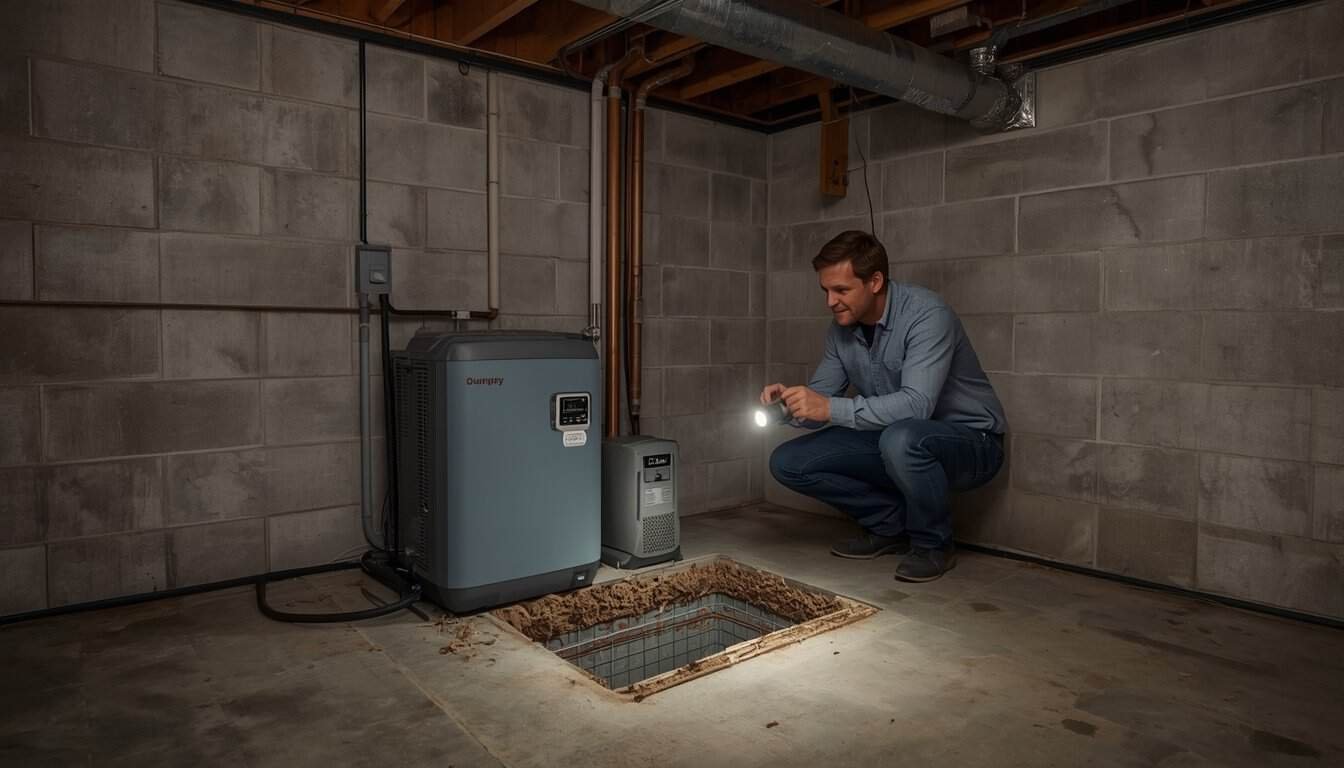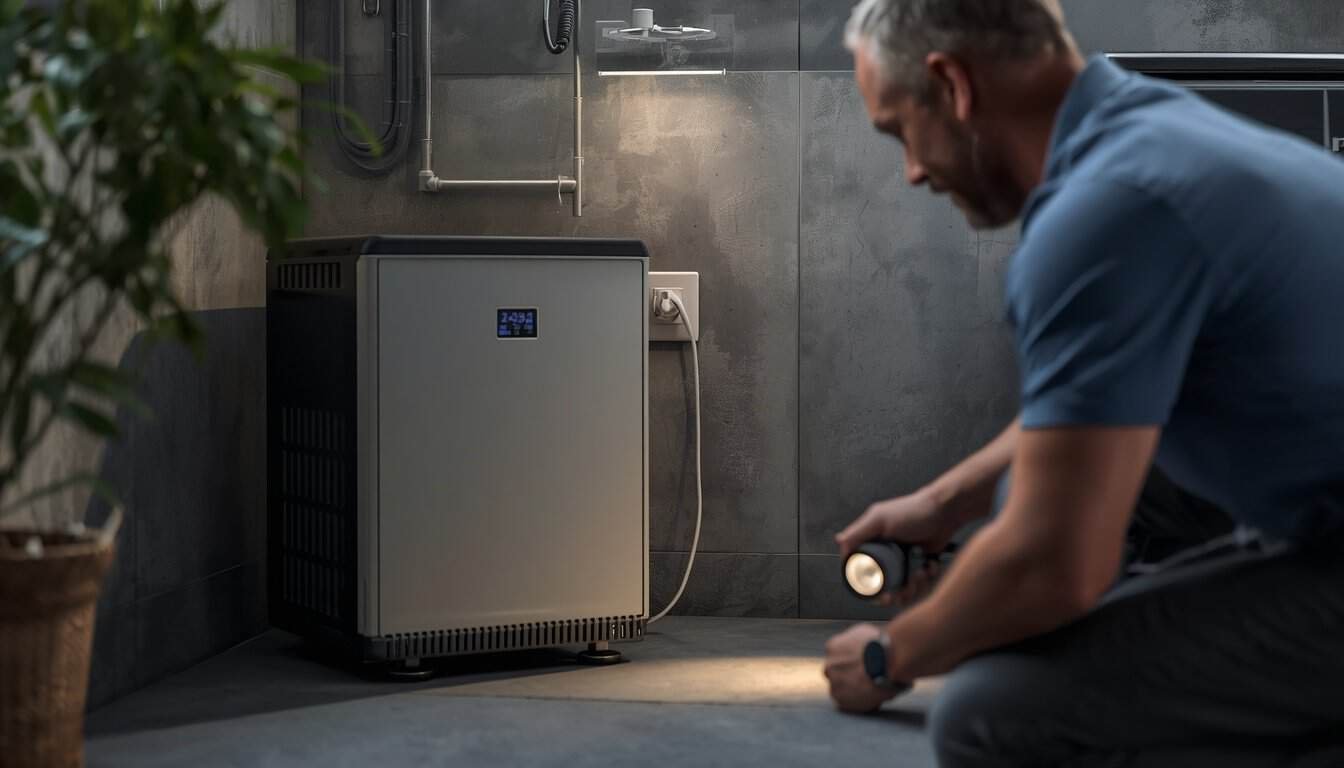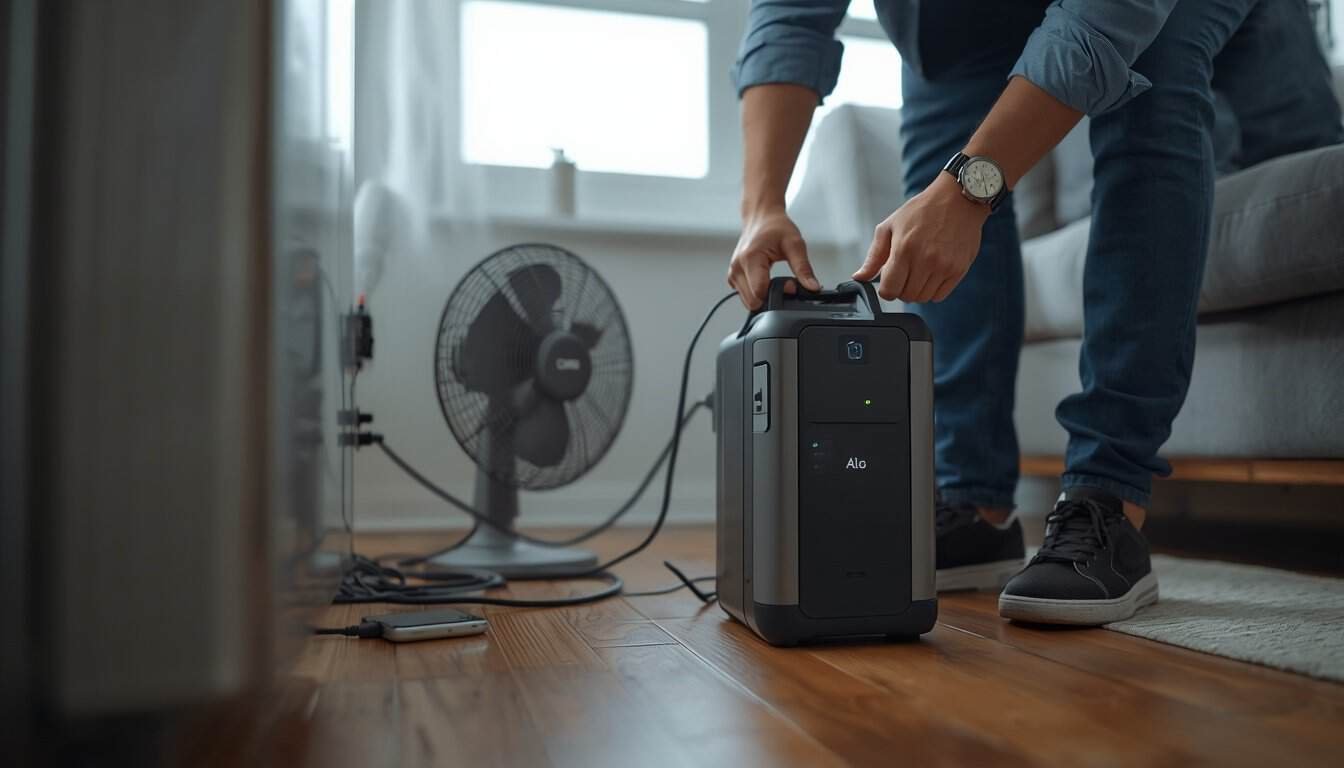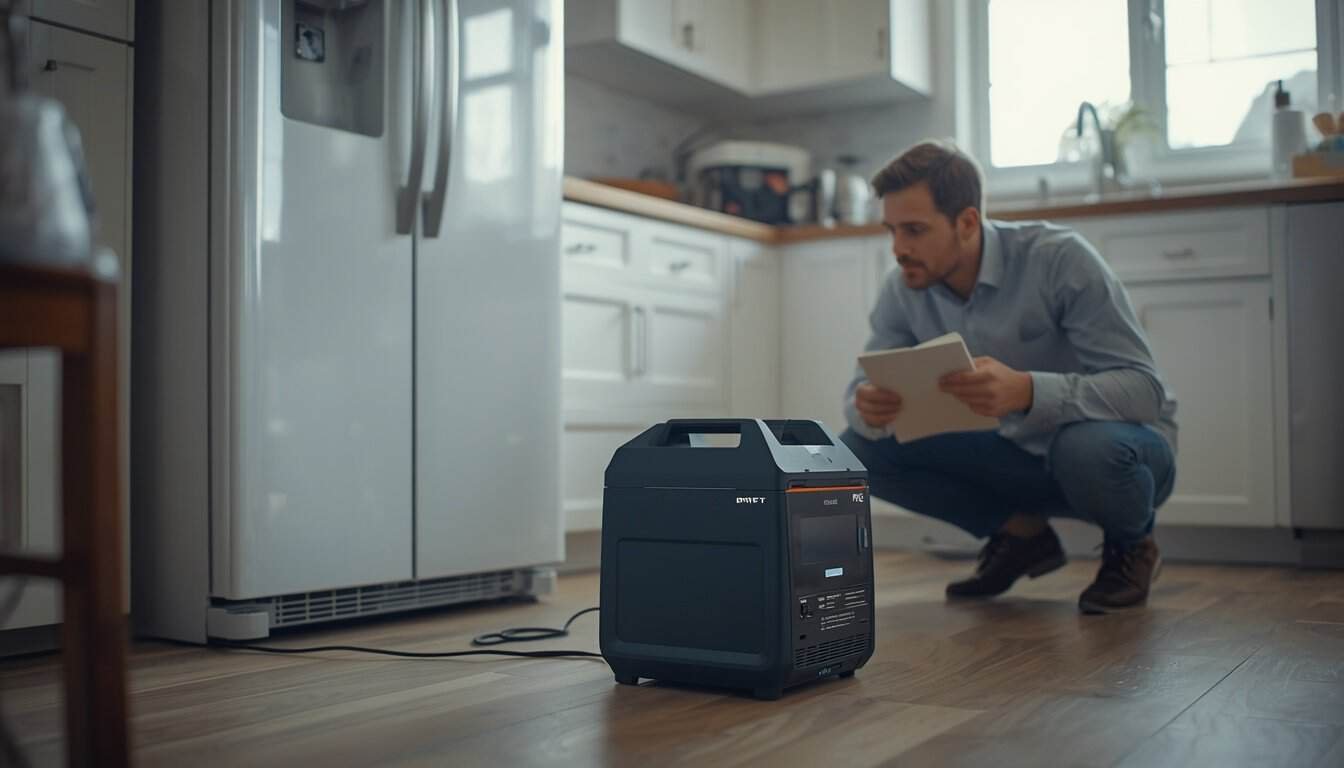

Power outages don’t always unfold smoothly. Equipment may not start, circuits may not behave as expected, or systems may fail during restoration. This guide helps homeowners understand how to troubleshoot common outage-related problems safely and methodically.
What outage troubleshooting means
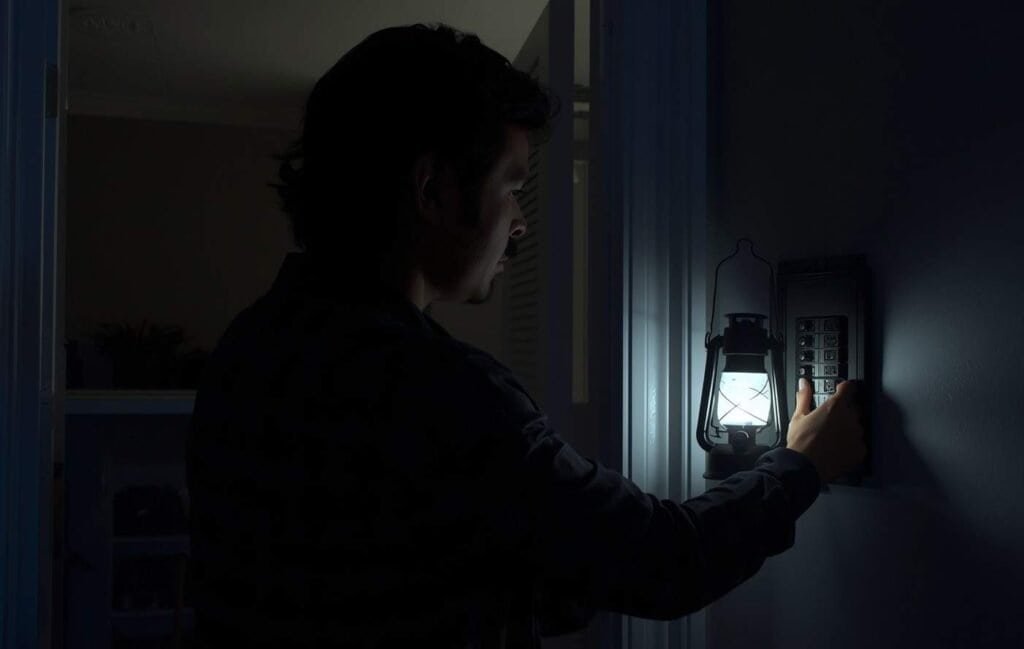
Outage troubleshooting focuses on identifying why power systems are not working as expected during or after an outage. This may involve backup power equipment, electrical panels, or household circuits.
The goal is to recognize common issues, avoid unsafe actions, and know when professional help is required.
Before you begin: safety first
Troubleshooting should always prioritize safety. During outages, electrical systems may behave unpredictably.
- Never attempt to modify wiring during an outage
- Avoid unsafe backfeeding methods
- Allow hot equipment to cool before inspection
- If you smell gas or burning, stop and seek professional help
Common outage troubleshooting categories
Most outage-related issues fall into a few broad categories:
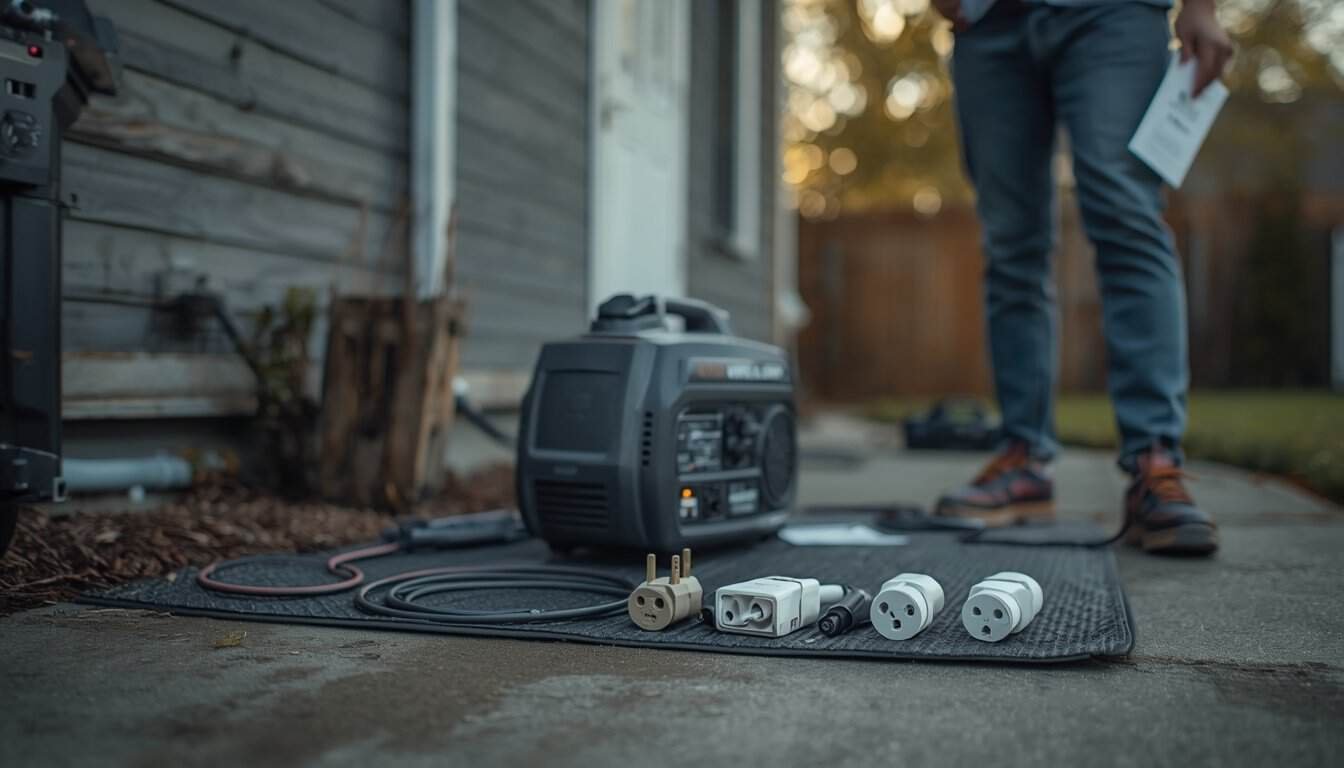
- Generator issues: equipment won’t start, stalls, or trips breakers
- Battery backup issues: unexpected shutdowns, limited runtime, charging failures
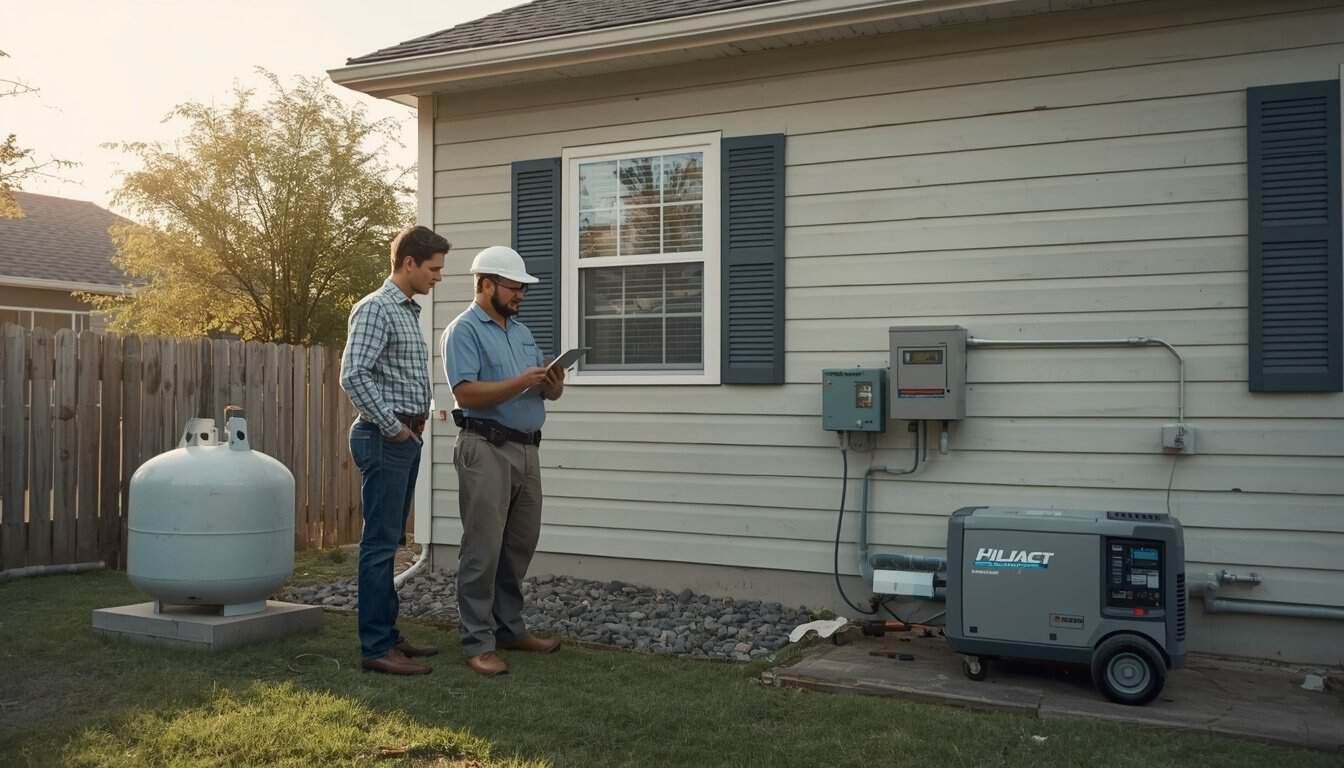
- Transfer equipment issues: circuits not energizing or switching properly
- Utility restoration issues: partial power, flickering lights, or delayed return to normal operation
Generator troubleshooting basics
When generators fail to perform as expected, common causes include fuel issues, overload conditions, or maintenance-related problems.
- Confirm fuel supply and condition
- Check oil levels and safety shutoffs
- Reduce load to see if performance stabilizes
- Inspect cords and connections for damage
Battery backup troubleshooting basics
Battery systems may shut down or underperform due to capacity limits, inverter overload, or charging interruptions.
- Review connected load versus rated output
- Check state-of-charge indicators
- Confirm charging sources are available and functioning
- Allow systems to reset if protection modes are triggered
Transfer switch and panel-related issues
Problems with transfer equipment can prevent power from reaching circuits even when backup systems are running.
- Confirm correct switch position (manual systems)
- Check labeled circuits against actual loads
- Look for tripped breakers or protective devices
- Avoid repeated switching if behavior is unclear
After power is restored
Some issues occur when utility power returns.
- Gradually reconnect loads to avoid surges
- Check sensitive electronics before use
- Inspect backup equipment for faults or warnings
- Document issues that occurred during the outage
When to stop troubleshooting
Homeowners should stop troubleshooting and seek professional help when issues involve:
- Repeated breaker trips
- Burning smells or visible damage
- Gas supply concerns
- Electrical panel abnormalities
Building a troubleshooting mindset
Effective troubleshooting is systematic rather than reactive. Keeping basic records of equipment models, capacities, and past issues can make future outages easier to manage.
Frequently asked questions
Should I reset everything during an outage?
No. Resetting equipment repeatedly can cause additional issues. Make changes deliberately and only when safe.
Is it normal for some circuits not to work?
Yes. Many backup systems are designed to power only selected circuits. This is normal and part of load management.
In-depth guides in this section
This troubleshooting pillar is supported by step-by-step articles that address common generator issues, battery backup behavior, transfer equipment problems, and restoration-related concerns. As new resources are published, they are organized under the Outage Troubleshooting categories so you can browse by system type and symptom.
When troubleshooting during an outage, make changes deliberately and prioritize safety. If a problem involves repeated breaker trips, burning smells, or visible damage, pause and seek professional help.
Where to go next
If you are troubleshooting outage-related issues, explore detailed PowerPrepGuide.com articles covering generator problems, battery system issues, transfer equipment behavior, and safe restoration practices.