


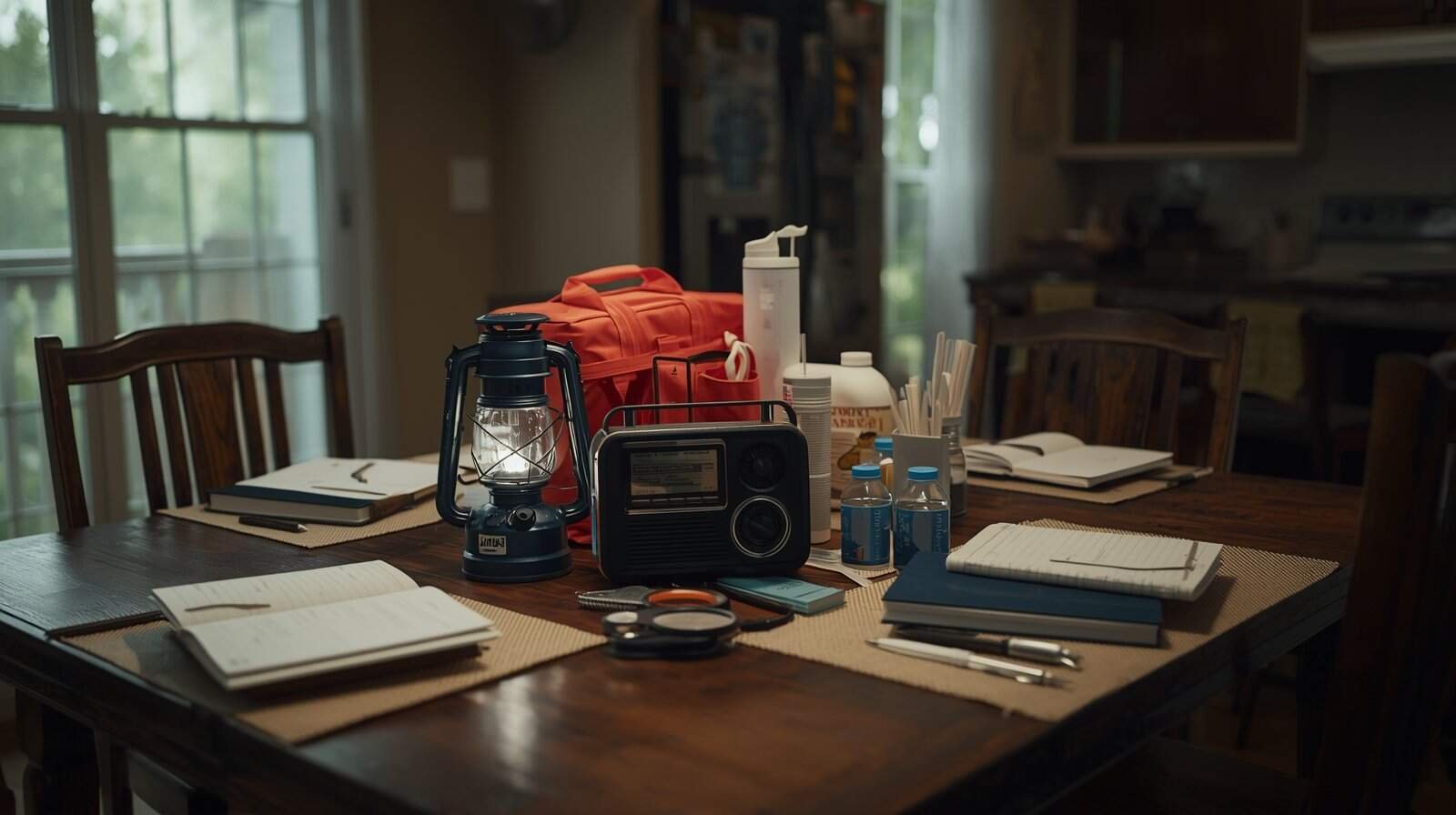
Most households associate outage preparation with flashlights and spare batteries. While lighting is important, it represents only a small part of effective supply planning. Extended outages affect food safety, communication, sanitation, medical needs, temperature control, and daily routines. A flashlight helps you see in the dark — it does not keep your household functional.
Supply planning works best when it mirrors real-life household behavior. Instead of asking, “What items should we buy?” the better question is, “What functions do we rely on every day that electricity quietly supports?” Once you answer that, supply gaps become obvious.
Why Supply Planning Must Mirror Real Household Needs
For a broader readiness framework, this article builds directly on Home Emergency Preparedness Basics, which outlines how households should approach outage planning before focusing on specific items.
Power outages often disrupt more than electricity. Water systems may rely on electric pumps. Refrigeration stops. Heating and cooling systems shut down. Wi-Fi routers and cable boxes lose power. Even garage doors may become unusable. When supply planning focuses only on lighting, these cascading disruptions are overlooked.
The most resilient households plan by category: visibility, food and water, communication, sanitation, temperature stability, and medical continuity. This structured approach prevents overbuying one category while neglecting another.
Lighting and Visibility: Planning for Function, Not Just Flashlights
Lighting planning should focus on how your home operates after sunset. Area lighting keeps shared rooms usable. Task lighting allows cooking, reading, or safe medication handling. Path lighting prevents falls in hallways and stairwells.
Redundancy is essential. Batteries fail, lanterns tip, and charging cables break. Multiple light sources reduce dependency on any single device.
- At least two area-lighting sources
- Dedicated task light for kitchen and medication use
- Flashlights in bedrooms
- Extra batteries stored together and labeled
- Safe placement to avoid fire risk
Candles may feel convenient but increase fire risk during outages, especially when households are fatigued. Battery-powered lighting is significantly safer for overnight use.
Food and Water: Planning Beyond Refrigeration
When power fails, refrigeration begins to warm immediately. Households must know how long food can remain safe, what should be prioritized first, and how meals will be prepared without electric appliances.
Equally important is water. Some homes lose water access during outages if pumps depend on electricity. Even when water flows, boiling advisories or contamination events may follow major storms.
- How many days of safe drinking water are available?
- What foods can be eaten without cooking?
- How will perishable food be prioritized?
- Is there a safe, outdoor cooking plan?
Planning these decisions before an outage prevents rushed improvisation, which often introduces fire or carbon monoxide risks.
Communication and Information Stability
Outages frequently disrupt internet and cellular networks. When that happens, households lose access to weather alerts, restoration timelines, and emergency updates. Information gaps increase anxiety and poor decision-making.
A battery-powered radio or backup charging method for mobile devices provides access to official updates. Keep charging cables consolidated in one location so devices can be rotated efficiently when power is limited.
Communication planning should also include a simple family contact plan in case members are separated when the outage begins.
Power Alternatives for Essential Needs
Some household functions require electricity even during outages: medical equipment, refrigeration for medication, sump pumps, or basic heating systems. Understanding safe power alternatives ahead of time reduces the temptation to improvise unsafely.
A practical comparison of portable power options is covered in Portable Power Station vs Generator. The key is not owning the most equipment — it is knowing the limits of whatever equipment you choose.
Overloading extension cords, running devices indoors that produce fumes, or stacking too many appliances onto temporary power sources increases risk rapidly. Safe operation discipline matters more than capacity.
Comfort, Temperature, and Sanitation Stability
Temperature control becomes a safety issue during both winter and summer outages. Cold exposure impairs judgment and mobility. Excess heat increases dehydration and medical stress. Planning should include layered clothing, safe heating alternatives, and a clear understanding of when relocation is the safer choice.
Sanitation is often overlooked. Without reliable hot water or dishwasher use, hygiene routines change. Plan for handwashing alternatives, waste disposal, and safe bathroom access if water service is interrupted.
Maintaining sanitation preserves morale and reduces illness during extended disruptions.
Organizing Supplies So They’re Actually Usable
Supplies are only helpful if they are accessible. During outages, people waste time searching through closets and drawers for items they know they purchased but cannot locate.
Store supplies in clearly labeled bins. Keep lighting together. Keep batteries together. Keep cooking items consolidated. Avoid scattering preparedness items throughout the home.
Periodic review prevents expired batteries, depleted water stores, and forgotten equipment. Common planning mistakes are discussed in Common Emergency Preparedness Mistakes.
If supply gaps force unsafe improvisation — such as indoor open flames, unsafe fuel storage, or neglecting sanitation — conditions are no longer stable. At that point, reassessing your ability to remain safely at home is appropriate.
Conclusion: Supply Planning Is Function Planning
Effective outage supply planning focuses on maintaining essential household functions, not simply accumulating gear. When lighting, food, water, communication, sanitation, and temperature needs are addressed systematically, resilience improves dramatically.
The goal is calm continuity — not crisis improvisation. Households that plan beyond flashlights and batteries reduce risk, maintain safety, and preserve comfort when power disruptions occur.