


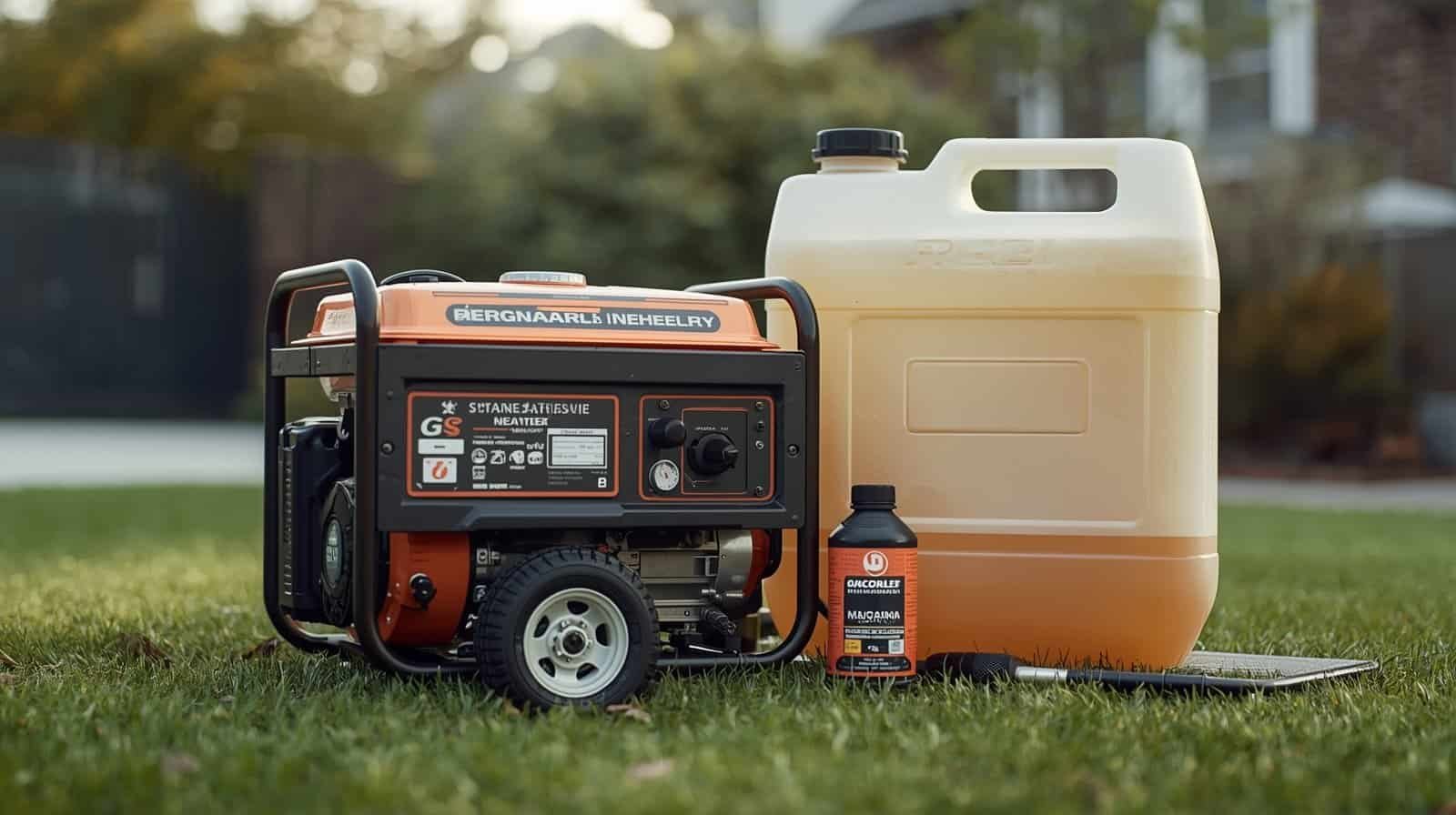
Fuel stabilizers are often marketed as a simple fix for generator fuel problems. While they can be helpful when used correctly, stabilizers are frequently misunderstood—and misused. Knowing what a stabilizer can and cannot do is critical for generator reliability.
What Generator Fuel Stabilizer Actually Does
Fuel stabilizers slow the oxidation process that causes gasoline to degrade over time. They help preserve fuel volatility and reduce the formation of gums and varnish during storage.
Stabilizers are most effective when added to fresh fuel before storage. They are not designed to reverse fuel breakdown that has already occurred.
When Fuel Stabilizer Helps
Fuel stabilizer works best for generators that are stored between outages or used seasonally. Adding stabilizer to fresh gasoline can extend usable fuel life and reduce carburetor deposits.
When paired with proper storage practices, stabilizer can reduce starting problems after long idle periods.
When Fuel Stabilizer Does Not Work
Stabilizer cannot fix stale or contaminated gasoline. Once fuel smells sour, appears cloudy, or has separated due to ethanol absorption, it should be drained and replaced.
If a generator is already running poorly, review bad gas symptoms in generators before assuming stabilizer will help.
Common Fuel Stabilizer Mistakes
One of the most common mistakes is adding stabilizer to old fuel and expecting it to restore performance. Another mistake is failing to circulate treated fuel through the carburetor before storage.
Overdosing stabilizer or mixing multiple additives can also cause problems, including residue buildup.
Best Practices for Using Fuel Stabilizer
Add stabilizer to fresh fuel at the recommended ratio, then run the generator briefly to ensure treated fuel reaches internal components. Always store fuel in approved containers in a cool, dry location.
For long-term storage guidance, review how to store a generator between uses and how to store generator fuel safely at home.
When to Consider Alternative Fuel Options
If fuel storage and stabilizer use remain problematic, propane or dual-fuel generators may offer fewer long-term storage concerns.
See gasoline vs propane storage risks to compare options.
Conclusion
Fuel stabilizers can be a valuable tool when used correctly—but they are not a cure-all. Understanding their limits and combining them with proper storage practices is the key to reliable generator performance.