


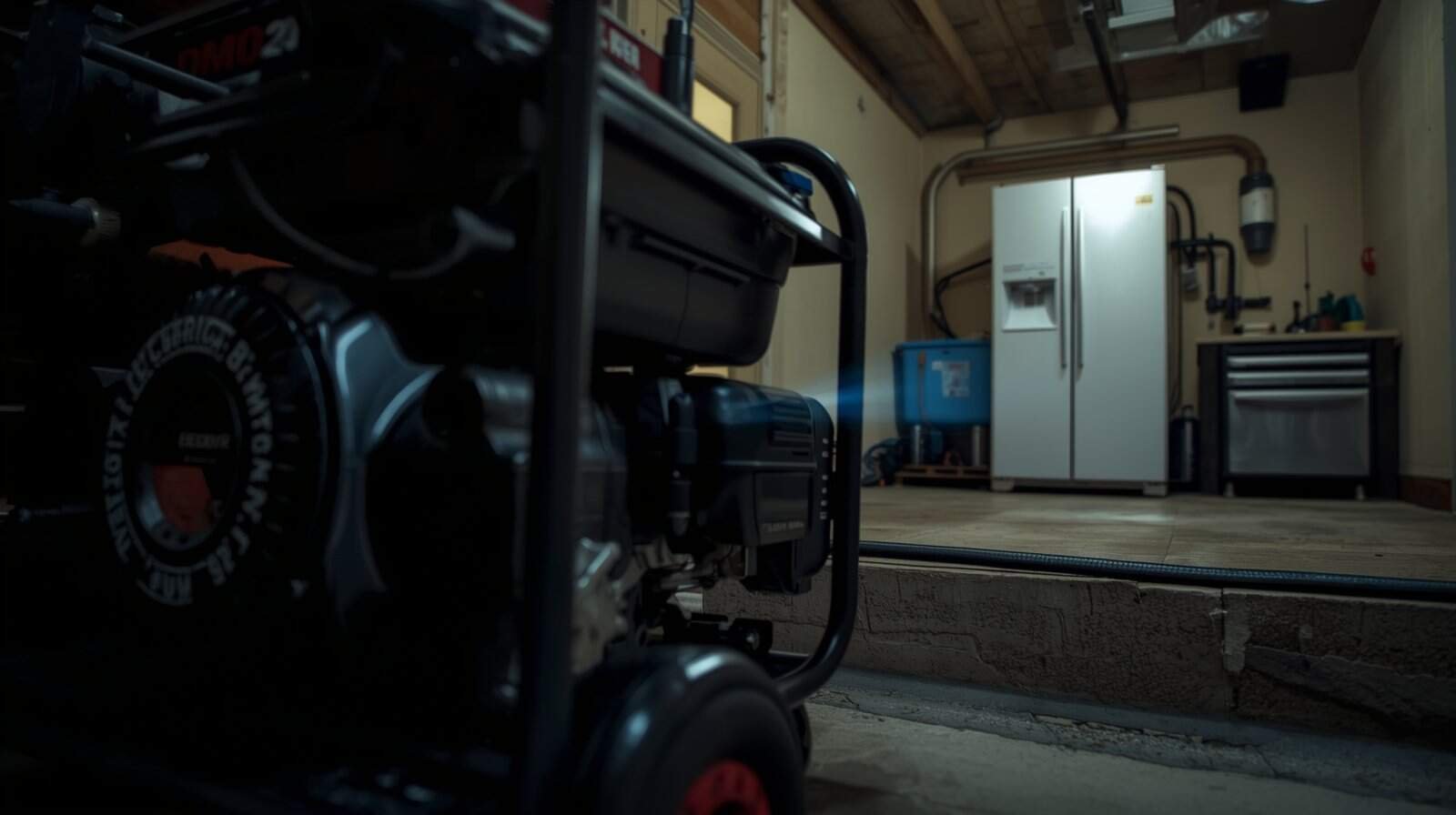
If your generator suddenly sounds louder, deeper, or labored when appliances turn on, that change in sound matters. Generators are designed to adjust to changing electrical demand, but audible strain often signals that the system is approaching—or exceeding—its comfortable operating limits.
Understanding what a strained generator sounds like, why it happens, and when it becomes a safety concern can help prevent equipment damage and unstable power during an outage.
What “Strained” Generator Sounds Usually Mean
A strained generator often produces a deeper engine tone, fluctuating RPMs, or a pulsing, uneven sound as electrical demand increases. These changes occur when the engine must work harder to maintain voltage and frequency.
Short, momentary sound changes when appliances cycle on or off are normal. Sustained strain, however, indicates ongoing stress that should not be ignored.
Quick visual check: If the generator strains when certain devices start, this guide explains what’s happening electrically and when it’s time to stop testing: Why a Generator Powers Some Devices but Not Others.
Electrical Load Exceeds Comfortable Capacity
When appliances start, many draw a brief but intense surge of power. If the combined load approaches the generator’s practical output limit, the engine must compensate aggressively to keep power stable.
This extra effort often becomes audible before more obvious symptoms appear. Strain is frequently the first warning sign that the generator is operating too close to its capacity.
Voltage Sag Creates Audible Engine Stress
If a generator cannot maintain voltage under load, the engine governor may continuously adjust speed in an attempt to compensate. These rapid adjustments create audible fluctuations that sound like laboring or surging.
This condition often precedes unstable power delivery and shutdown behavior. More detail on this problem is covered in generator produces power but voltage is too low or unstable.
Fuel and Airflow Limitations Under Load
As electrical demand increases, the engine requires additional fuel and airflow to maintain performance. Any restriction in fuel delivery, air intake, or combustion efficiency can prevent the engine from responding smoothly.
Clogged air filters, marginal fuel quality, cold-weather fuel behavior, or aging components can all contribute to strain under load. Related operating symptoms are explored in generator runs rough.
Why Ignoring Generator Strain Can Cause Damage
Operating a generator under sustained strain increases internal temperatures, accelerates wear, and places stress on both mechanical and electrical components.
Strained operation also increases the risk of voltage instability, which can damage sensitive electronics connected to the generator. In many cases, strain is an early warning that appears before shutdowns or permanent damage occur.
How This Differs From Immediate Shutdown Problems
A strained generator may continue running while signaling distress through sound and vibration. This differs from situations where generators shut down immediately when appliances turn on.
That scenario is addressed separately in generator starts but shuts down when appliances turn on, which focuses on protective shutdown behavior rather than audible stress.
When to Stop Testing and Get Professional Help
If strain persists, worsens, or is accompanied by flickering power, erratic appliance behavior, or frequent breaker trips, continued testing can increase risk.
At that point, escalation is the safest option. Clear guidance on when to stop troubleshooting is provided in when to call an electrician after an outage.
Conclusion
A generator that sounds strained under load is communicating a problem. While brief sound changes are normal, sustained strain usually signals capacity limits, voltage instability, or fuel-related stress.
Recognizing these sounds early helps protect both the generator and the equipment it powers, reducing the risk of sudden failure during an outage.