


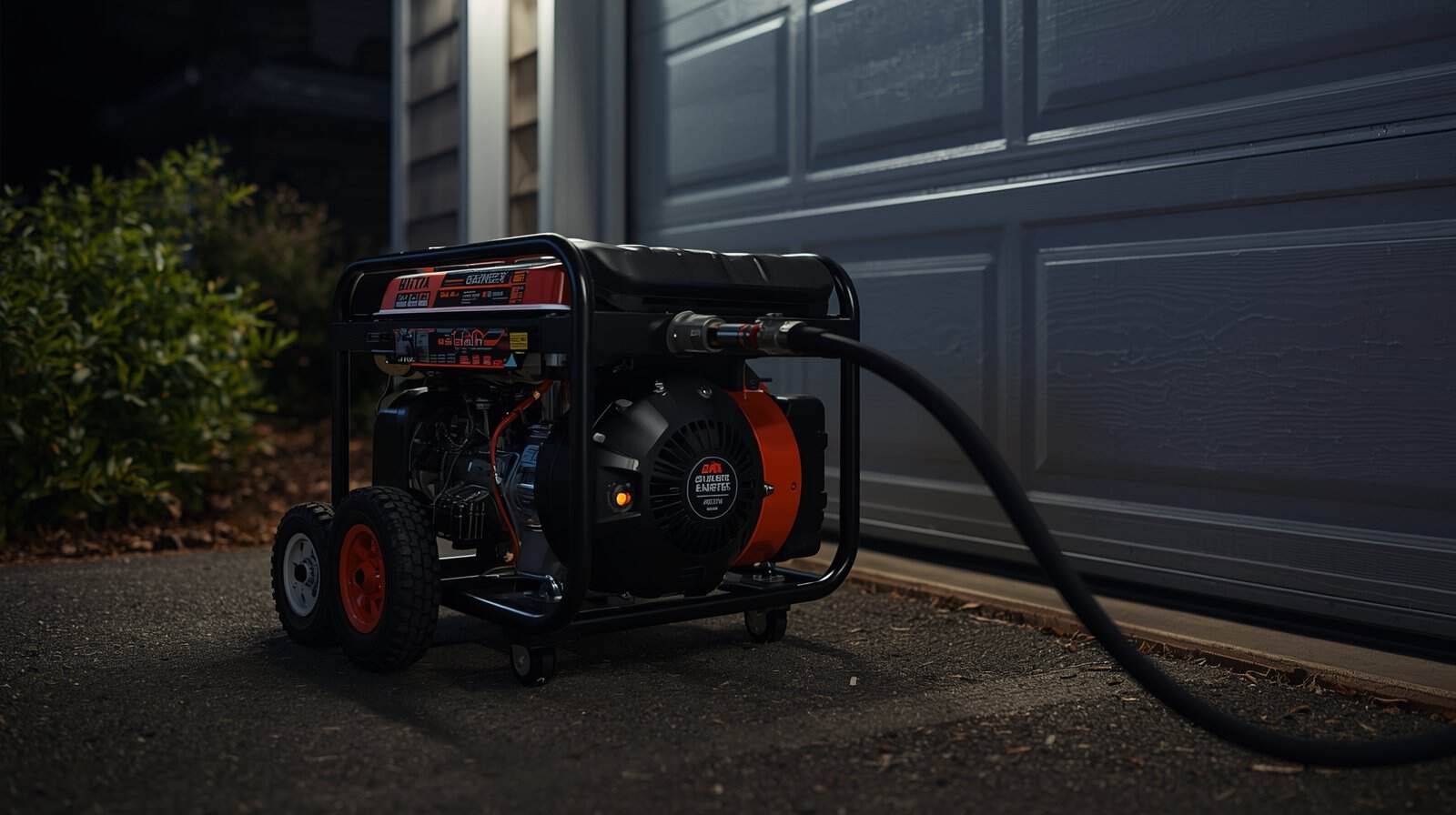
When a generator is running but frequency (measured in hertz, or Hz) is unstable, power problems can appear even if voltage seems acceptable. Appliances may behave erratically, motors may sound abnormal, and sensitive electronics may shut down unexpectedly.
Frequency instability is less visible than voltage issues, but it can be just as damaging. Understanding what causes fluctuating hertz output helps homeowners recognize risk before equipment is harmed.
What Unstable Generator Frequency Means
In North American homes, electrical systems are designed to operate at a steady 60 Hz. A generator must maintain that frequency consistently to deliver safe, usable power.
When frequency drifts higher or lower, it indicates that the generator engine speed is not being controlled precisely. Even small fluctuations can disrupt how appliances and electronics operate.
Engine Speed Fluctuations Drive Frequency Instability
Generator frequency is directly tied to engine speed. When the engine speeds up or slows down under changing load, frequency changes with it.
If the governor cannot respond smoothly to load changes, frequency may oscillate instead of stabilizing. This often occurs when demand shifts rapidly or when the generator is operating near its limits.
Load Changes and Appliance Cycling
Appliances with motors or compressors frequently cycle on and off. Each cycle changes the load the generator must support.
When multiple appliances cycle at once, the generator may struggle to maintain steady speed. These conditions commonly produce both frequency fluctuation and audible strain, which is discussed further in generator sounds strained under load.
How Frequency Instability Affects Power Quality
Unstable frequency can cause motors to overheat, clocks to lose time, and electronics to malfunction or shut down. Devices that rely on precise timing are particularly sensitive.
Frequency issues often occur alongside voltage problems. Related behavior is covered in generator produces power but voltage is too low or unstable, as the two conditions frequently overlap.
Why Weak or Inconsistent Power Often Appears
When frequency fluctuates, appliances may not receive power in a form they can use reliably. This can create symptoms such as dimming lights, delayed startups, or devices that work intermittently.
This uneven behavior is explored further in generator runs but power is weak or inconsistent, which often accompanies frequency-related issues.
Why Frequency Problems Are a Safety Concern
Operating a generator with unstable frequency increases mechanical stress on the generator and electrical stress on connected devices. Over time, this can shorten equipment lifespan or trigger sudden failure.
Because frequency instability is not always obvious, damage may occur gradually without clear warning.
Related visual guide: If some devices run but others alarm or shut down, this flowchart explains why—and when continued testing becomes risky: Why a Generator Powers Some Devices but Not Others.
When to Stop Troubleshooting and Get Help
If frequency instability persists despite reducing load or simplifying connections, continued operation can increase risk. Frequency regulation issues are not typically homeowner-fixable.