


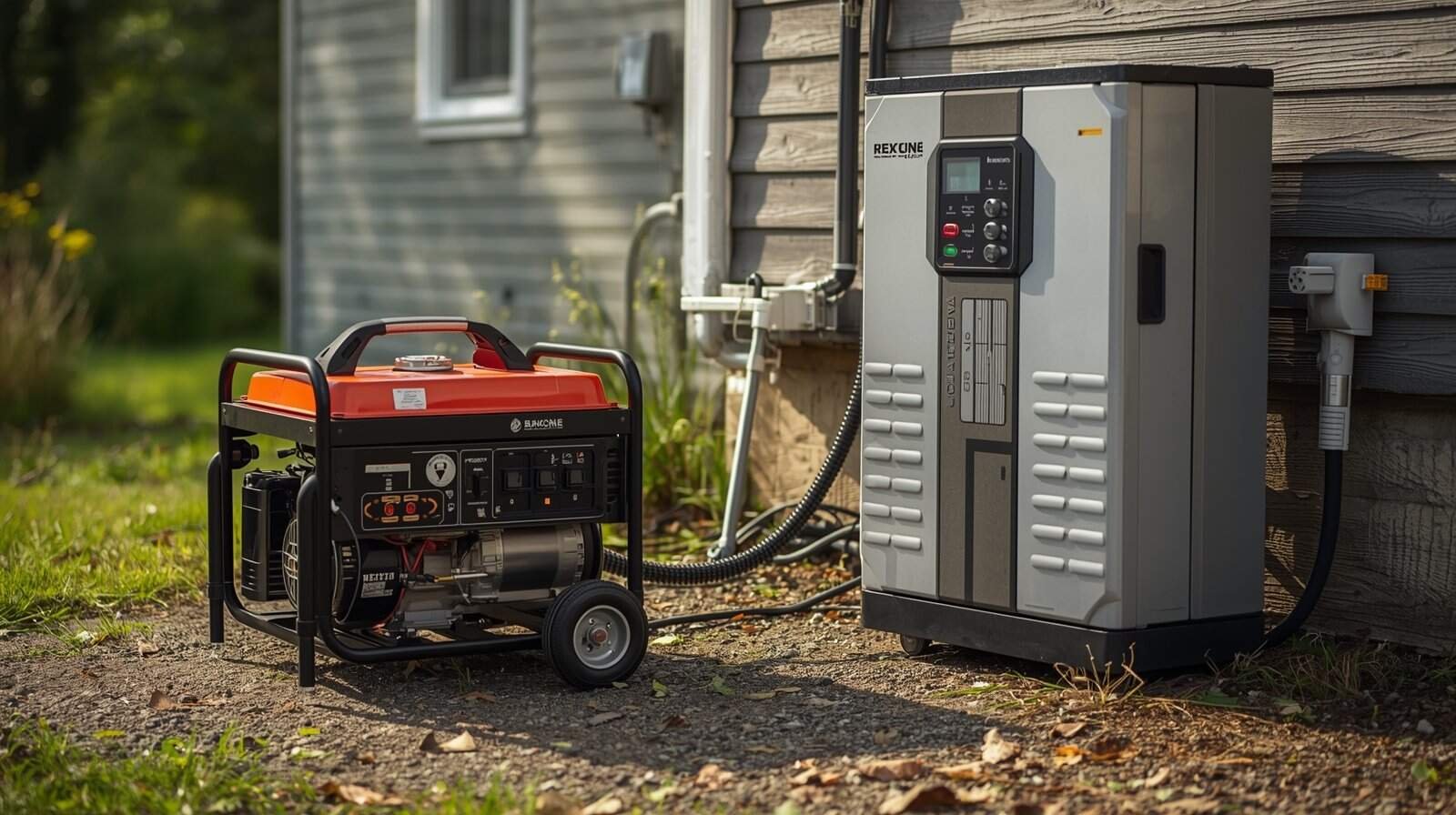
When a generator is running and supplying power but battery inverters, power stations, or sensitive electronics refuse to charge, the situation can be confusing. Outlets appear live, the engine sounds normal, yet charging indicators never engage.
This behavior is rarely caused by a defective inverter or device. In most cases, it points to power quality issues that charging circuits are intentionally designed to reject.
Key takeaway: Many modern electronics will refuse generator power on purpose if voltage or frequency falls outside safe limits—even when lights and basic devices still work.
Why Electronics May Refuse Generator Power
Modern electronics and battery inverters continuously monitor incoming power before allowing charging to begin. If voltage, frequency, or waveform quality fall outside acceptable limits, charging is blocked to prevent internal damage.
Generators can produce usable power for simple loads while still failing to meet the stricter requirements of sensitive electronics.
Frequency Instability Prevents Charging
Battery chargers and inverters rely on stable frequency to regulate internal components. Even small hertz fluctuations can interrupt charging logic or trigger protective shutdowns.
This condition is discussed in detail in generator runs but frequency (hertz) is unstable, which frequently overlaps with charging failures.
Voltage Irregularities Confuse Charging Circuits
If voltage dips, spikes, or fluctuates under load, charging systems may repeatedly reset or refuse to engage altogether. These irregularities often appear only when electronics attempt to draw power.
Related voltage behavior is explained in generator runs but power is weak or inconsistent, which commonly accompanies inverter charging complaints.
Visual breakdown: If electronics refuse to charge while lights still work, this guide explains the most common causes and safe adjustments to try: Why a Generator Powers Some Devices but Not Others.
Why Simple Devices Still Work
Resistive loads such as lights, heaters, or basic tools tolerate imperfect power far better than electronics. They do not rely on internal monitoring circuits that shut down when conditions drift outside safe ranges.
This mismatch can mislead homeowners into suspecting device failure rather than generator power quality limitations.
Why This Problem Is Often Misdiagnosed
Because some devices continue to operate normally, it’s easy to assume the generator is functioning correctly. In reality, selective charging failures are often an early warning sign that output quality is marginal or unstable.
This is why repeatedly “trying again” rarely works—and may increase risk.
Risks of Forcing Charging Attempts
Repeatedly connecting and disconnecting chargers or ignoring device warnings can expose electronics to unstable power. Over time, this may lead to overheating, internal component damage, or premature failure.
The broader risks of poor generator power are discussed in why generator power problems can damage electronics.
Stop testing if: chargers repeatedly click on/off, devices display error warnings, UPS systems alarm, or electronics feel warm during failed charging attempts. These are signs the power is unsafe for sensitive equipment.
When to Stop Testing and Get Help
If electronics consistently refuse generator power after basic checks, continued experimentation may increase risk without resolving the underlying issue. Power quality problems often require professional evaluation or equipment changes.
Clear escalation guidance is provided in when to call an electrician after an outage.
Conclusion
When a generator produces power but inverters or electronics won’t charge, the issue is almost always power quality—not device failure.
Understanding these limits helps homeowners avoid damaging sensitive equipment and make safer, more informed backup power decisions during outages.