


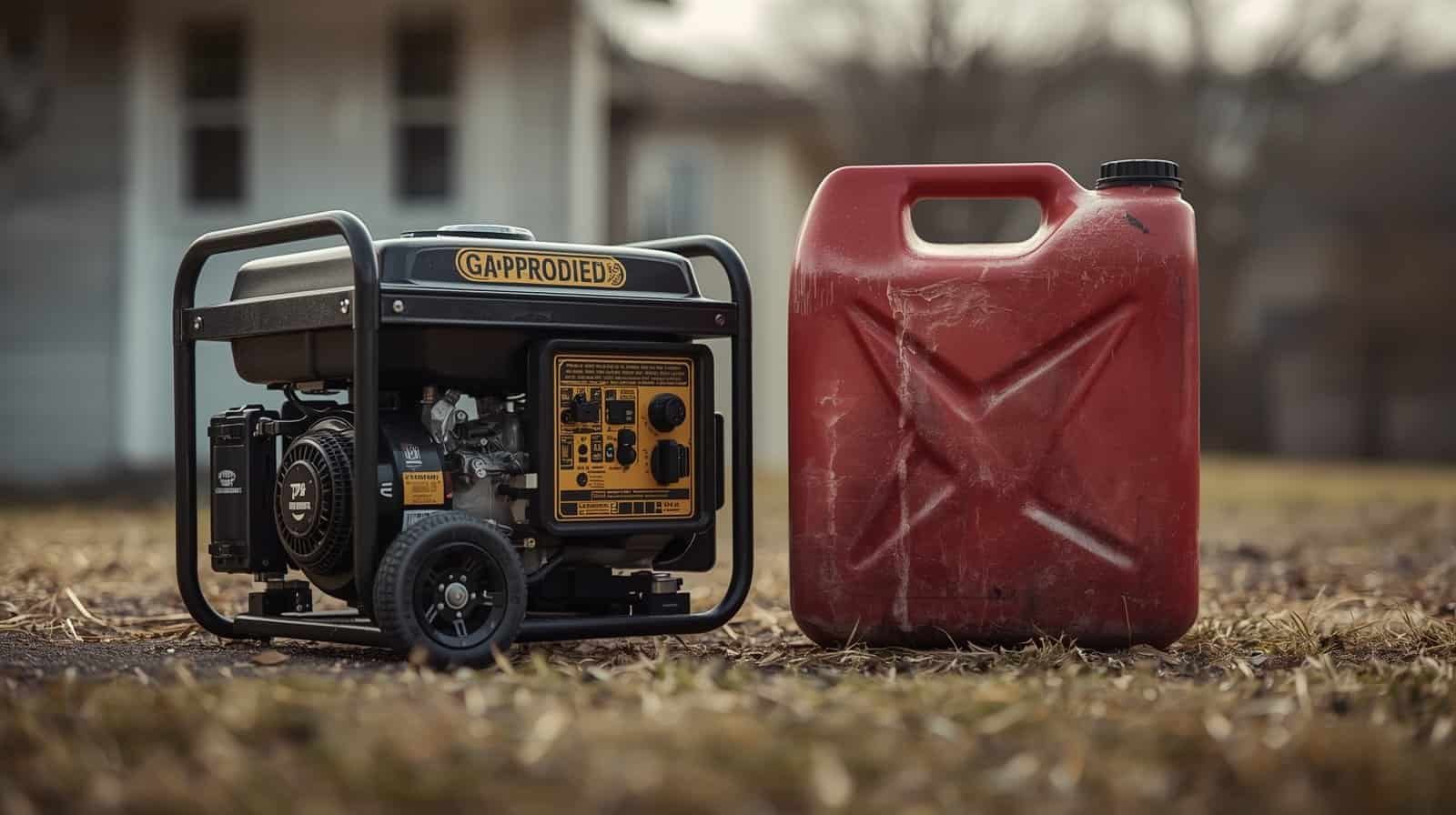
Gasoline doesn’t last forever. One of the most common reasons a generator fails to start or runs poorly—especially after sitting unused—is bad fuel. Stale or contaminated gas can quietly damage internal components and create safety risks if ignored.
How Gasoline Goes Bad Over Time
Modern gasoline begins to degrade within a few months. Exposure to air causes oxidation, while temperature swings encourage condensation inside fuel tanks and containers. Ethanol-blended fuels absorb moisture, accelerating breakdown.
As fuel degrades, it loses volatility and forms sticky residues that clog carburetors and fuel lines.
Common Symptoms of Bad Gas in a Generator
Generators affected by bad fuel often show subtle warning signs before complete failure. Hard starting, rough running, surging power output, or stalling under load are common indicators.
In severe cases, the generator may start briefly and then shut down, or fail to start at all. These symptoms often overlap with other issues—see why a generator won’t start and why a generator runs rough for comparison.
Safety Risks of Running a Generator on Bad Gas
Running a generator on degraded fuel increases fire risk and mechanical stress. Incomplete combustion can cause overheating, backfiring, or fuel leaks.
Deposits left behind by bad gas may also cause erratic engine behavior, making the generator unpredictable during operation.
How to Confirm Fuel Is the Problem
If fuel smells sour, appears cloudy, or has visible sediment, it should not be used. Fuel that has been stored for extended periods without stabilization is a common culprit.
Before draining fuel, always shut down the generator, allow it to cool completely, and follow manufacturer safety instructions.
What to Do If Your Generator Has Bad Gas
The safest solution is to drain old fuel from the tank and carburetor, then refill with fresh gasoline. In some cases, professional cleaning may be required if deposits have formed.
Once fresh fuel is added, allow the generator to run briefly to circulate clean fuel through the system.
Preventing Bad Gas Problems in the Future
Proper storage practices significantly reduce fuel-related problems. Store fuel in approved containers, keep it cool and sealed, and avoid long-term storage without stabilization.
Review how to store a generator between uses and how to store generator fuel safely at home to prevent recurrence.
Conclusion
Bad gas is a common and preventable cause of generator failure. Recognizing early symptoms and handling fuel safely can restore reliability and reduce safety risks during outages.