


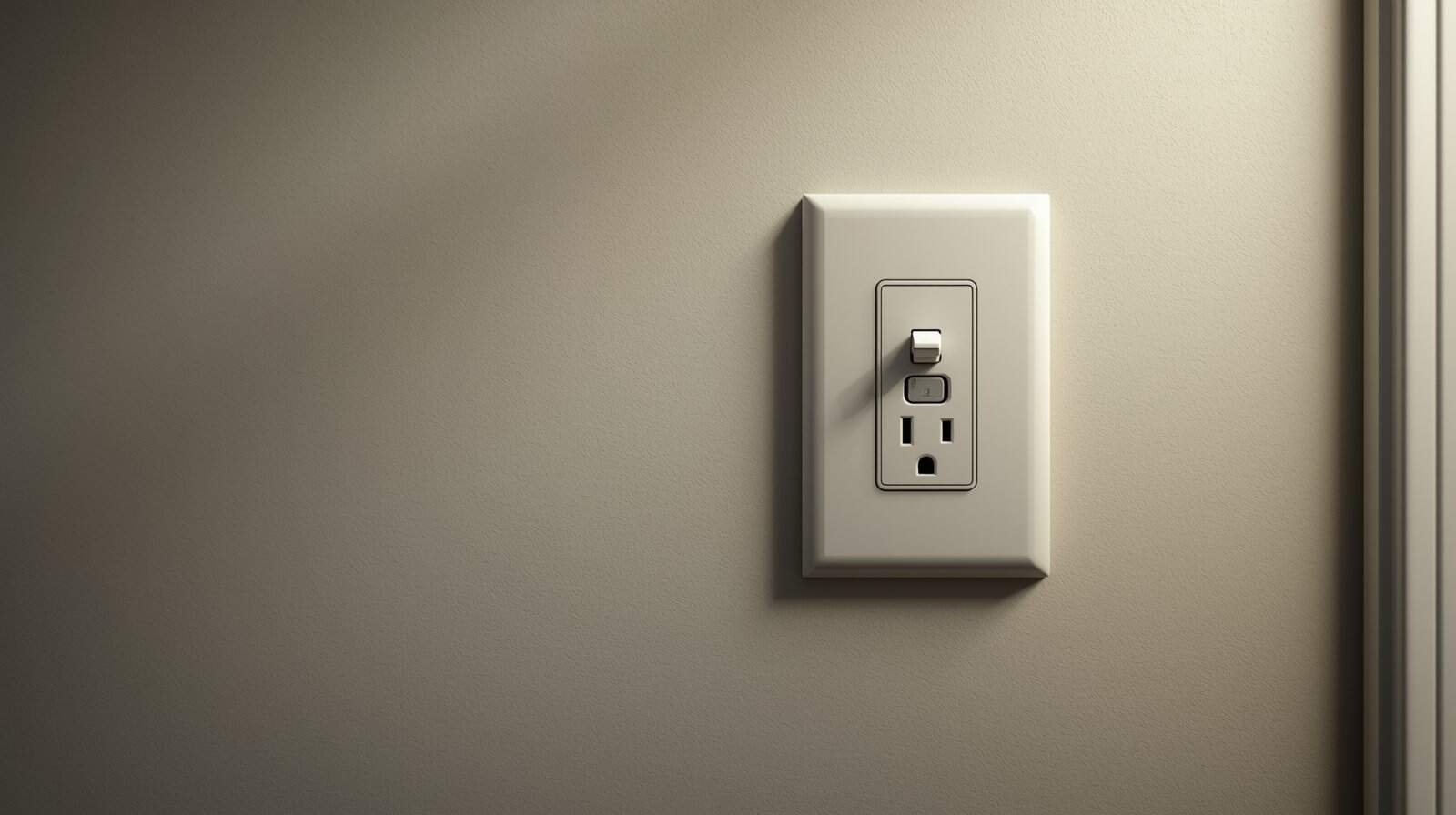
A buzzing or humming sound coming from an outlet or light switch after power is restored is a warning sign that should not be ignored. Electrical components are designed to operate quietly. When you can hear electricity “doing something,” it often means a connection is loose, arcing is occurring, or a component has been damaged.
This guide explains why buzzing happens after outages, what risks it can signal, what safe steps homeowners can take, and when it’s time to stop and call a licensed electrician.
What Buzzing or Humming Usually Indicates
Buzzing and humming are typically caused by electricity encountering resistance or instability at a connection point. After a power outage, the system may experience a surge when power returns, and multiple devices may restart at once. Those conditions can expose weak points that were previously “hanging on” without obvious symptoms.
Some buzzing is subtle at first—more like a faint vibration near a switch plate or receptacle. But even faint buzzing matters, because it can be an early sign of arcing or heat buildup inside the wall.
Common Causes of Buzzing From Outlets or Switches
Loose Wiring Connections
Loose wires at a receptacle, switch, or junction point are one of the most common causes of buzzing. A loose connection can create tiny gaps where electricity struggles to pass smoothly. That uneven flow can produce vibration, noise, and (in more serious cases) arcing.
Loose connections also generate heat, which is why buzzing and warmth often appear together.
Arcing at Contacts or Terminals
Arcing occurs when electricity jumps across a gap instead of flowing through a solid connection. Arcing can sound like buzzing, sizzling, crackling, or a faint snapping noise.
This is one of the most concerning causes because arcing produces intense heat and can ignite surrounding materials inside the electrical box or wall cavity.
Damaged Outlet or Switch Components
Surges during restoration can damage internal contacts inside a switch or receptacle. A device may still “work,” but its contacts may be weakened or partially burned, causing noise when current flows.
This is especially common with older outlets, heavily used switches, or circuits that were already near capacity before the outage.
Overloaded Circuits or High-Draw Loads Restarting
When power returns, motors and compressors may start simultaneously (refrigerators, freezers, HVAC, sump pumps, dehumidifiers). That sudden demand can stress a circuit and make weak connections start buzzing as they heat up.
If buzzing begins only when certain appliances run, it may be a load-related symptom rather than a constant wiring defect—but it still needs to be taken seriously.
Why Buzzing Is a Serious Safety Concern
Buzzing is often a “pre-failure” symptom—an early warning that a connection is unstable. Unstable connections can progress to arcing, overheating, and insulation damage.
Electrical fires frequently start inside walls, where damage can build for hours or days without visible signs. That’s why audible warnings are treated as high priority, especially after outages.
Immediate Safety Steps to Take
Keep your response simple and safety-first. You’re not diagnosing wiring—you’re reducing risk.
- Stop using the outlet or switch: Don’t keep toggling a buzzing switch or plugging/unplugging devices from a noisy outlet.
- Unplug devices if the sound is at an outlet: If safe to do so, remove anything drawing power from that receptacle.
- Turn off the circuit breaker if buzzing persists: If you can identify the correct breaker safely, shutting off the circuit reduces the chance of heat buildup or arcing continuing unseen.
- Watch for other warning signs: Note any warmth, odor, or discoloration around the plate.
If you hear loud crackling, see sparks, or smell burning, treat the situation as urgent and avoid re-energizing the circuit.
How Buzzing Relates to Other Post-Outage Warning Signs
Buzzing often appears alongside other “sensory” warnings that point to heat and instability:
- Odor: burning or hot-plastic smells
- Heat: warm outlet covers or switches
- Visible changes: discoloration or scorch marks
If you notice these related symptoms, these guides can help you interpret the pattern:
- Burning Smell After a Power Outage: What It Means and What to Do
- Warm or Hot Outlet After an Outage: Is It Dangerous?
- Scorch Marks or Discoloration Around Outlets: What They Mean
Buzzing plus heat or odor is a particularly strong signal to stop troubleshooting and escalate.
Buzzing sounds alongside partial power are never normal. This visual safety flowchart helps identify when electrical noise signals a deeper issue.
When to Call an Electrician
Call a licensed electrician if:
- The buzzing persists or returns repeatedly
- The outlet or switch feels warm or hot
- You notice any burning smell or discoloration
- Buzzing affects multiple outlets/switches on the same circuit
- The noise is coming from the panel area (not just a single device)
If you’re unsure where the safe line is, use When to Call an Electrician After an Outage for clear “stop and escalate” criteria. Audible electrical warnings are rarely something to monitor casually.
Conclusion
Buzzing or humming from outlets or switches after power is restored is not normal. It typically indicates loose connections, arcing, or damaged components—conditions that can create heat and raise fire risk behind the wall.
Take the signal seriously: reduce load, stop using the affected point, and escalate if the sound persists or appears with heat or odor. Acting early is how homeowners prevent a small electrical defect from becoming a dangerous failure.