
Emergency preparedness helps homeowners reduce risk, stay safe, and respond effectively when unexpected events disrupt daily life. Power outages, severe weather, and infrastructure failures can happen with little warning, making advance planning an essential part of home readiness.

What emergency preparedness means for homeowners
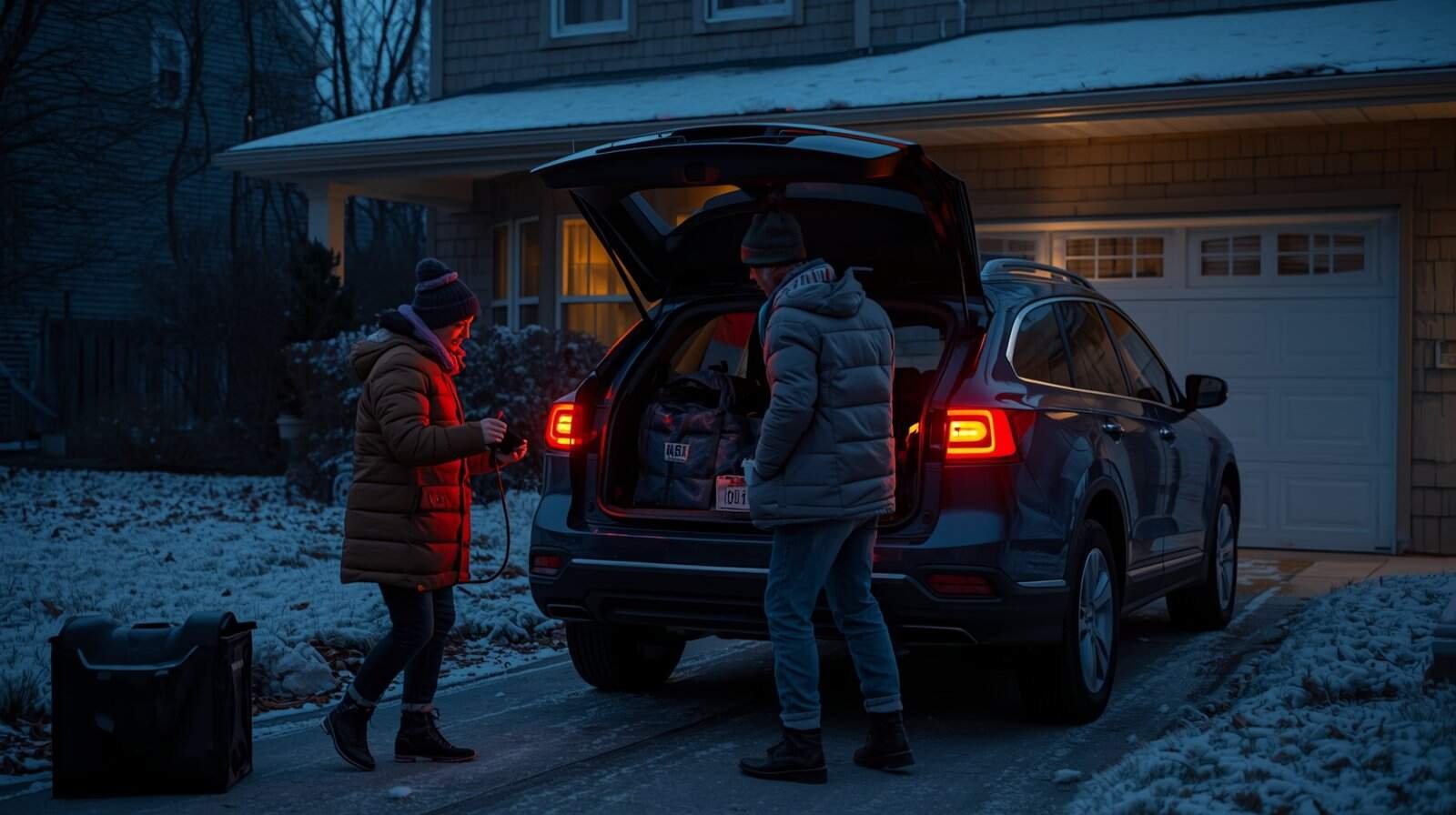
Emergency preparedness is the process of planning ahead so your household can function safely during disruptions. For most homeowners, this includes power continuity, basic safety measures, communication planning, and access to essential supplies.
The goal is not to prepare for every possible scenario, but to build a flexible plan that covers the most likely risks in your area.
Common emergencies that affect homes
Many preparedness plans focus on events such as:
- Extended power outages
- Severe storms, hurricanes, or winter weather
- Extreme heat or cold events
- Flooding or water service disruptions
- Temporary loss of communications or fuel access
Core elements of an emergency preparedness plan
Effective preparedness planning usually includes several key components:
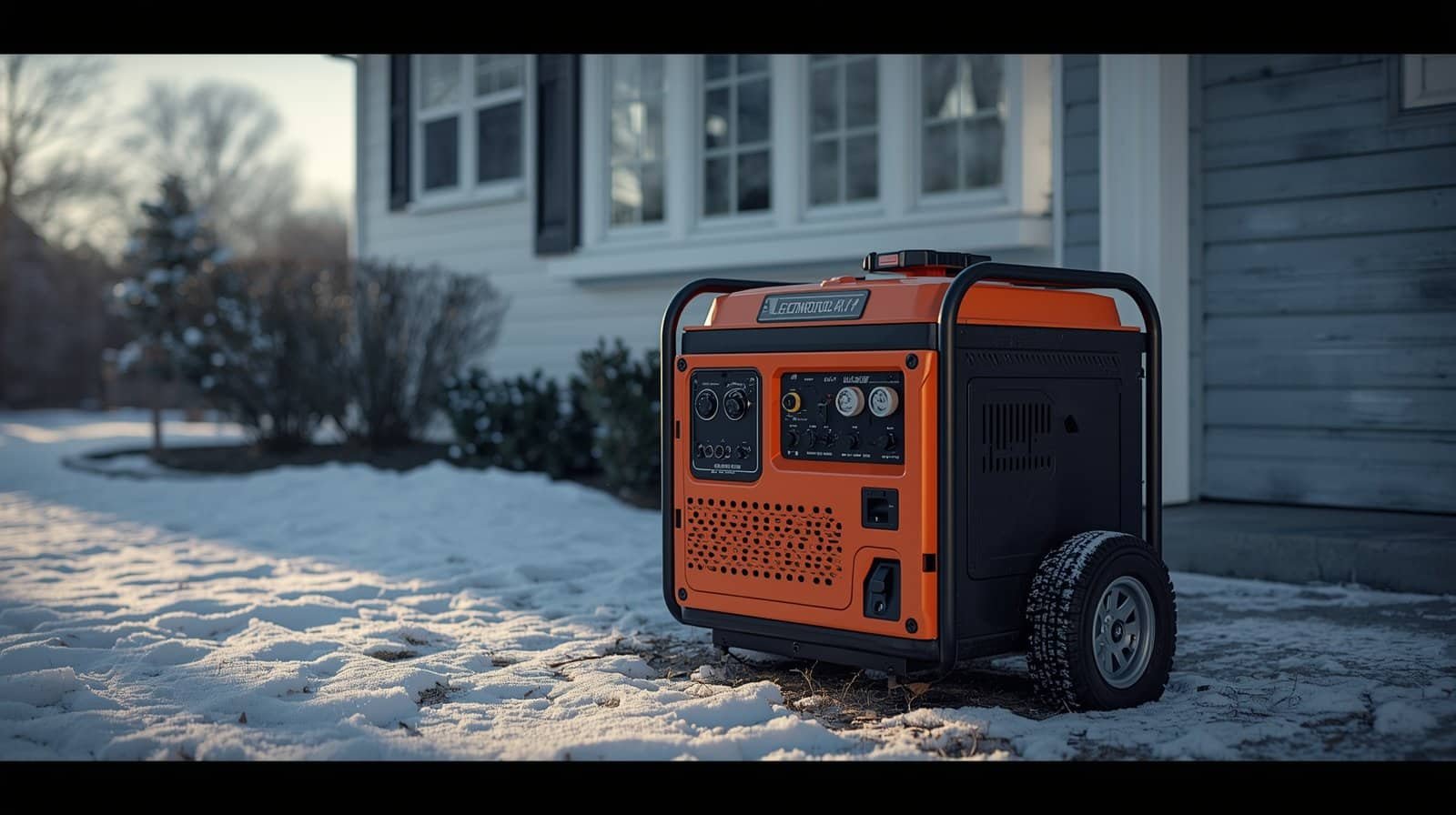
- Power readiness: understanding backup power options and limitations
- Safety planning: reducing risks related to electricity, heating, and fuel use
- Communication: staying informed and connected during disruptions
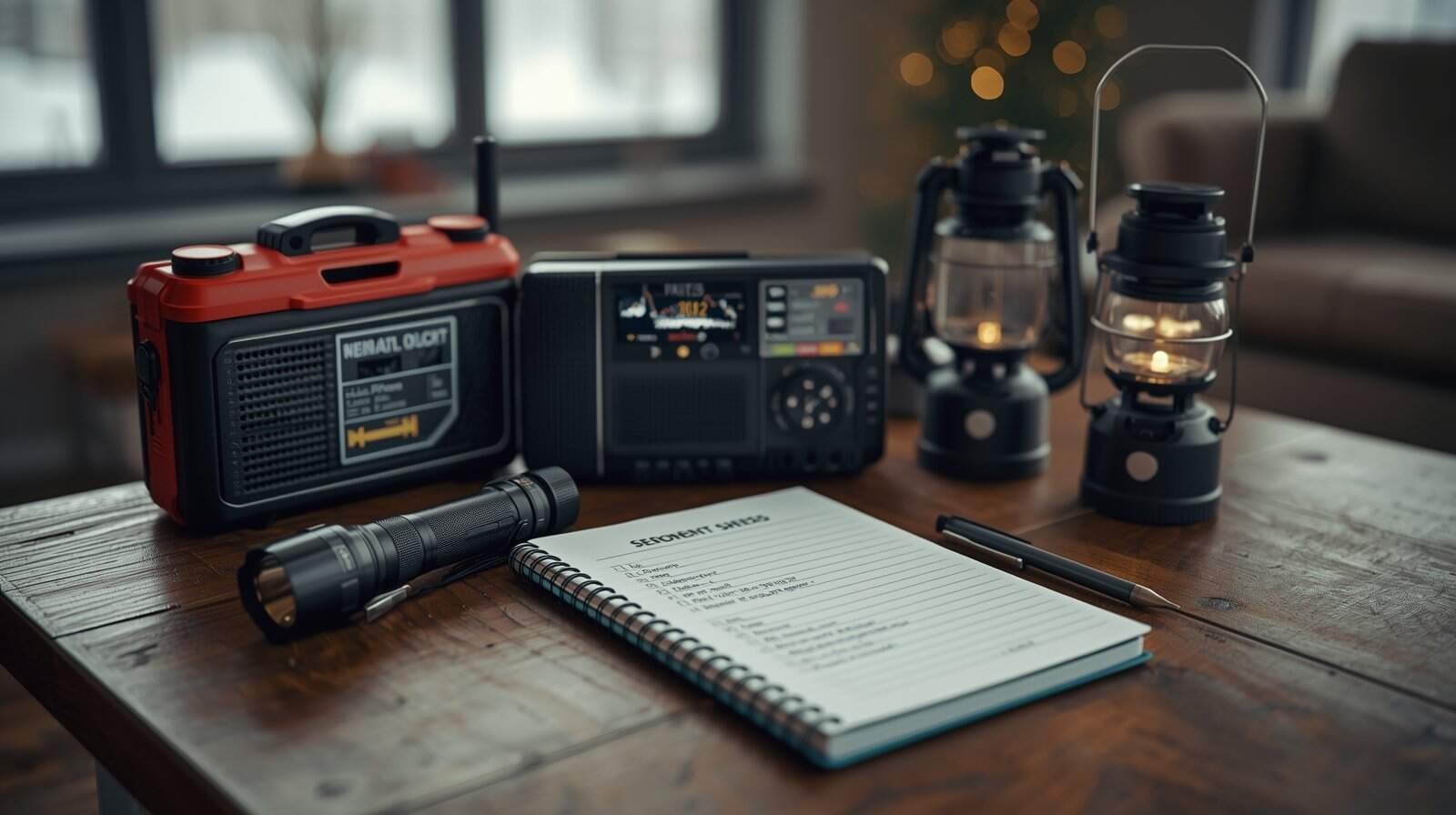
- Supplies: food, water, medications, lighting, and essential household items
Preparing for power outages
Power outages are one of the most common household emergencies. Preparedness involves knowing what systems you rely on, how long you can go without power, and what alternatives are available.
Many homeowners focus on maintaining power for refrigeration, heating or cooling, lighting, communication devices, and medical equipment during outages.
Safety considerations during emergencies
Emergency situations can introduce additional safety risks. Common preparedness-related safety concerns include:
- Carbon monoxide exposure from improper generator use
- Electrical hazards from damaged wiring or unsafe connections
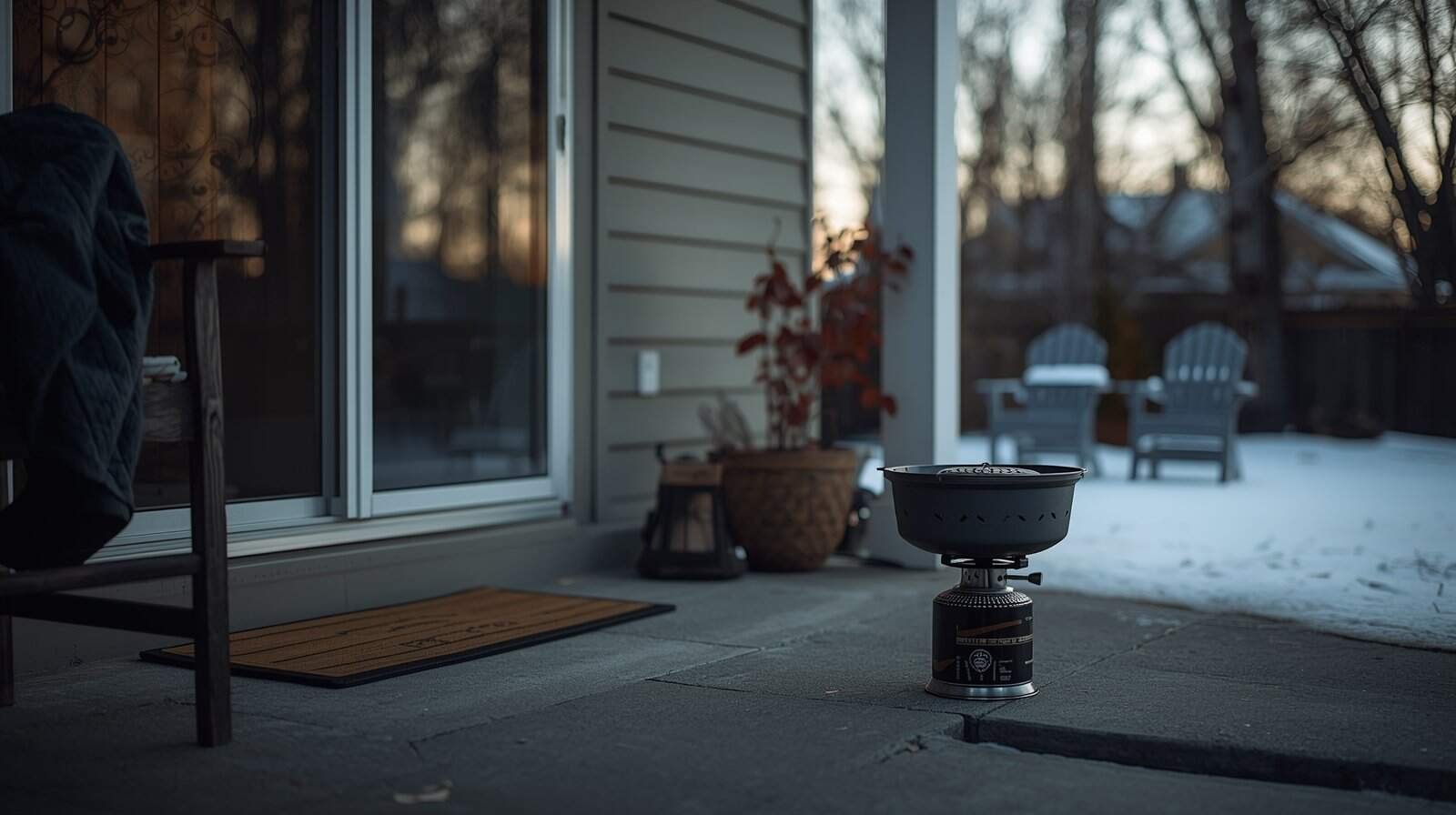
- Fire risks from alternative heating or lighting sources
- Slip, fall, and injury risks during low-light conditions
Planning ahead helps reduce these risks before an emergency occurs.
Short-term vs extended emergencies
Preparedness needs vary depending on the duration of an emergency. Short disruptions may only require minimal planning, while multi-day events require more comprehensive preparation.
Understanding the difference helps homeowners avoid both under-preparing and over-complicating their plans.
Household communication and coordination
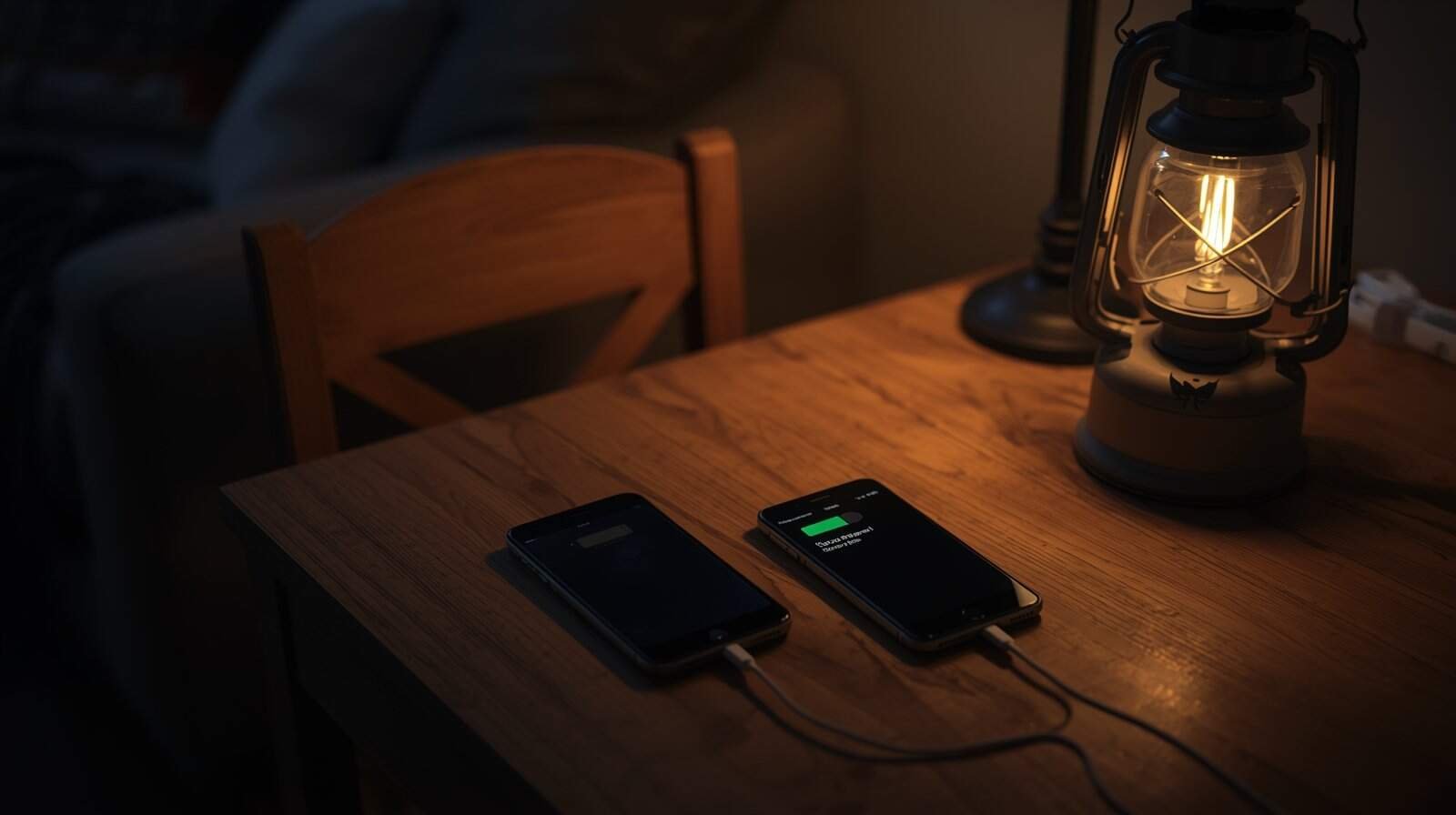
Preparedness plans should include clear communication strategies. This may involve knowing how to receive local alerts, keeping backup charging options for phones, and establishing a basic family plan if members are separated.
Maintaining and updating your preparedness plan
Preparedness is not a one-time task. Household needs change over time, and equipment should be checked periodically. Reviewing your plan once or twice a year helps ensure it remains practical and effective.
Frequently asked questions
How much preparedness is enough?
Preparedness should match your location, household needs, and likely risks. A simple, well-thought-out plan is often more effective than an overly complex one.
Do I need backup power to be prepared?
Backup power is helpful for many households, especially during outages, but preparedness also includes safety planning, supplies, and communication strategies.
In-depth guides in this section
This preparedness pillar is supported by practical guides that cover readiness planning, household coordination, essential needs, and power outage scenarios. As new resources are published, they are organized under the Emergency Preparedness categories so you can browse by topic and risk area.
If you’re unsure where to begin, start with the most likely emergencies in your region and build a simple plan you can realistically maintain.
Where to go next
If you are building or refining your emergency preparedness plan, start by identifying your most important needs and likely risks. Then explore the detailed guides across PowerPrepGuide.com covering power outage planning, backup power options, safety considerations, and household readiness.