


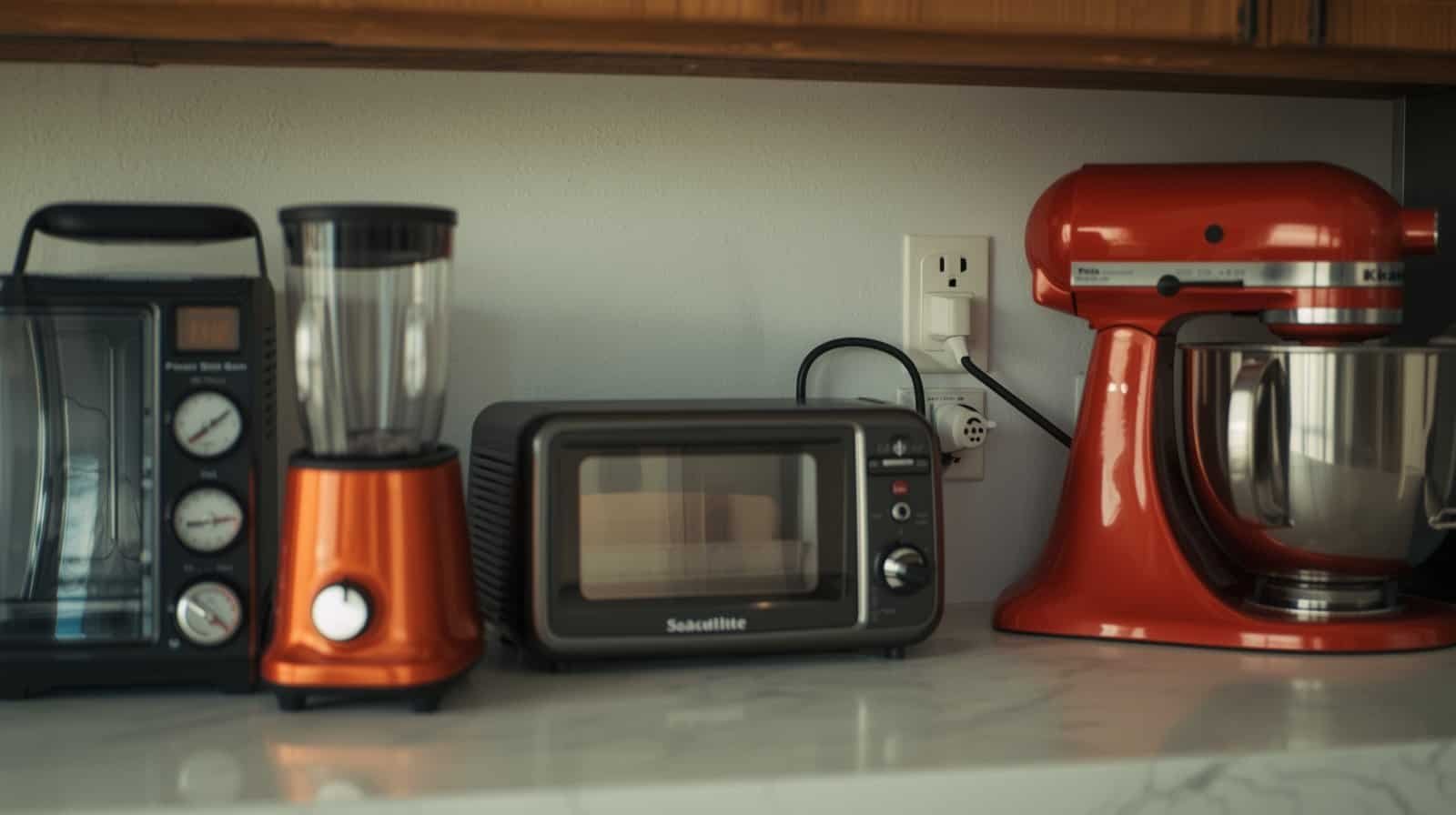
After a power outage, homeowners often rely on extension cords to restore temporary power. Unfortunately, these cords frequently become the reason breakers trip when electricity is restored.
Understanding how extension cords interact with household circuits explains why breaker trips are so common after outages.
Why Outages Make Extension Cord Problems Worse
Power restoration places sudden demand on electrical circuits. Extension cords, especially when overloaded or damaged, amplify this demand and trigger breaker protection.
Overloading Through Multiple Devices
Extension cords are often used to power several devices at once. After an outage, appliances may restart simultaneously, pushing the circuit beyond safe limits.
Undersized and Worn Cords
Light-duty cords are not designed for high-wattage appliances. Heat buildup and internal wire damage increase resistance, causing breakers to trip.
Hidden Damage from Storm Conditions
Moisture exposure, crushing, or outdoor use during outages can compromise extension cord insulation, increasing short-circuit risk.
Interaction with Modern Breaker Protection
AFCI and GFCI breakers are more sensitive to electrical irregularities. Extension cords can trigger these protections after outages.
Related breaker behavior is explained in breaker trips after power is restored and device-level issues are covered in appliances trip breakers after power is restored.
Safer Alternatives to Extension Cords
Using dedicated outlets, properly rated power strips, or permanent wiring solutions reduces post-outage breaker trips.
When to Stop Troubleshooting
If breaker trips continue after removing extension cords, professional inspection is recommended.
Clear guidance is provided in when to call an electrician after an outage.
Conclusion
Extension cords often contribute to breaker trips after outages due to overload, damage, and improper use. Limiting their use improves safety and system reliability.