


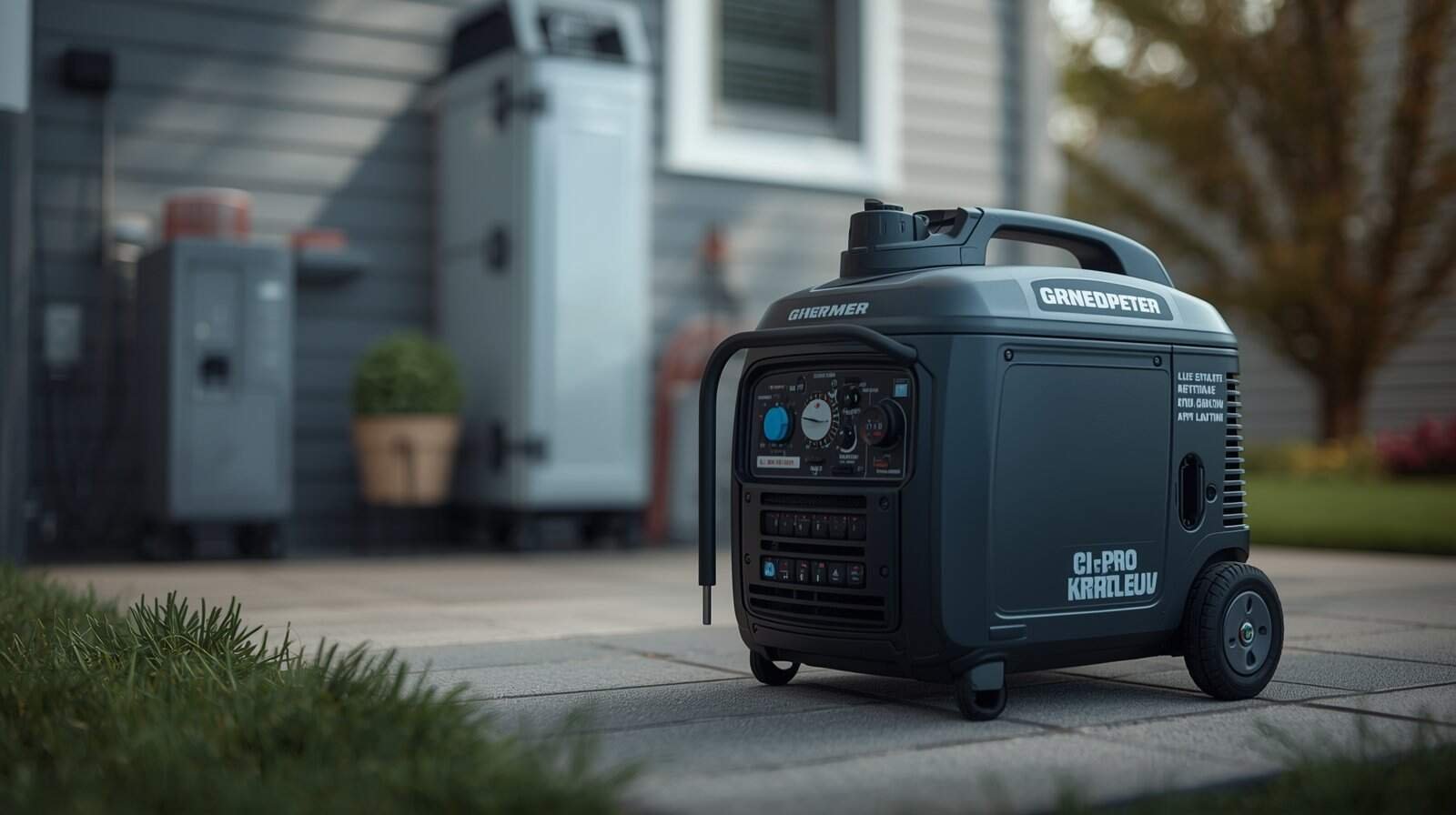
When homeowners buy a new generator, most attention goes toward wattage, fuel type, and runtime. One critical step is often overlooked: the generator break‑in period. How a generator is operated during its first few hours of use has a lasting impact on engine performance, reliability, and lifespan.
This guide explains what the break‑in period is, how long it lasts, and what to do — and avoid — during those first runs.
What Is a Generator Break‑In Period?
The break‑in period is the initial operating phase when internal engine components begin seating and wearing together. Piston rings, bearings, and other moving parts gradually settle into proper alignment.
Running the generator correctly during this phase helps ensure smooth operation and reduces premature wear.
How Long Does the Break‑In Period Last?
For most portable generators, the break‑in period lasts between 5 and 20 operating hours. Manufacturer recommendations vary, but the first several hours are the most important.
During this time, avoiding continuous heavy loads helps protect internal components.
Recommended Load Levels During Break‑In
Generators should not be run at full capacity during the break‑in period. Light to moderate loads allow components to seat gradually without excessive heat or stress.
Short operating sessions with cooling periods in between are preferable to extended continuous runs.
Why Load Management Matters Early On
High loads during break‑in can increase friction and heat before components are fully seated. This may accelerate wear and shorten engine life.
For guidance on safe operating durations beyond break‑in, see how long a generator can run safely.
Oil Changes During the Break‑In Period
The first oil change is especially important. During break‑in, small metal particles may accumulate in the oil as components seat.
Many manufacturers recommend changing oil after the first 5 to 10 hours of operation. Detailed intervals are covered in generator oil change intervals.
Common Break‑In Mistakes to Avoid
Common mistakes include running the generator at maximum load immediately, skipping the initial oil change, or running the engine continuously without rest periods.
These practices can reduce efficiency and lead to avoidable mechanical issues.
How Break‑In Fits Into Long‑Term Maintenance
The break‑in period sets the foundation for long‑term reliability. Proper early operation makes routine maintenance more effective and predictable.
For a broader readiness overview, see generator maintenance checklist before storm season.
Conclusion
Taking time to follow break‑in recommendations protects your investment and improves generator reliability. Moderate loads, early oil changes, and patience during first use help ensure dependable performance when outages occur.