


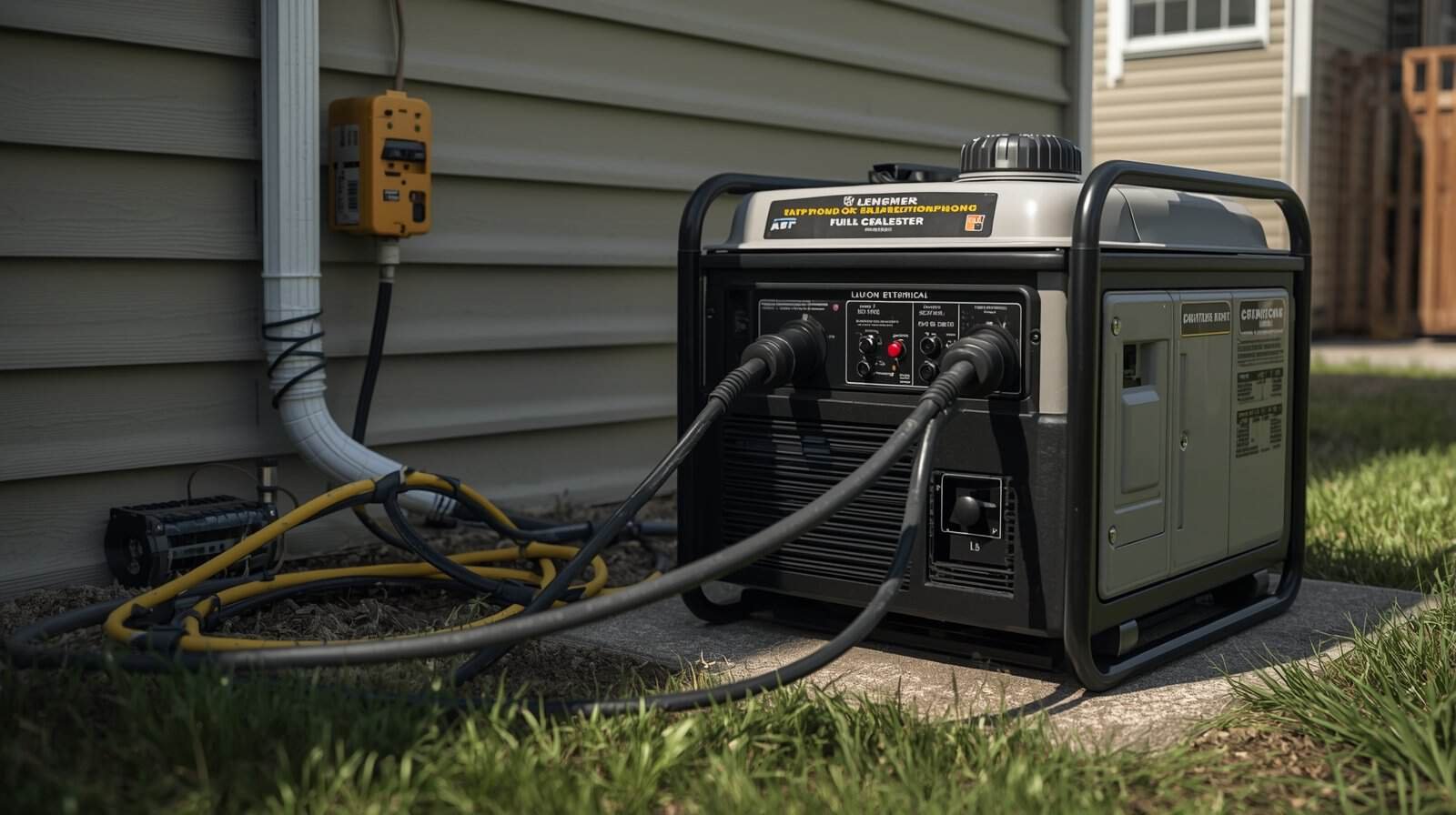
A generator breaker that keeps tripping is a clear sign that something is wrong with the electrical load or output path. While breakers are designed to protect both the generator and connected equipment, repeated tripping means the system is being pushed beyond safe limits.
Understanding why generator breakers trip, what risks are involved, and which troubleshooting steps are safe for homeowners helps prevent equipment damage and reduces outage frustration.
Key point: Breaker trips are not random. Each trip is the generator actively protecting itself from overload, fault conditions, or unstable output.
What It Means When a Generator Breaker Trips
The circuit breaker on a generator is a safety device. It interrupts power when current exceeds safe limits, preventing overheating, electrical damage, or fire. When it trips repeatedly, the generator is responding to a real problem—not a nuisance condition.
Most Common Causes of Generator Breaker Tripping
Electrical overload
Overloading is the most frequent cause. Running appliances that exceed the generator’s rated output causes current to spike, triggering the breaker. This often happens when multiple high-wattage devices are started at the same time.
High startup surge currents
Motors and compressors draw extra power when starting. Even if total running wattage seems acceptable, startup surges can exceed breaker limits.
Proper sizing is critical. See our guide on what size generator you need for planning help.
Short circuits or damaged cords
Damaged extension cords, crushed insulation, or wet connectors can create partial shorts that cause breakers to trip immediately after reset.
Faulty connected appliances
An appliance with an internal fault can trip the generator breaker even if other devices run normally. Identifying the faulty load is essential before continued operation.
Internal generator electrical faults
Worn breakers, damaged windings, or failing voltage regulators can cause nuisance tripping. These issues typically worsen over time and require professional service.
Safe Troubleshooting Steps You Can Try
Disconnect all loads
Turn off and unplug everything before resetting the breaker. Reconnect devices one at a time to identify the source of the overload.
Inspect cords and connectors
Look for cuts, melted insulation, or loose plugs. Replace any damaged cords before continuing operation.
Reduce simultaneous startup loads
Stagger appliance startups to reduce surge demand. Avoid starting refrigerators, pumps, and air conditioners at the same time.
Visual guide: If breakers trip only when certain appliances start, this flowchart shows how startup surge causes selective failures: Why a Generator Powers Some Devices but Not Others.
Operate within rated capacity
Compare connected loads to the generator’s continuous output rating. Exceeding this limit risks repeated tripping and long-term damage.
Stop troubleshooting if: the breaker trips instantly with no loads connected, trips repeatedly after basic checks, or the generator shows signs of overheating, burning smells, or unstable output.
When Breaker Tripping Indicates a Bigger Problem
If the breaker trips with no load connected, internal electrical components may be failing. Continued operation under these conditions can lead to complete power loss.
If your generator runs but produces no usable output, review what to do when a generator runs but produces no power.
Surging and Breaker Tripping
Breaker tripping may occur alongside unstable output. Voltage fluctuations increase current draw and heat.
If lights flicker or appliances cycle before the breaker trips, see our guide on generator surging power.
Conclusion
A generator breaker that keeps tripping is a warning that should not be ignored. Correcting overloads, inspecting cords, and understanding generator limits protects your equipment and ensures reliable power during outages.