


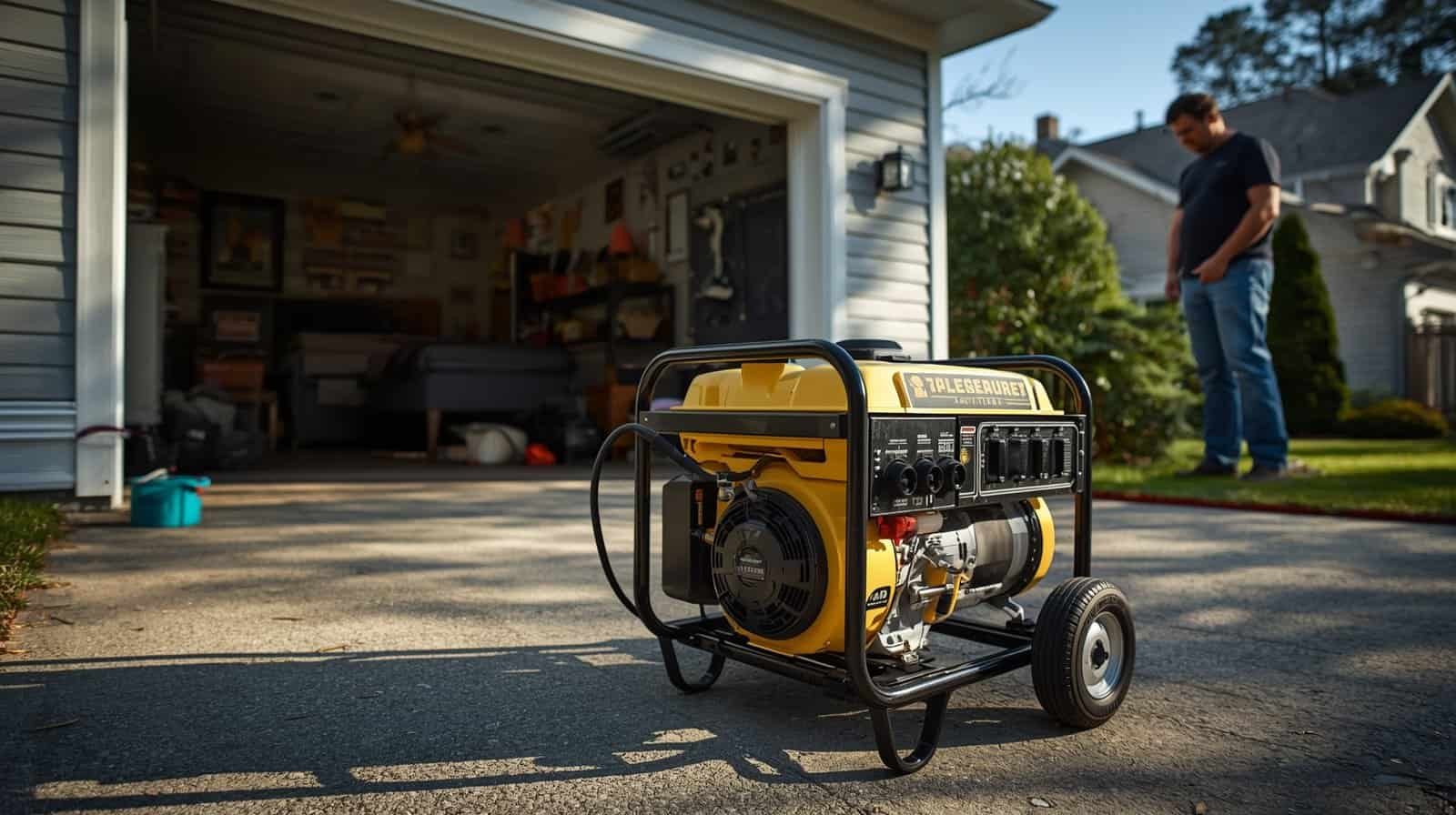
A generator that starts but then shuts off unexpectedly can be just as frustrating as one that won’t start at all. In some cases, the shutdown is a built-in safety feature doing its job. In others, it may signal a problem that needs attention.
This guide explains the most common reasons generators shut down while running, the checks homeowners can safely perform, and when it’s time to stop troubleshooting.
If your generator will not start at all, the causes and checks are often different. You may want to review our troubleshooting guide on what to do when a generator won’t start.
Important Safety Reminder
Always operate generators outdoors and away from doors, windows, and vents. Never attempt to diagnose or restart a generator indoors. If you notice fuel leaks, strong fumes, or visible damage, stop immediately.
Common Reasons a Generator Keeps Shutting Off
Low oil level or oil sensor activation
Most generators include a low-oil shutdown system. If oil levels drop too low, the generator will automatically turn off to protect the engine.
Overloaded electrical circuits
Connecting too many devices or appliances can overload the generator, causing it to shut down to prevent damage.
Fuel supply problems
Restricted fuel flow, clogged fuel lines, or contaminated fuel can interrupt engine operation and cause shutdowns.
Overheating
Extended runtime, blocked ventilation, or high ambient temperatures can cause the generator to overheat and shut off.
Carbon monoxide safety features
Some newer generators include sensors that shut the unit down if elevated carbon monoxide levels are detected near the generator.
Safe Checks You Can Perform
Reduce electrical load
Disconnect all appliances and restart the generator with no load. Gradually reconnect devices to identify overload issues.
Check oil level
Use the dipstick to confirm proper oil level and add oil if necessary, following manufacturer recommendations.
Inspect airflow and ventilation
Ensure vents and cooling areas are clear of debris and that the generator has adequate space for airflow.
Verify fuel condition
Make sure fuel is fresh and that fuel valves are fully open.
When to Stop Troubleshooting
Stop troubleshooting if shutdowns continue after basic checks, or if you observe fuel leaks, electrical issues, or repeated overheating. Continuing to run a malfunctioning generator can increase safety risks.
How to Prevent Shutdown Issues in the Future
- Perform regular maintenance and oil checks
- Avoid exceeding rated electrical capacity
- Keep the generator clean and well-ventilated
- Run the generator periodically to ensure reliability
Conclusion
Generators often shut off to protect themselves or the people around them. Understanding why this happens can help you address simple issues safely and recognize when professional service is needed.