


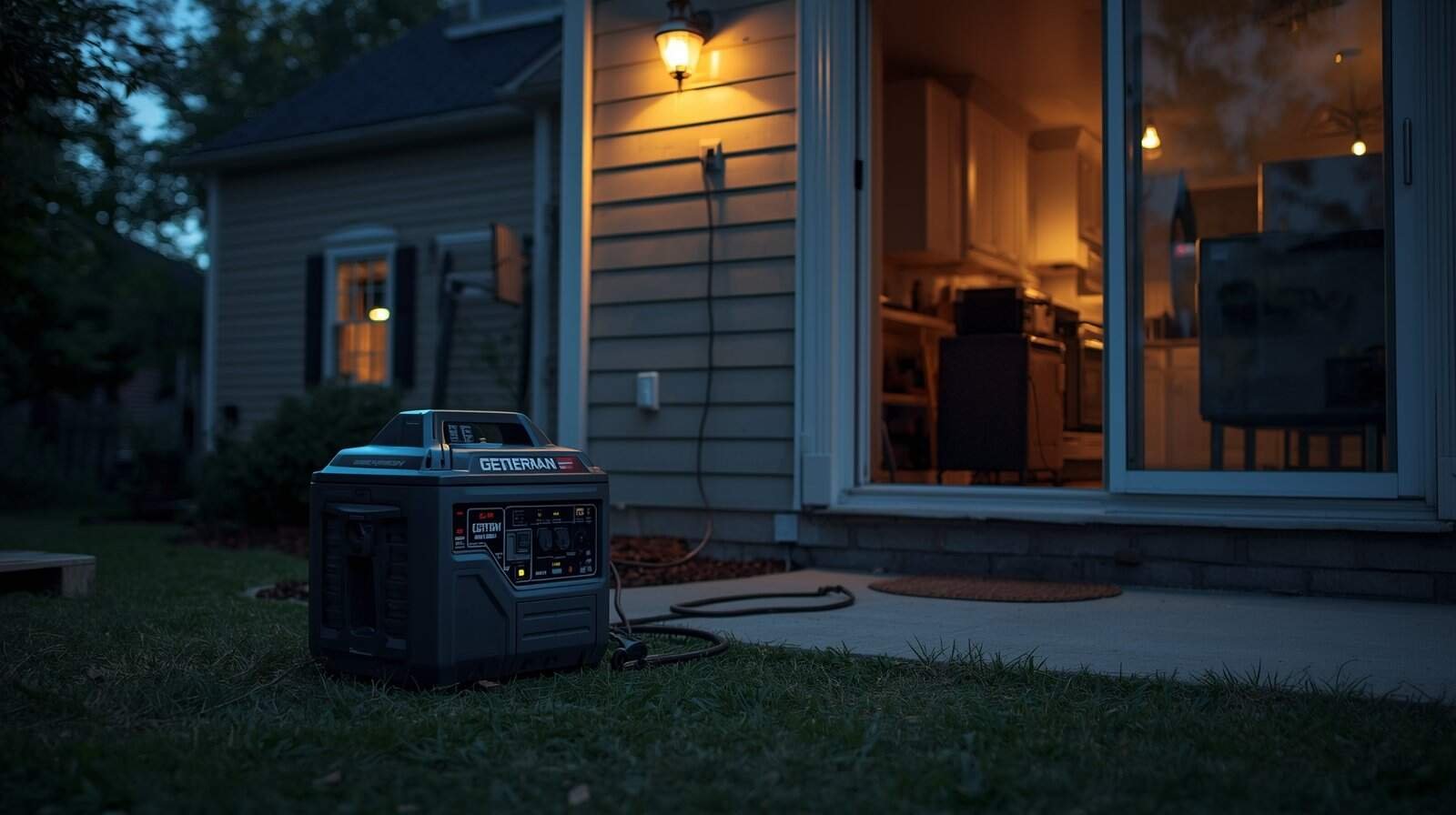
A generator that starts normally but shuts down as soon as appliances turn on can be frustrating and unsettling—especially during an outage when reliable power is critical. At first glance, it may feel like the generator is failing without warning.
In most cases, this behavior is not random. It usually indicates that the generator is encountering electrical or mechanical stress once real demand is applied, triggering built-in protections designed to prevent damage.
Why Generators Shut Down When Load Is Applied
Starting a generator requires relatively little effort because there is minimal electrical demand at idle. The situation changes the moment appliances begin drawing power, especially devices with motors or compressors.
If the generator senses conditions outside its safe operating range—such as excessive load, unstable voltage, or mechanical strain—it may shut itself down automatically. This is a protective response, not a malfunction.
Startup Surge Overwhelms Generator Capacity
Many household appliances require a brief surge of power when they start. This surge can be two to three times higher than the appliance’s normal running load.
Refrigerators, freezers, well pumps, sump pumps, and air conditioners are common examples. If this startup surge exceeds what the generator can deliver—even for a few seconds—the generator may stall or shut down immediately.
This often explains why the generator runs fine with no load but fails the instant a large appliance tries to start.
Same root issue, different symptom: This visual guide explains how startup surge and load imbalance cause selective failures—and how to respond safely: Why a Generator Powers Some Devices but Not Others.
Fuel Delivery Limitations Under Load
As electrical demand increases, the generator’s engine must work harder. That increased effort requires a rapid and precise increase in fuel delivery.
If fuel flow is restricted—due to clogged filters, cold-weather fuel behavior, regulator limitations, or aging components—the engine may not respond quickly enough. When this happens, the generator may shut down as soon as appliances engage.
Fuel-related shutdowns are especially common during extended outages when generators have been sitting unused or operating for long periods.
Voltage Instability Triggers Protective Shutdown
Many modern generators actively monitor output voltage. When appliances attempt to start, voltage can dip or fluctuate if the generator is near its operating limits.
If voltage drops too far or becomes unstable, internal protection systems may shut the generator down to protect connected equipment from damage.
This condition is explained in more detail in generator produces power but voltage is too low or unstable, which often overlaps with shutdown complaints.
Overload Protection and Safety Sensors
Generators are equipped with multiple safety systems, including overload protection, oil level sensors, and temperature monitoring. These systems are designed to shut the generator down before serious damage occurs.
Under load stress, these sensors may activate even if the generator sounds normal at idle. This can make the shutdown feel sudden or confusing, but it is usually a sign that the generator is protecting itself.
How This Differs From Other Generator Shutdown Problems
If a generator shuts down only when appliances turn on, the problem is typically related to load demand or operating limits—not ignition, spark, or basic startup issues.
A closely related scenario is covered in generator won’t stay running under load, which explores similar symptoms that persist even after appliances are already running.
When to Stop Testing and Get Professional Help
Repeated shutdowns under load can stress both the generator and the appliances connected to it. Continually restarting the generator and reapplying load may increase the risk of damage.
If shutdowns persist, worsen, or are accompanied by unstable power behavior, it’s time to stop testing and seek professional guidance. Clear escalation criteria are outlined in when to call an electrician after an outage.
Conclusion
When a generator starts but shuts down as appliances turn on, the cause is usually related to startup surge, fuel delivery limitations, voltage instability, or protective shutdown systems—not a random defect.
Understanding these limits helps homeowners avoid unsafe setups, protect equipment, and make better decisions during power outages.