


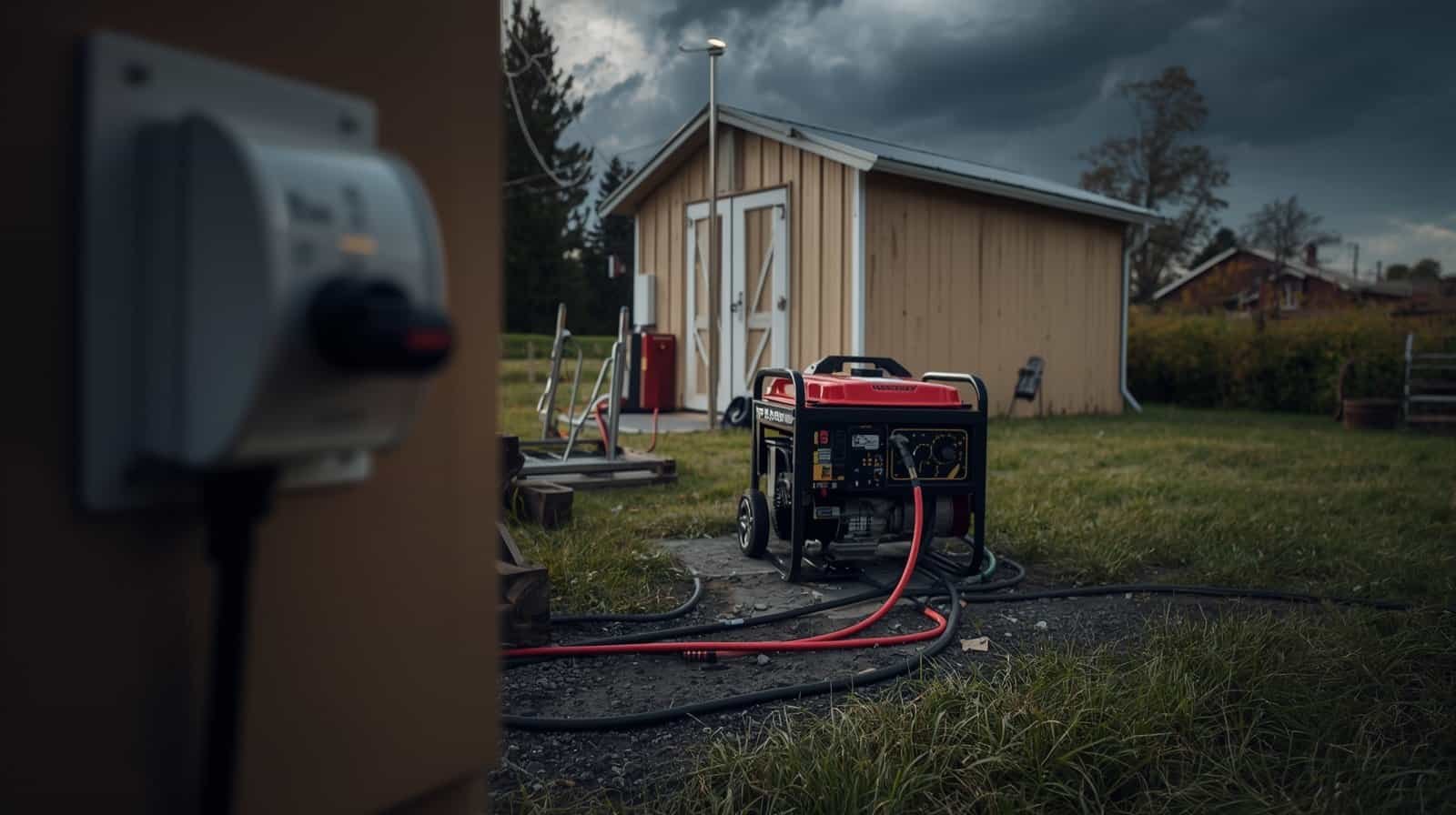
When a generator trips its breaker as soon as appliances are connected, it can feel like the generator is failing at the exact moment it’s needed most. In reality, the breaker is doing its job by responding to electrical stress.
Understanding why this happens helps homeowners avoid unsafe resets, equipment damage, and escalating power problems during an outage.
What It Means When a Generator Breaker Trips Under Load
A generator breaker is designed to interrupt power when electrical conditions exceed safe limits. When appliances are turned on, load increases sharply and the breaker may trip to prevent overheating or internal damage.
This behavior signals that the generator is experiencing more electrical demand than it can safely handle at that moment.
Startup Surge Pushes Demand Past Safe Limits
Many appliances draw a brief surge of power when starting. Refrigerators, well pumps, and air conditioners are common examples.
If this surge exceeds the generator’s output capability, the breaker may trip instantly. This often happens even when the generator appears adequately sized on paper.
Combined Load Adds Up Faster Than Expected
Multiple devices starting at once can create a cumulative demand that overwhelms the generator. Even modest appliances can contribute to overload when combined.
This effect is especially common immediately after power restoration, when many appliances attempt to restart simultaneously.
Engine Strain and Power Quality Contribute to Breaker Trips
When the generator engine struggles to maintain speed under load, voltage and frequency may fluctuate. These conditions increase current draw, making breaker trips more likely.
Audible warning signs often accompany this condition. Related symptoms are discussed in generator sounds strained under load.
How This Differs From Generator Shutdown Problems
A breaker trip is different from a generator shutting down completely. In breaker-related cases, the engine continues running but output is interrupted.
If the generator instead stalls or shuts off entirely when appliances turn on, see generator starts but shuts down when appliances turn on for a related but distinct scenario.
Why Repeated Breaker Resets Can Be Risky
Repeatedly resetting a tripped breaker without addressing the underlying cause can overheat generator components and connected wiring.
Breakers are warning devices, not inconveniences. Ignoring them increases the risk of sudden failure or equipment damage.
Before continuing: This guide explains why some loads trigger trips while others don’t—and how to recognize unsafe conditions early: Why a Generator Powers Some Devices but Not Others.
When to Stop Troubleshooting and Get Help
If the breaker continues to trip even with reduced load, continued testing may increase risk. Persistent breaker trips indicate conditions that require professional evaluation.
Clear escalation guidance is provided in when to call an electrician after an outage.
Conclusion
When a generator trips its breaker under load, it is signaling overload or power quality stress. While frustrating, this behavior helps prevent more serious damage.
Recognizing the warning early supports safer decisions and more reliable generator use during outages.