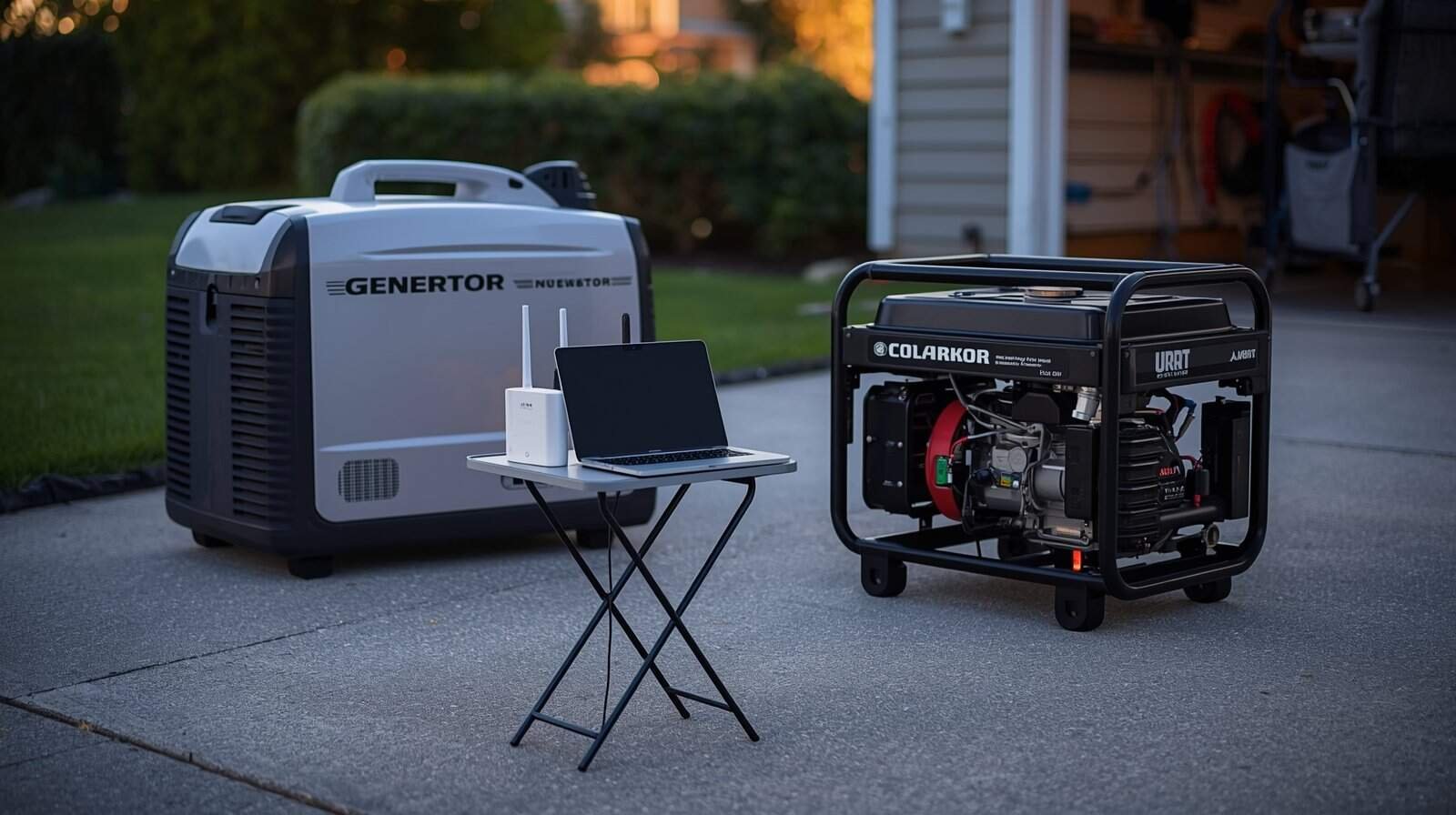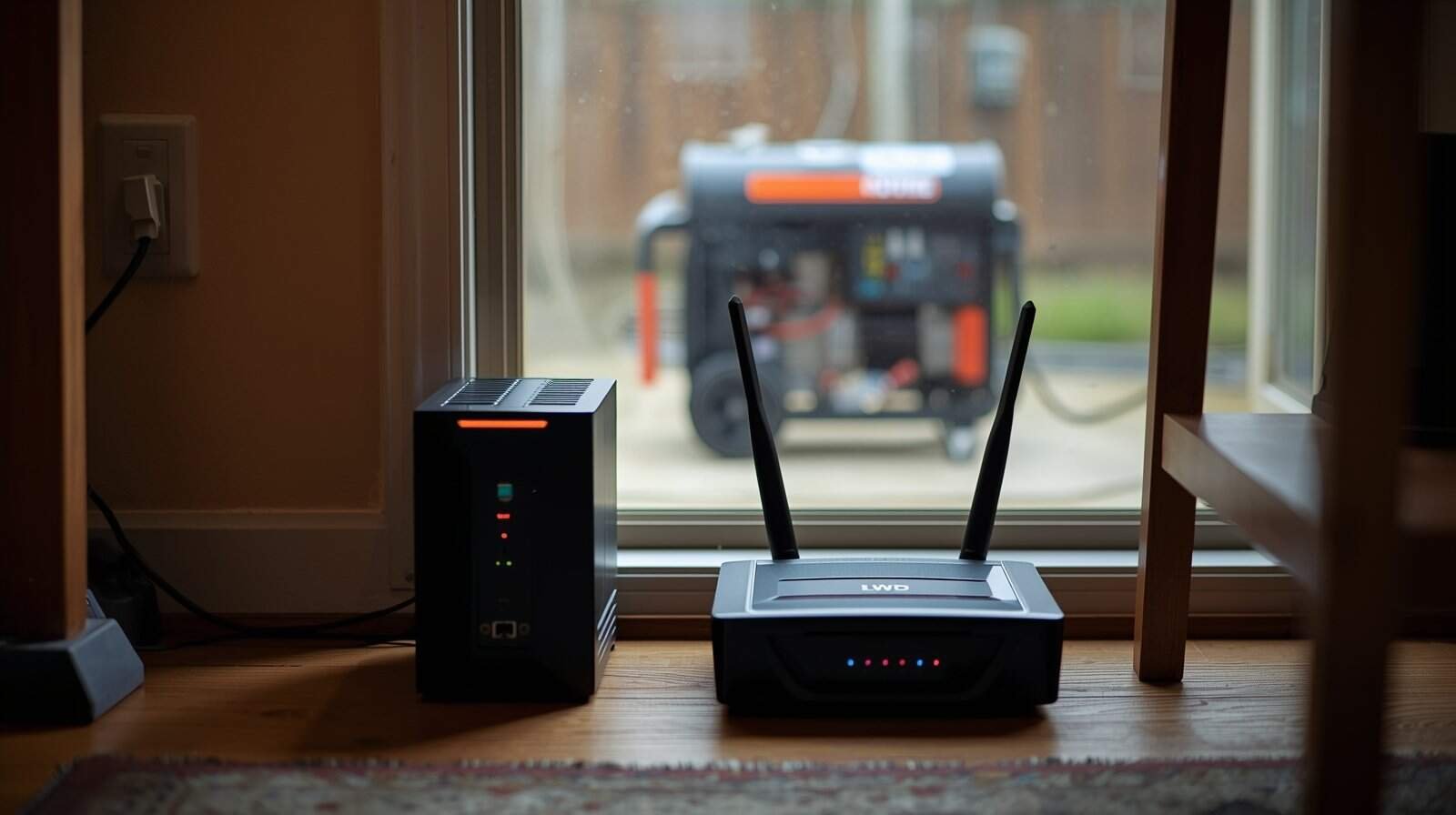

Home safety becomes especially important during power outages and emergency situations. Loss of electricity can introduce new risks related to lighting, heating, fuel use, and electrical systems. This guide focuses on practical steps homeowners can take to reduce hazards and protect their household during outages.
Why power outages increase safety risks
When normal systems are disrupted, homes often rely on temporary solutions such as generators, extension cords, battery lighting, or alternative heating sources. Without proper planning, these can introduce hazards that are not present during normal conditions.
Carbon monoxide safety
Carbon monoxide is one of the most serious risks during outages, especially when generators or fuel-powered equipment are used improperly.
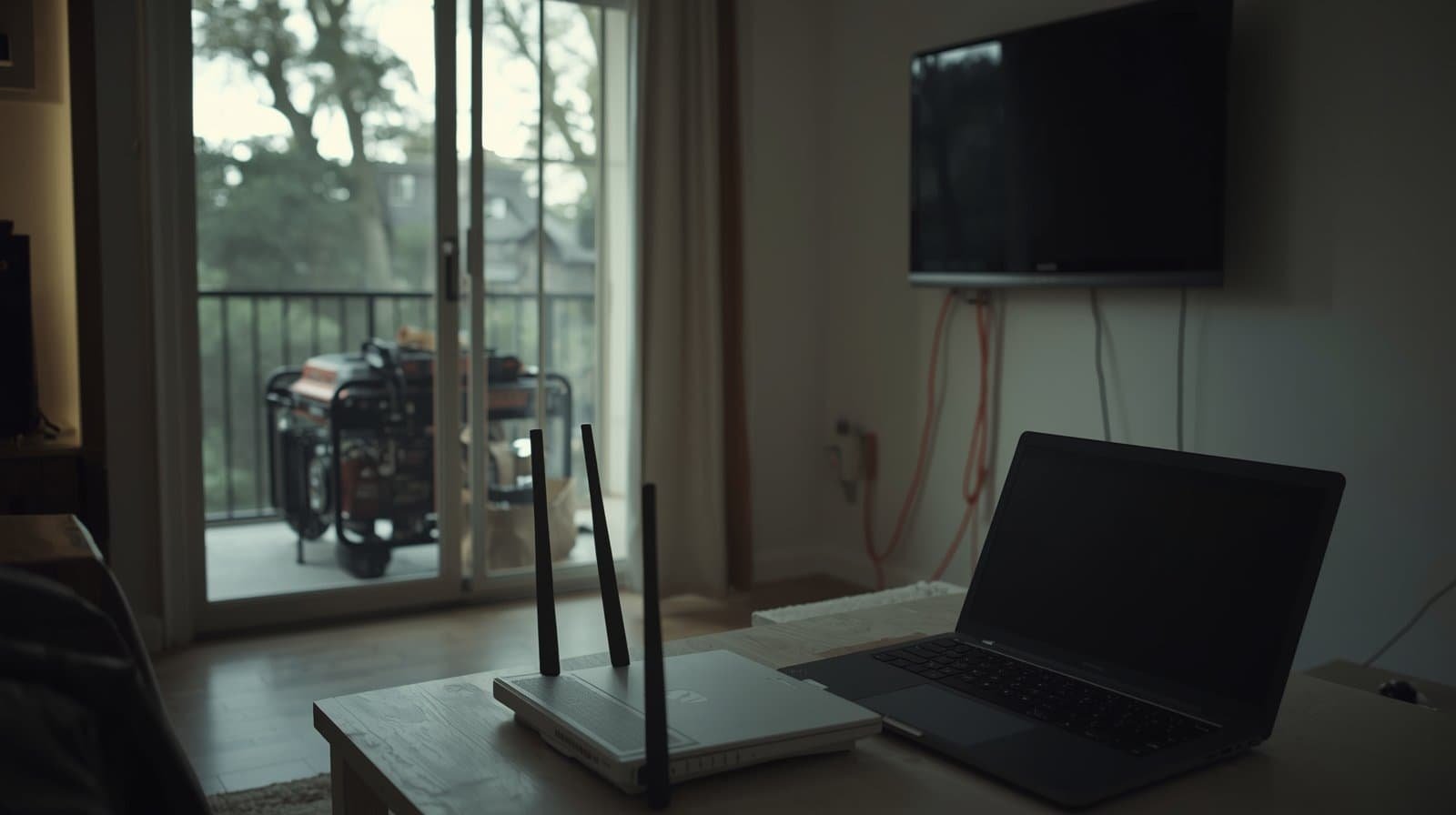
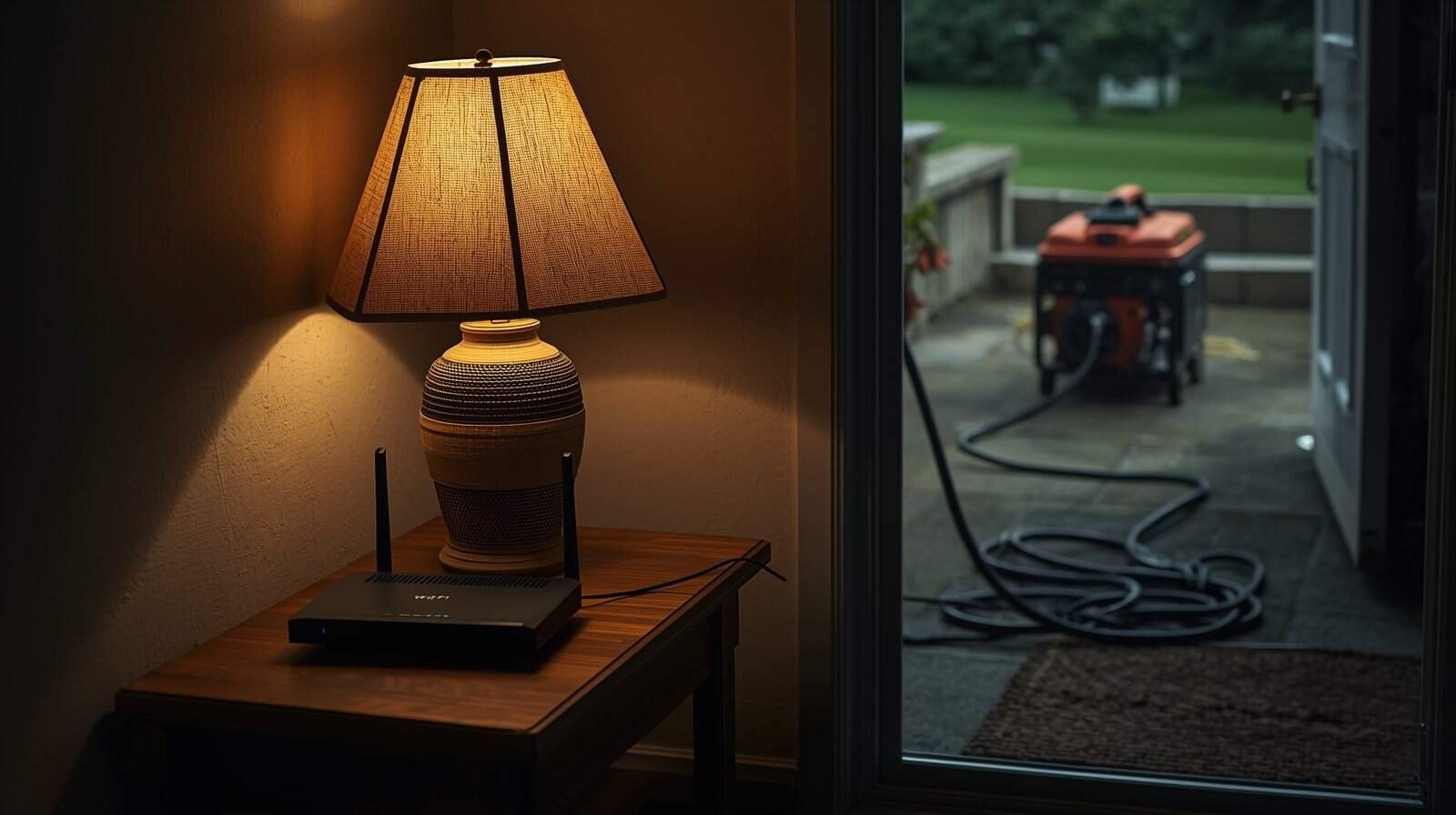
- Operate generators outdoors and away from doors, windows, and vents
- Never run generators in garages, crawl spaces, or near openings
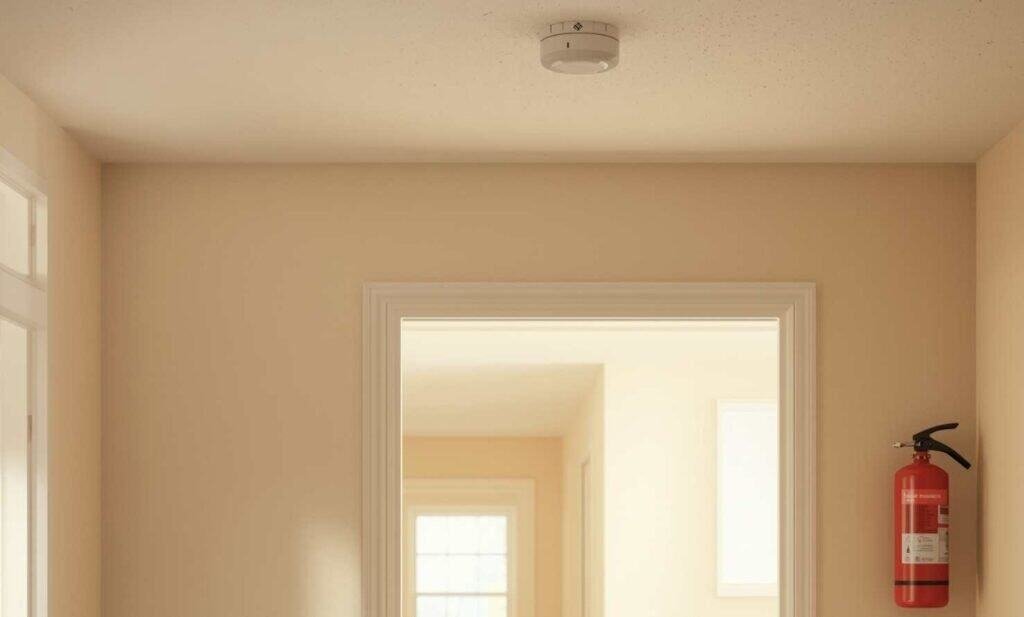
- Install carbon monoxide detectors with battery backup
Electrical safety during outages
Electrical hazards can occur when power is restored or when temporary wiring is used.
- Avoid backfeeding electricity into your home without proper transfer equipment
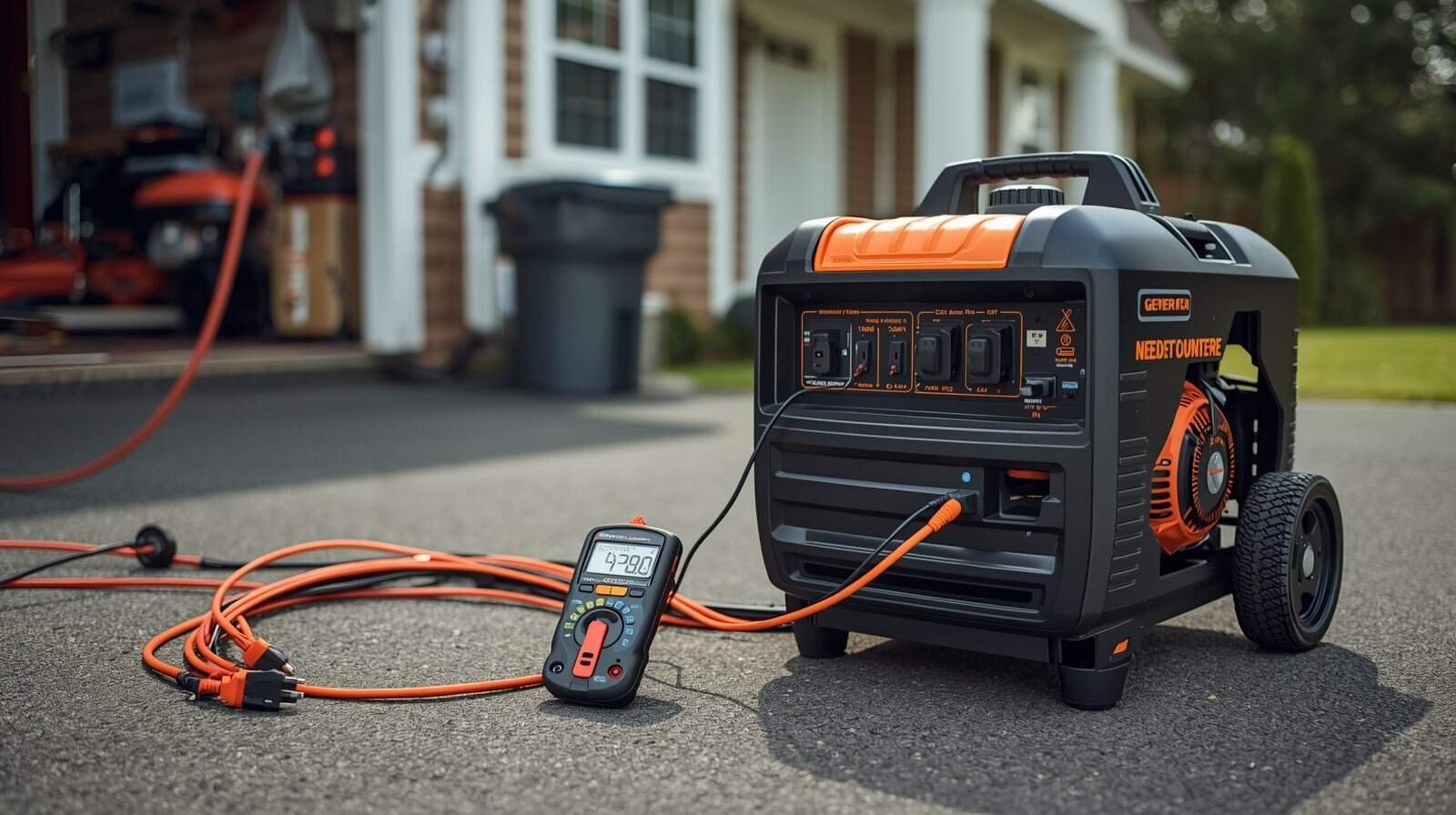
- Use heavy-duty extension cords rated for outdoor use when necessary
- Turn off sensitive electronics before power is restored
Fire prevention and heating safety
Alternative heating and lighting sources can increase fire risk if not used carefully.
- Keep open flames away from flammable materials
- Use flashlights instead of candles whenever possible
- Follow manufacturer guidance for space heaters and fuel appliances
Generator placement and operation
Proper generator placement and operation are essential for both safety and performance.
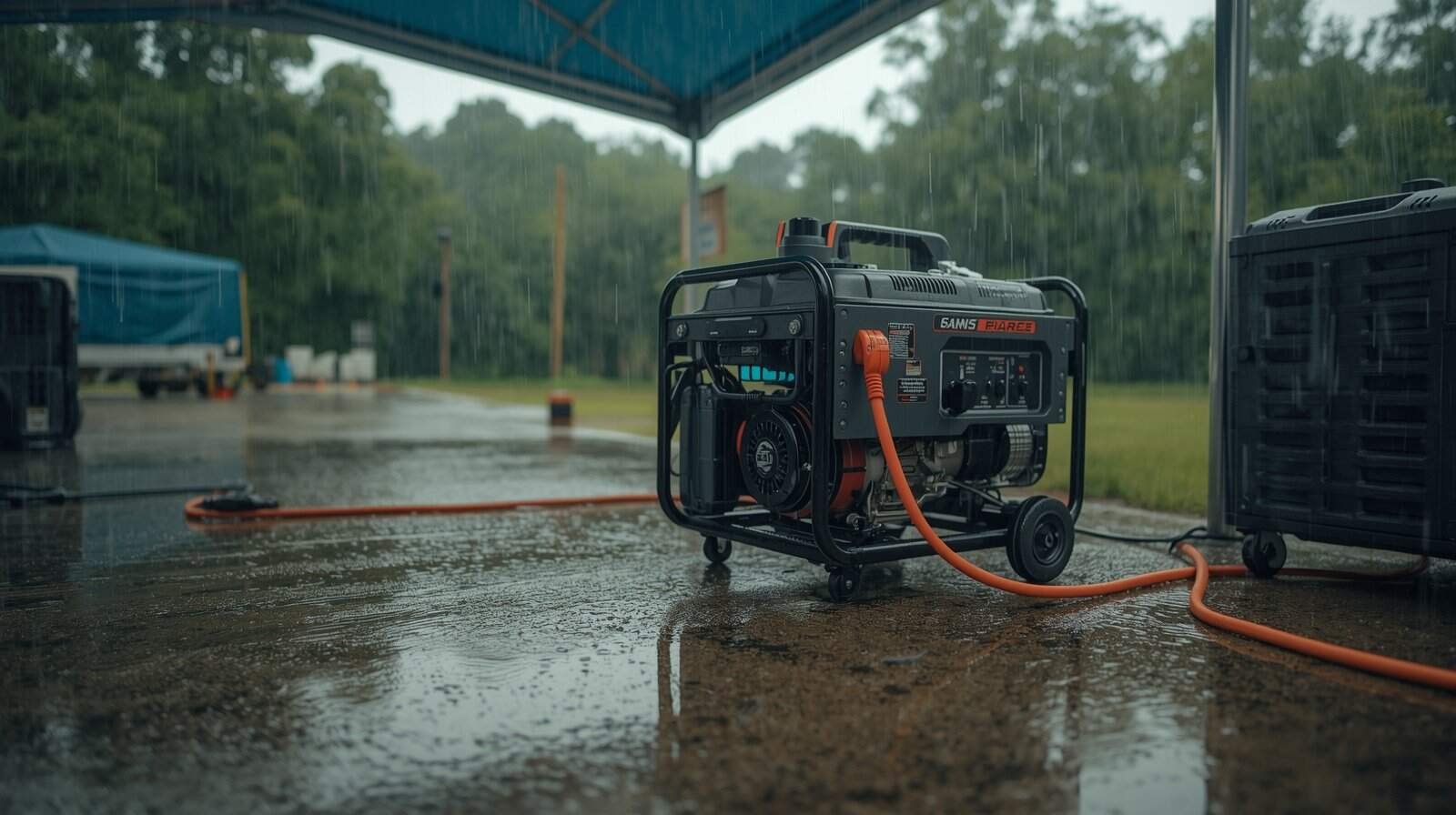
- Place generators on stable, level surfaces outdoors
- Protect generators from rain while maintaining proper ventilation
- Allow generators to cool before refueling
Home awareness and injury prevention
Low-light conditions and disrupted routines can increase the risk of injuries.
- Keep walkways clear and well-lit with battery-powered lighting
- Store emergency supplies in known, accessible locations
- Use caution on stairs and uneven surfaces
Special considerations for children and pets
Children and pets may be more vulnerable during outages.
- Keep dangerous equipment out of reach
- Maintain familiar routines when possible
- Ensure pets have adequate warmth, ventilation, and water
Reviewing and updating safety plans
Safety planning should be reviewed periodically. Test detectors, inspect cords and equipment, and update plans as household needs change.
Frequently asked questions
Are candles safe to use during outages?
Candles can pose fire risks. Battery-powered lighting is generally a safer alternative.
Do I need special safety equipment?
Basic safety equipment such as flashlights, fire extinguishers, and carbon monoxide detectors can significantly reduce risks during outages.
In-depth guides in this section
This safety pillar is supported by focused articles addressing common outage-related hazards such as carbon monoxide exposure, electrical risks, extension cord safety, and fire prevention. As new resources are published, they are organized under the Home Safety categories so you can quickly find guidance for the specific risk you’re trying to reduce.
Safety planning works best when it’s proactive—review your equipment, lighting, and emergency supplies before the next outage, not during it.
Where to go next
If you are preparing your home for outages, explore additional PowerPrepGuide.com resources covering emergency preparedness, backup power solutions, and outage troubleshooting.