


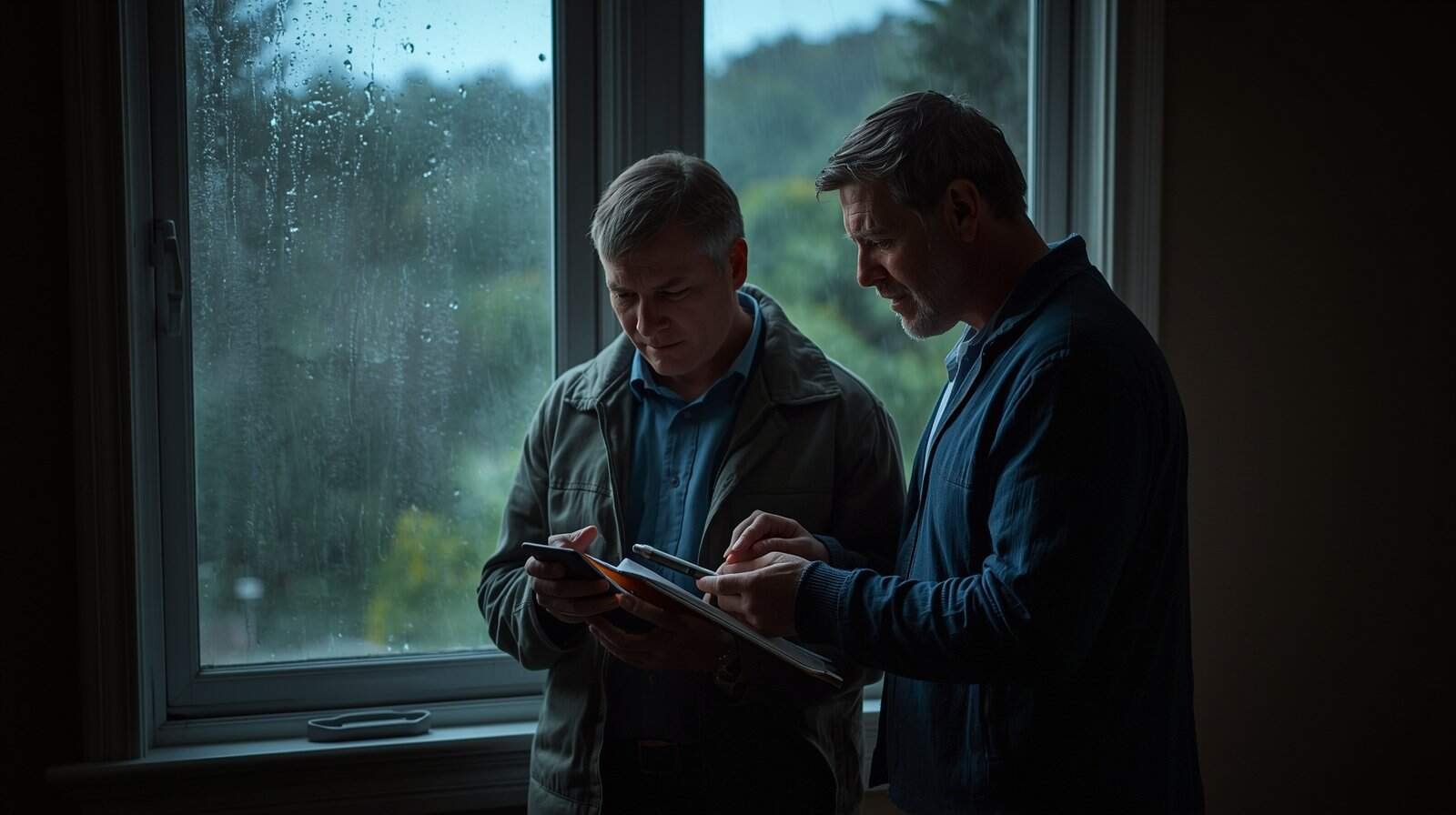
Short answer: Shelter in place when the home remains structurally sound, conditions are stable, and you still have a safe way to manage lighting, communication, temperature, and sanitation. Evacuate when conditions are actively worsening—especially if there is flooding, fire risk, structural damage, dangerous indoor temperatures, or signs the home is no longer safe to occupy.
During power outages and severe weather, one of the most important decisions a household may face is whether to stay put or leave. The safest choice depends on changing conditions, not a single rule or a rushed emotional reaction.
This guide explains how to evaluate that decision calmly and logically so your household can respond based on real risk—not panic, delay, or guesswork.
Why This Decision Matters During Outages
Choosing incorrectly can increase danger in either direction. Leaving unnecessarily may expose a household to flooded roads, falling debris, traffic hazards, or a lack of safe destinations. Staying too long in a deteriorating home can expose people to fire, flooding, smoke, unsafe temperatures, structural failure, or escalating electrical hazards.
That is why this decision should not be treated as all-or-nothing. It is an ongoing safety judgment that may change as the outage continues and weather conditions evolve.
When Sheltering in Place Is Often the Safer Option
Sheltering in place is usually the better option when the home remains structurally sound, dry, reasonably comfortable, and free of active safety threats.
That generally means:
- The home is not flooding or taking on water
- There are no signs of fire, smoke, or dangerous electrical behavior
- Indoor temperatures remain manageable
- You still have basic access to lighting, food, water, communication, and sanitation
Homes that are well prepared are far more capable of sheltering safely for longer periods. For foundational planning, see Home Emergency Preparedness Basics.
Conditions That Mean Evacuation May Be the Safer Choice
Evacuation becomes more likely when conditions are no longer stable or when the home itself is becoming part of the hazard.
Examples include:
- Rising floodwater in or around the home
- Visible structural damage, shifting, or falling materials
- Smoke, burning smell, or active electrical warning signs
- Unsafe indoor temperatures that cannot be managed
- Lack of safe water, sanitation, or communication during a prolonged event
Electrical escalation matters here because some hazards become much more dangerous during outages and restoration events. For that risk pattern, see When Home Electrical Systems Become a Fire Risk.
How Supply Readiness Affects the Decision
Adequate supplies do not make every home safe, but they do greatly affect how long a household can shelter without conditions becoming unsafe. A lack of lighting, communication, clean water, food planning, hygiene supplies, or backup charging can turn a manageable outage into a stressful and risky situation much faster than expected.
Supply readiness is one of the biggest differences between a household that can shelter calmly and one that is forced into last-minute decisions. For a deeper look at that side of preparation, see Power Outage Supply Planning.
Why Current Conditions Matter More Than the Forecast Alone
Forecasts are helpful, but they are not the final decision-maker. Conditions on the ground often change faster than predicted. Roads may flood earlier than expected. Wind damage may worsen quickly. Indoor temperatures may become unsafe even if the forecast did not seem extreme.
That is why households should continuously reassess the real situation around them: what is happening inside the home, outside the home, and on the routes they would need if they had to leave.
Create a Household Decision Framework Before You Need It
The best time to decide “what would make us leave?” is before the emergency starts. Households benefit from discussing evacuation criteria in advance so people are not debating basic safety thresholds in the middle of an outage or storm.
A useful household framework might answer questions like:
- What conditions would make the home unsafe to remain in?
- Who monitors alerts and local conditions?
- Where would we go if we had to leave quickly?
- What signs mean we should leave earlier rather than later?
Clear criteria reduce confusion, delay, and conflict during stressful situations.
Common Mistakes That Delay the Safer Choice
Many households wait too long because they assume conditions will improve “soon” or because they do not want to leave unless absolutely forced. Others leave too early without considering whether travel conditions are actually more dangerous than staying in a stable home.
The most common mistake is not reevaluating. Conditions change. A safe shelter decision at 6 p.m. may no longer be the safe choice at midnight. The safest households are the ones that stay flexible and honest about changing risk.
Conclusion
There is no universal rule for sheltering in place or evacuating during outages and severe weather. The safest decision depends on preparation, the condition of the home, available supplies, and how quickly risk is changing.
By thinking through these criteria in advance and reassessing conditions as events unfold, households can make better decisions that prioritize safety over instinct, delay, or panic.