


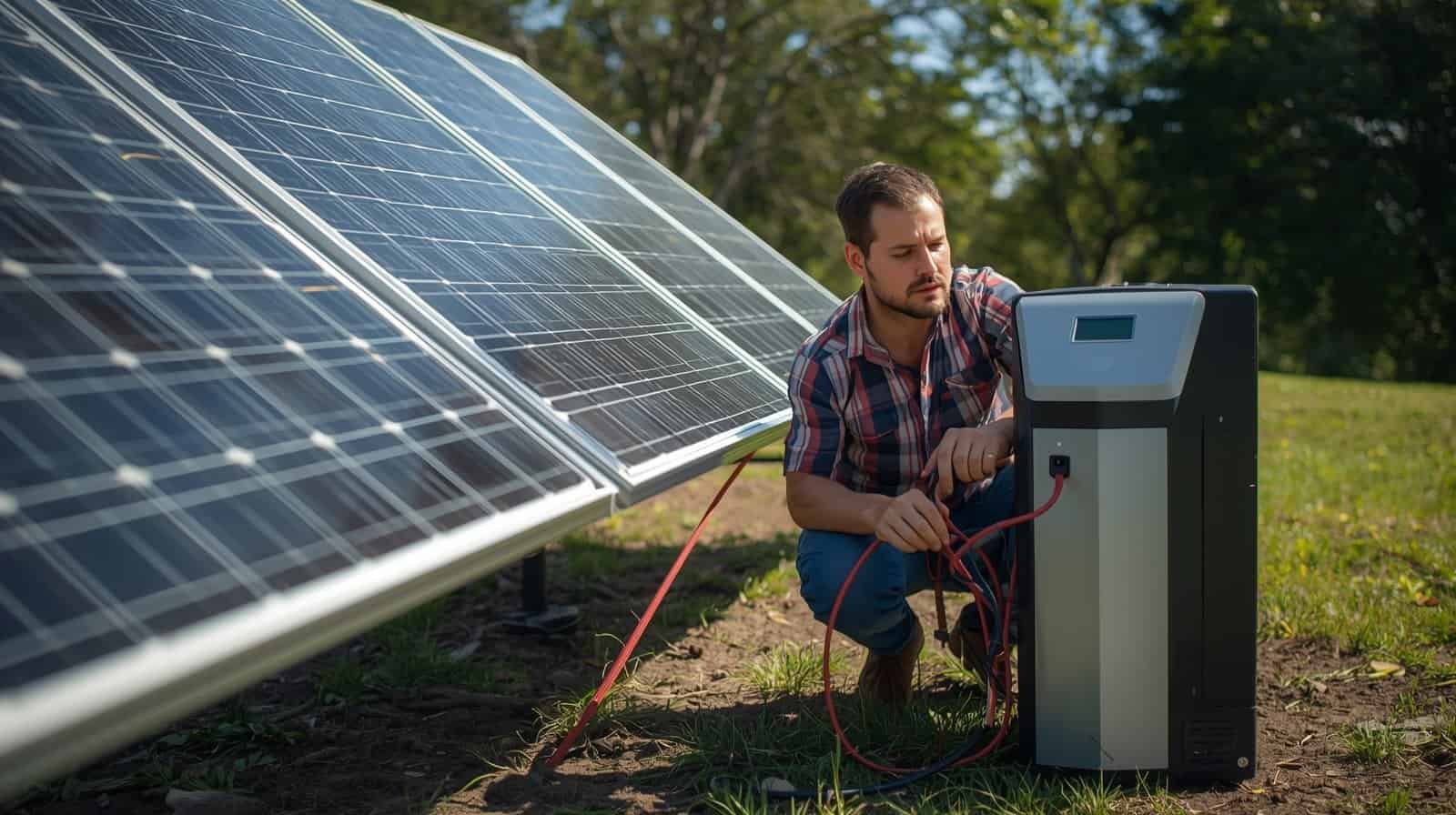
A solar generator that refuses to charge can be frustrating—especially during an outage when sunlight is your primary energy source. Charging problems are usually caused by setup issues, environmental conditions, or component limitations rather than total equipment failure.
Understanding the most common reasons a solar generator is not charging helps you identify what can be safely corrected and when further troubleshooting is not recommended.
What “Not Charging” Usually Means
Charging issues may present in several ways. The battery percentage may not increase, charging indicators may remain inactive, or charging may start briefly and then stop. These symptoms often point to input or environmental factors.
Most Common Causes of Solar Charging Problems
Insufficient sunlight
Solar panels require direct sunlight for effective charging. Overcast skies, shade, or low sun angles dramatically reduce output. Winter conditions further limit charging potential.
Panel positioning issues
Panels that are flat on the ground or poorly angled toward the sun produce significantly less energy. Small adjustments can improve output without additional equipment.
Loose or incompatible connections
Loose cables or incompatible connectors prevent energy transfer. Always ensure connections are secure and compatible with your solar generator’s input specifications.
Battery temperature limits
Many solar generators restrict charging when batteries are too cold or too hot. This protective behavior prevents battery damage but can appear as a charging failure.
Internal charge controller limits
Built-in charge controllers regulate how much solar input the battery can accept. Excess panel capacity does not always translate to faster charging.
Safe Checks You Can Perform
Reposition panels
Adjust panel angle and placement to maximize sun exposure. Avoid shade from trees, buildings, or nearby objects.
Inspect cables and connectors
Check for visible damage, debris, or loose fittings. Replace damaged components before continued use.
Verify operating temperature
If conditions are extreme, allow the generator to warm up or cool down before attempting to charge again.
When to Stop Troubleshooting
If the generator will not charge under ideal sunlight with verified connections and normal temperatures, further attempts may risk damage. Review power station won’t charge for additional context and consider contacting manufacturer support.
How Charging Limitations Affect Runtime
Limited charging capacity affects how long a system can operate over multiple days. Understanding runtime expectations helps avoid overreliance on solar recharging. See how long a solar generator will run for planning guidance.
Conclusion
Solar generator charging issues are often caused by environmental or setup factors rather than equipment failure. Careful inspection and realistic expectations help restore charging safely and maintain reliable backup power.