


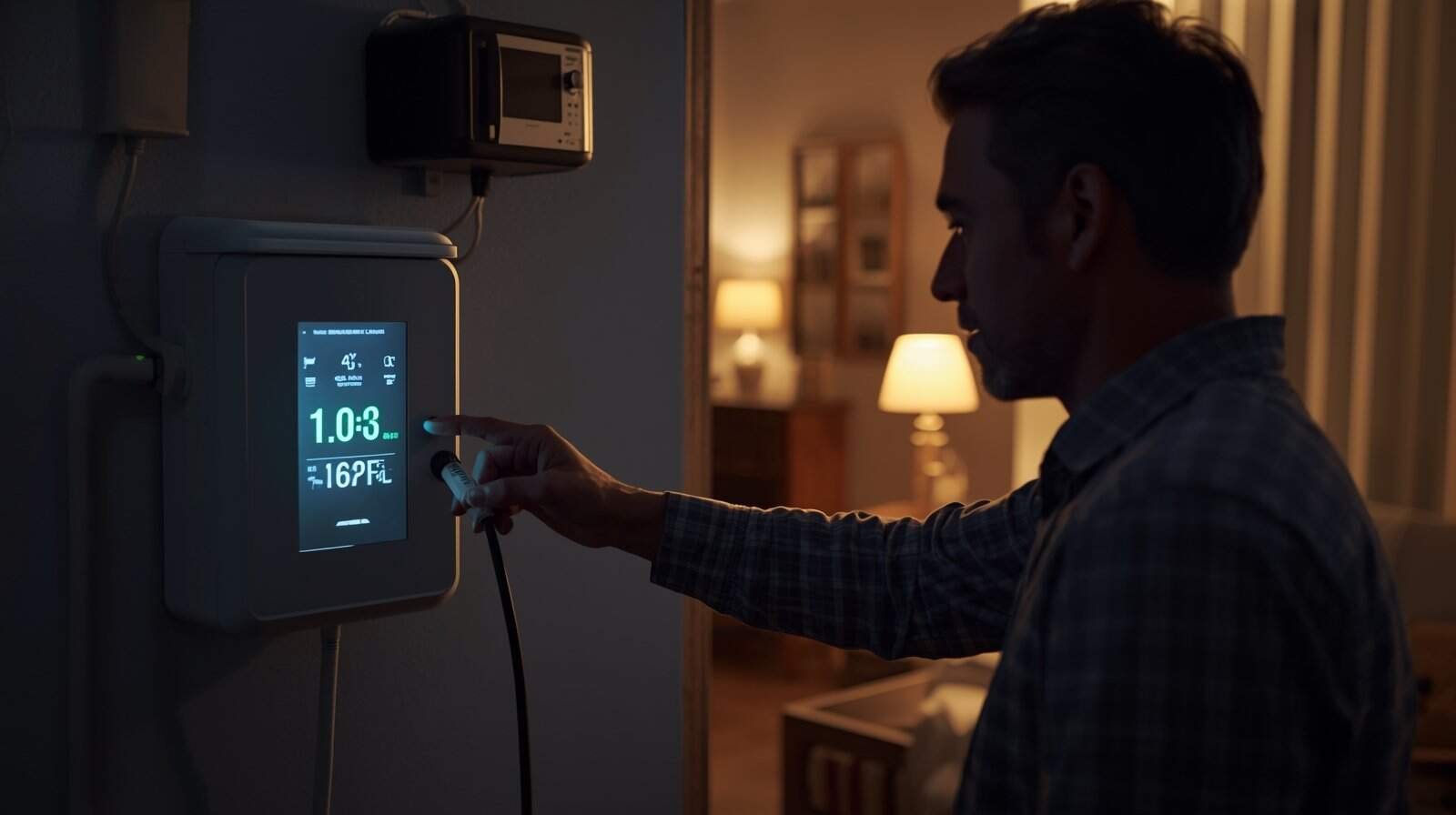
Runtime is one of the most important questions people ask about solar generators—and one of the easiest to misunderstand. Unlike fuel generators, battery-based systems have fixed energy limits that must be managed carefully during outages.
This guide explains how long a solar generator can realistically run, what affects runtime, and how recharging changes expectations over multiple days.
What Determines Solar Generator Runtime
Battery capacity
Solar generator capacity is measured in watt-hours. This number represents the total amount of energy stored. Once depleted, power stops until the battery is recharged.
Connected electrical load
The combined wattage of connected devices determines how quickly stored energy is consumed. Higher loads drain batteries faster.
Inverter efficiency
Some energy is lost when converting stored DC power into AC electricity. Real-world runtime is always slightly less than theoretical calculations.
Typical Runtime Scenarios
Runtime varies significantly depending on the types of devices being powered. If you’re unsure which loads are realistic for battery-based systems, see what a solar generator can power for device-level guidance.
Low-power essentials
Running lights, routers, phones, and laptops can allow a solar generator to operate for many hours or even days with careful load management.
Intermittent appliance use
Refrigerators or freezers may be supported intermittently, but cycling schedules are necessary to conserve energy.
High-demand devices
High-wattage appliances dramatically shorten runtime and are usually impractical for extended use.
The Role of Solar Recharging
Daylight limitations
Solar recharging depends on sunlight availability. Cloud cover, short winter days, and shading significantly reduce charging rates.
Panel capacity matters
Small solar panels may extend runtime slightly, while larger arrays can meaningfully replenish batteries—but rarely fast enough to support continuous heavy loads.
Planning for Multi-Day Outages
Managing expectations is key. Solar generators work best when loads are prioritized and energy use is planned. Understanding broader generator runtime considerations helps frame expectations. See how long a generator can run safely for comparison.
Solar vs Fuel Generator Runtime
Fuel generators can run as long as fuel is available. Solar generators trade extended runtime for quiet, indoor-safe operation and renewable recharging.
Conclusion
A solar generator’s runtime depends on capacity, load, and sunlight availability. With realistic planning and conservative use, these systems can provide reliable essential power during outages.