


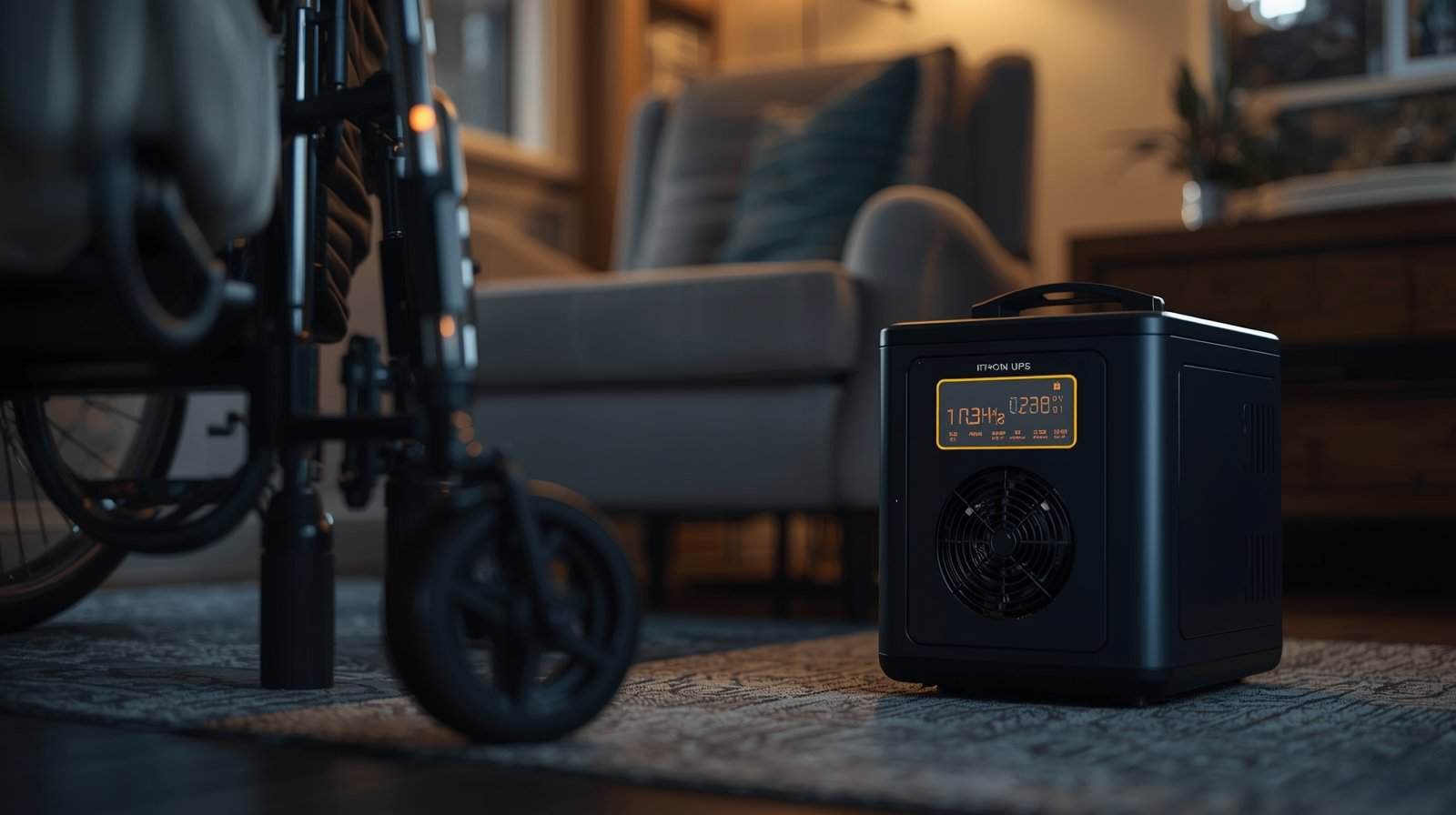
When planning backup power for medical needs, many households consider uninterruptible power supplies (UPS) and portable power stations. While both provide battery-based power, they are designed for very different purposes and offer different levels of safety, runtime, and flexibility.
Understanding the strengths and limitations of each option helps households choose the right solution for medical preparedness.
What a UPS Is Designed to Do
UPS systems are primarily designed to protect computers, servers, and networking equipment from brief power interruptions. They provide instant switchover when grid power fails, preventing sudden shutdowns.
Most consumer UPS units are built for short runtimes, often measured in minutes rather than hours.
What a Portable Power Station Is Designed to Do
Portable power stations are designed to deliver sustained battery power for longer periods. They support a wider range of devices and can operate safely indoors without emissions.
For medical applications, power stations are often used as the primary backup solution rather than short-duration protection.
Runtime Differences That Matter for Medical Use
Runtime is one of the most significant differences between UPS systems and power stations. A UPS may keep a device running long enough to shut down safely, while a power station can support overnight or multi-hour operation.
Safety Considerations for Medical Environments
Both UPS units and power stations are safe for indoor use when operated correctly. However, power stations typically offer higher capacity, clearer runtime expectations, and better adaptability for medical planning.
Using a UPS as Part of a Layered Plan
In some cases, a UPS can play a supporting role by preventing brief interruptions while transitioning to a larger backup system. For broader planning guidance, review backup power for medical devices.
When a Power Station Is the Better Choice
Households relying on CPAP machines, refrigerated medications, or continuous monitoring devices generally benefit from the longer runtimes offered by power stations. See CPAP power outage backup and medication refrigeration during power outages for related planning considerations.
Choosing the Right Option for Your Needs
The right choice depends on how long devices must operate, how critical continuous power is, and whether recharging options are available. In many cases, power stations provide greater peace of mind for medical preparedness.
Conclusion
UPS systems and portable power stations serve different roles. For medical backup power, understanding these differences helps households build safer, more reliable outage plans without unnecessary complexity.