


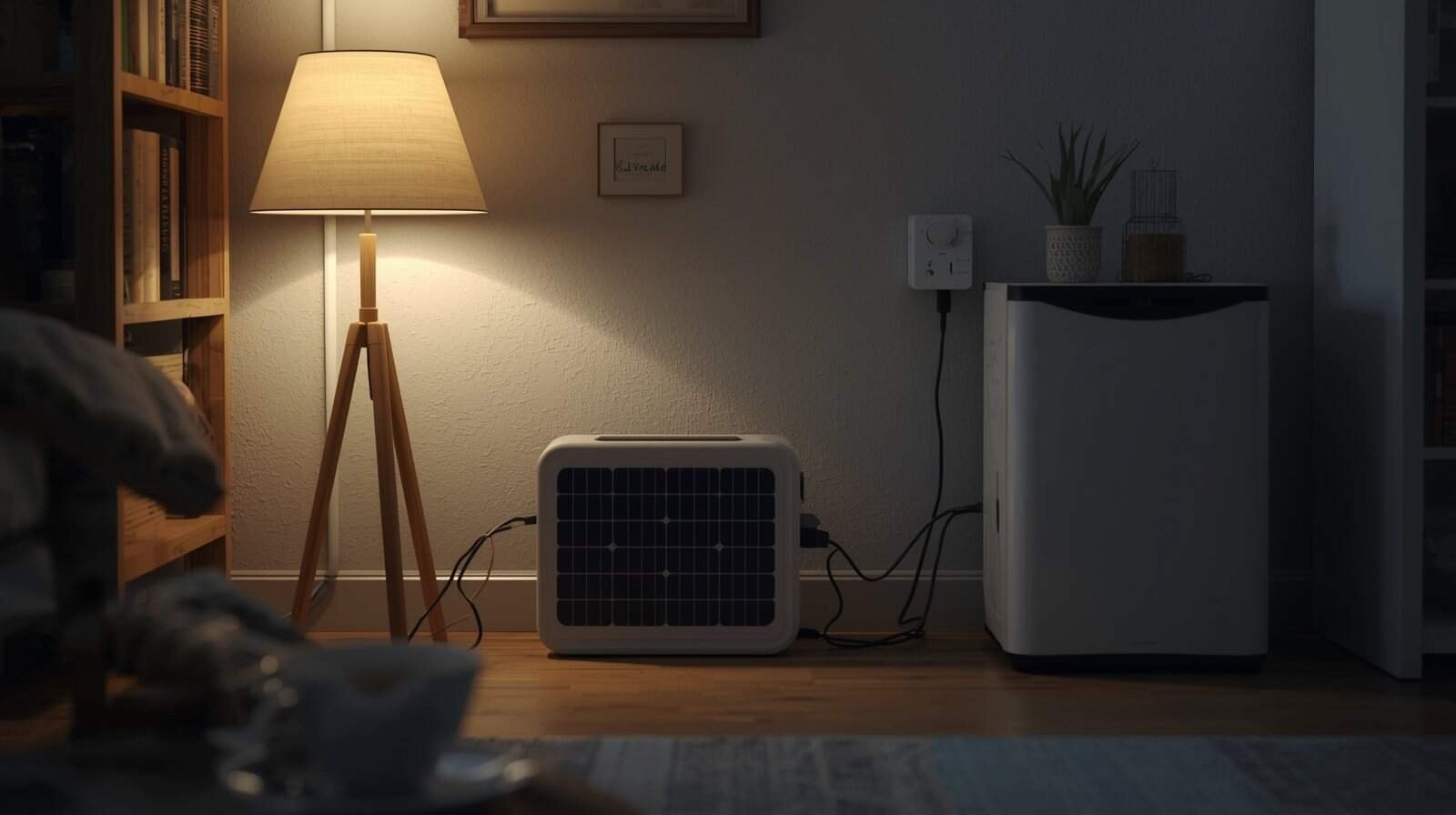
Solar generators are often marketed as clean, quiet alternatives to fuel-powered generators—but expectations don’t always match reality. Understanding what a solar generator can and cannot power helps you plan intelligently and avoid disappointment during an outage.
This guide explains realistic use cases, common limitations, and how to match a solar generator to your actual needs.
What Determines What a Solar Generator Can Power
Battery capacity
The internal battery stores a finite amount of energy, measured in watt-hours. Once depleted, devices shut off unless the battery is recharged. Capacity is the primary limiter of runtime.
Inverter output
The inverter determines how much power can be delivered at once. Even a large battery cannot run high-demand appliances if inverter output is limited.
Connected load
The total wattage of connected devices determines how quickly the battery drains. Running multiple devices simultaneously shortens runtime.
Devices Solar Generators Handle Well
Communication and electronics
Phones, laptops, routers, modems, and radios are ideal loads. These devices draw relatively little power and benefit from clean, quiet operation.
Lighting
LED lights consume minimal power, making them excellent candidates for solar generators during outages.
Medical and essential equipment
Many low-wattage medical devices can be supported, but always confirm power requirements before relying on a solar generator for critical needs.
Devices That Require Careful Planning
Even when average wattage appears manageable, startup surges can exceed inverter limits and cause shutdowns.
Refrigerators and freezers
Modern, efficient refrigerators can sometimes be powered intermittently. Startup surges and continuous operation significantly affect runtime.
Small kitchen appliances
Devices such as coffee makers or microwaves draw high power briefly and can drain batteries quickly if used frequently.
Devices Solar Generators Typically Cannot Support
Electric heating and cooling
Space heaters, electric water heaters, and central air conditioners exceed the practical limits of most solar generators.
Large motor-driven tools
Well pumps, large compressors, and heavy-duty power tools often require more startup current than battery-based systems can deliver.
Planning for Realistic Runtime
Understanding runtime expectations is critical. Cycling loads, prioritizing essentials, and avoiding unnecessary devices extends usability. For broader context, see what size generator you need.
Solar Generator vs Fuel Generator Expectations
Solar generators excel at quiet, indoor-safe power for essentials. Fuel generators provide higher output and longer runtimes but require ventilation and fuel management. For terminology clarification, see solar generator vs power station.
Conclusion
A solar generator can power many essential devices reliably when expectations are realistic. Matching capacity and output to your actual needs ensures backup power remains helpful rather than frustrating during outages.