


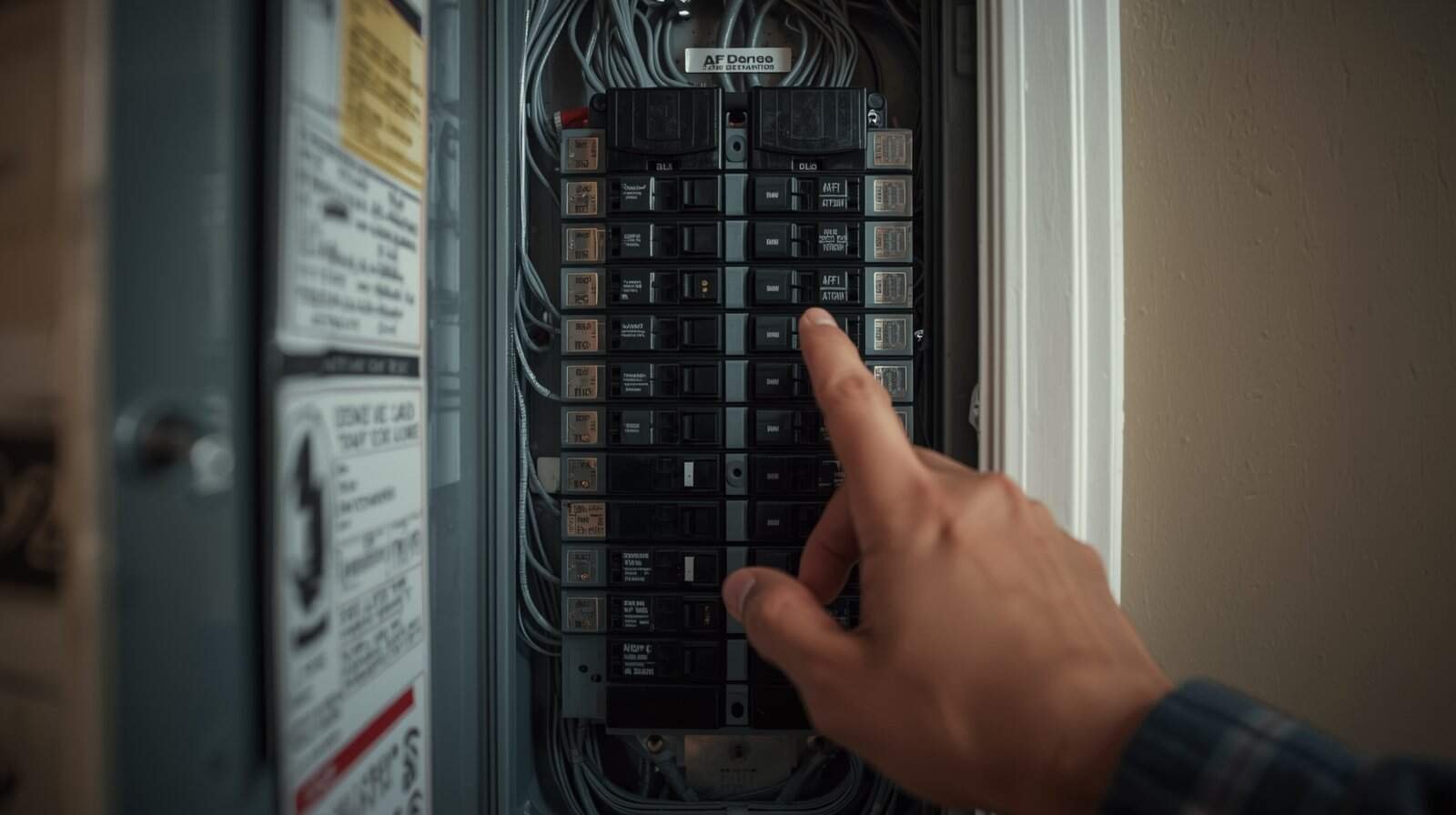
Arc-fault circuit interrupter (AFCI) breakers are designed to detect dangerous electrical arcing that standard breakers may miss. After a power outage, homeowners may find that an AFCI breaker trips immediately or repeatedly when power is restored.
This behavior can be confusing, especially if other breakers remain stable. Understanding how AFCI protection works helps explain why these trips occur after outages.
How AFCI Breakers Differ From Standard Breakers
Unlike standard breakers that respond primarily to overloads and short circuits, AFCI breakers monitor electrical waveforms for arc patterns that indicate potential fire hazards.
Power restoration can introduce electrical noise or transient conditions that AFCIs interpret as unsafe, triggering a trip.
Common Post-Outage Triggers for AFCI Trips
Damaged cords, loose connections, and aging wiring are more likely to produce arc signatures after an outage. Restoration surges may also expose weaknesses that went unnoticed before.
Appliances and Devices That Affect AFCI Circuits
Vacuum cleaners, treadmills, power tools, and certain appliances can generate electrical noise that triggers AFCI protection—especially when restarting after an outage.
Environmental Factors After Storms
Moisture intrusion and debris can affect wiring and devices connected to AFCI-protected circuits. These conditions increase the likelihood of arc faults after restoration.
Safe Steps to Identify the Cause
Unplug devices on the affected circuit, reset the AFCI breaker, and reconnect items one at a time. Stop if the breaker trips again.
Related breaker behavior is discussed in breaker trips after power is restored, while ground-fault patterns are covered in GFCI keeps tripping after an outage.
When AFCI Tripping Signals a Serious Issue
Persistent tripping with no devices connected, burning odors, or visible damage suggest wiring problems that require professional evaluation.
When to Call an Electrician
If troubleshooting does not resolve the issue, or if safety symptoms are present, professional help is recommended.
Clear escalation guidance is available in when to call an electrician after an outage.
Conclusion
An AFCI breaker that trips after power restoration is often responding to real electrical risks. Understanding post-outage triggers helps homeowners respond safely and avoid unnecessary resets.