


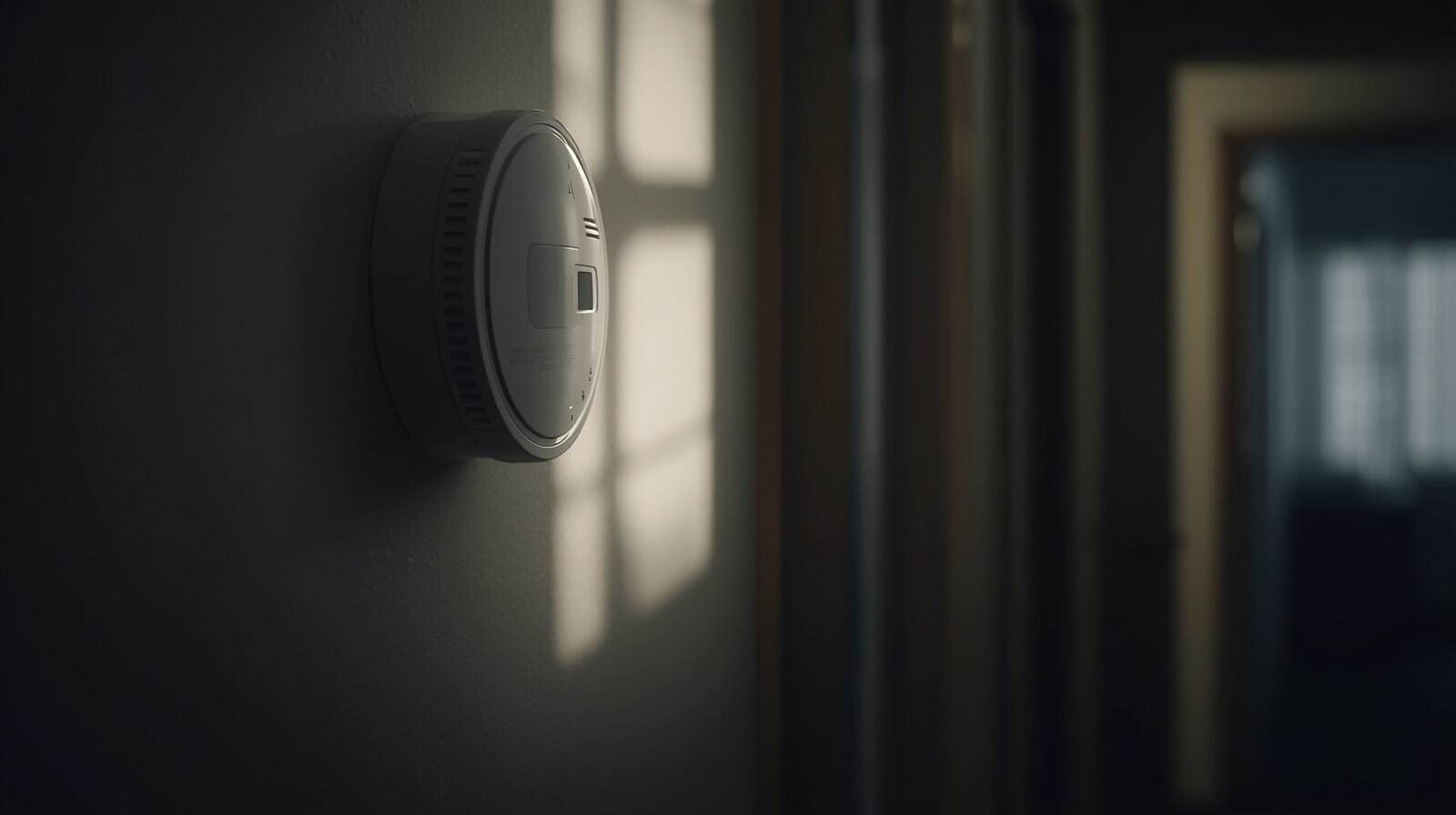
Carbon monoxide detectors play a critical role during power outages, but many homeowners misunderstand how these devices behave under emergency conditions. When power is lost, normal airflow patterns change, backup heating or power sources are introduced, and detector reliability becomes more important than ever. A detector that works well under everyday conditions may not provide the same protection if it is poorly placed or improperly powered during an outage.
This guide explains how carbon monoxide detectors should be thought about specifically in outage scenarios. It focuses on placement, alarm behavior, and common mistakes that reduce effectiveness at the exact moment protection is needed most.
If you are new to carbon monoxide safety during outages, start with Carbon Monoxide During Power Outages: Hidden Sources, Risks, and How to Stay Safe, which provides a broader overview of sources and risks.
Why detectors matter more during outages: Power outages often introduce combustion sources and reduce ventilation at the same time. Carbon monoxide detectors are frequently the only warning that something is wrong before symptoms appear.
Proper placement and power backup determine whether a detector provides early warning or fails silently.
How Power Outages Change Carbon Monoxide Risk
During a power outage, homes behave differently. Ventilation fans stop working, furnaces may shut down, and people rely on alternative heating or power sources. These changes can allow carbon monoxide to accumulate more easily, especially in well-sealed homes or during cold weather.
Detectors that are rarely tested or placed only where code required years ago may not be positioned where risk actually develops during an outage. Understanding how your home changes under these conditions helps explain why placement matters so much.
Types of Carbon Monoxide Detectors and Outage Reliability
Not all carbon monoxide detectors respond the same way during a power outage. Plug-in models without battery backup may stop working entirely. Hardwired detectors may rely on backup batteries that are rarely checked. Battery-only detectors remain operational but can fail if batteries are weak or expired.
From a safety standpoint, the most important factor is whether the detector remains powered throughout the outage. Detectors that lose power provide no warning, even if carbon monoxide levels rise rapidly.
Regardless of detector type, regular testing and battery replacement are essential, especially before seasons when outages are more likely.
Where Carbon Monoxide Detectors Should Be Placed During Outages
Detector placement is often misunderstood. During outages, carbon monoxide can enter living spaces from unexpected directions, including near sleeping areas, hallways, or rooms adjacent to garages or mechanical spaces.
Detectors should be positioned where people spend time and where air flows naturally during emergency conditions. Hallways outside bedrooms, near stairwells, and on each level of the home are common recommendations. Homes with attached garages deserve special attention because exhaust gases can migrate indoors.
Placement decisions should also consider how backup power equipment is used. For example, generator exhaust positioning and distance from the home directly affect where carbon monoxide may enter. See How Far Should a Generator Be From the House? Safety Distances Explained for more on this relationship.
What Carbon Monoxide Alarms Mean During an Outage
When a carbon monoxide detector alarms during a power outage, it should never be ignored or silenced without investigation. Even if symptoms are mild or absent, an alarm indicates that levels have reached a point where continued exposure is unsafe.
Some homeowners assume alarms are false during outages because conditions feel chaotic. In reality, outages increase the likelihood that an alarm reflects a real and developing hazard. Responding quickly can prevent serious health effects.
If a detector alarms, move everyone to fresh air immediately and stop using combustion equipment until the source is identified.
Common mistake: Removing batteries or unplugging a detector because it alarms during an outage eliminates the only early warning system you have.
Treat alarms as information, not inconvenience.
How Generator Use Interacts With CO Detectors
Portable generators are one of the most significant carbon monoxide sources during outages. Even when placed outdoors, exhaust can be pulled back toward the home through doors, windows, or vents. Detectors often alarm before homeowners notice anything unusual.
If you use a generator, review Generator Carbon Monoxide Safety: What Every Homeowner Needs to Know to understand placement, exhaust behavior, and monitoring.
Detectors located near sleeping areas are particularly important when generators are running overnight, when people are less likely to notice early symptoms.
When Detector Issues Point to a Larger Safety Problem
Repeated alarms, alarms that seem to occur only during outages, or detectors that fail to function when tested may indicate a broader safety issue. This could involve equipment placement, ventilation problems, or electrical issues affecting detector power.
While detector alarms themselves are not electrical failures, outages can expose underlying problems in the home’s systems. If you are unsure whether detector behavior is linked to wiring, ventilation, or equipment placement, professional evaluation may be warranted.
For guidance on when conditions have moved beyond observation and require outside help, see When to Call an Electrician After an Outage: Clear Signs You Shouldn’t Ignore.