


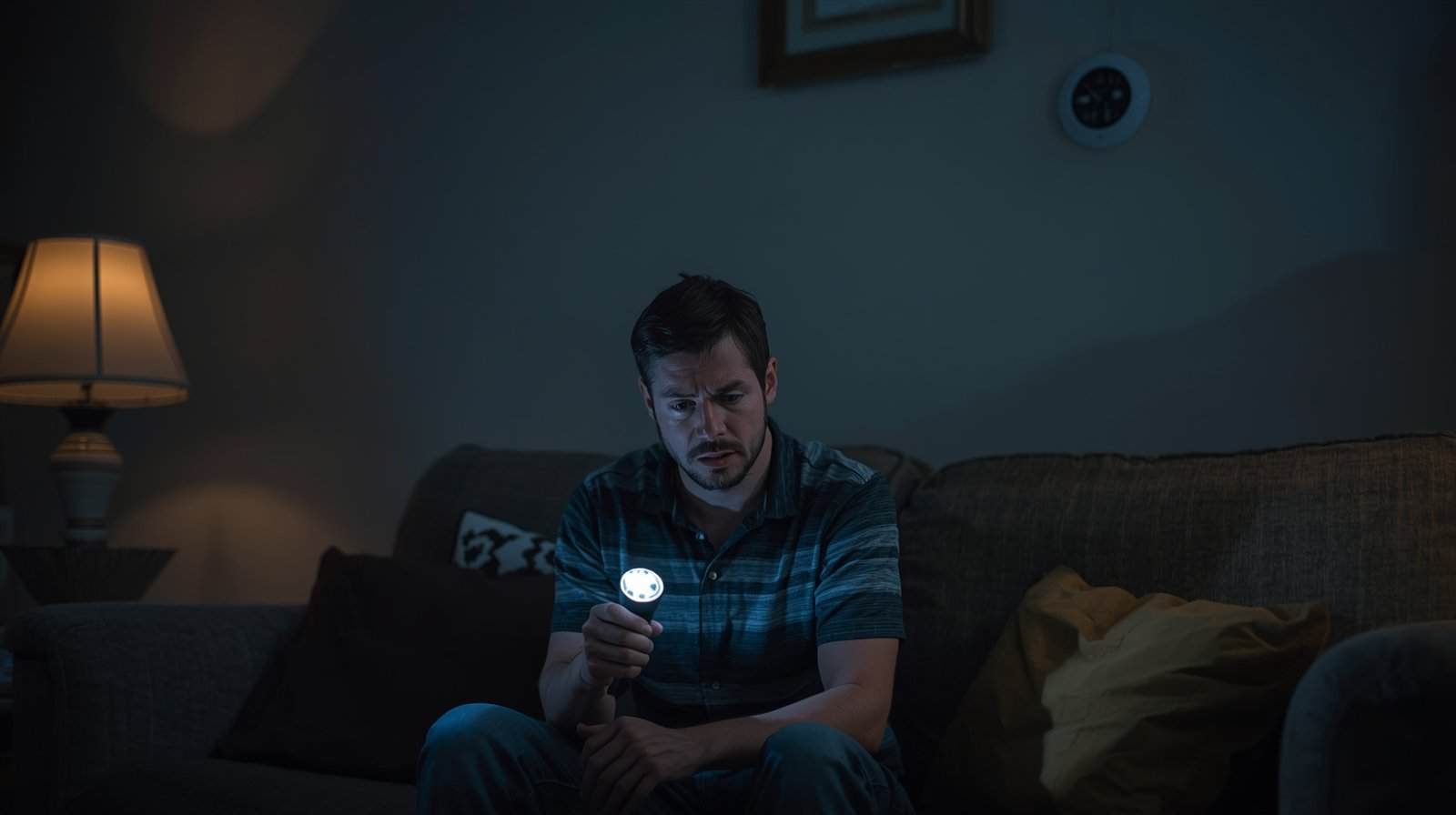
Carbon monoxide (CO) is one of the most dangerous risks during power outages because it can build up quietly and make you feel “off” before you realize you’re in trouble. The hardest part is that early symptoms often resemble stress, fatigue, or the flu—especially when the house is cold, routines are disrupted, and people are running on little sleep.
This guide focuses on symptoms: what carbon monoxide poisoning can feel like, why it’s easy to miss during outages, and the moments when the safest move is to leave first and figure things out later.
Why CO Symptoms Are Easy to Miss During a Power Outage
Outages create the perfect conditions for carbon monoxide to be overlooked. People may use alternative heat sources, run generators longer than usual, or cook in ways they typically wouldn’t. At the same time, stress and discomfort can make mild symptoms feel “normal.”
CO is also deceptive because it doesn’t irritate you the way smoke does. You can be exposed without coughing, without burning eyes, and without any obvious smell. That’s why understanding the broader outage risk picture matters—especially when you’re using fuel-burning equipment or adjusting how you heat and ventilate your home.
If you want a big-picture overview of where CO comes from during outages, start with Carbon Monoxide During Power Outages: Hidden Sources, Risks, and How to Stay Safe.
Early Warning Signs People Commonly Describe
Carbon monoxide poisoning doesn’t feel the same for everyone, but there are common patterns. Early symptoms are often subtle, and many people try to “push through” them—especially when they’re busy managing an outage.
- Headache that is unusual, persistent, or worsening
- Dizziness, lightheadedness, or feeling unsteady
- Nausea or upset stomach that doesn’t fit what you ate
- Weakness or heavy fatigue that feels disproportionate
- Shortness of breath or a feeling of not getting a full breath
- Difficulty concentrating or a “foggy” feeling
One of the most important clues is timing and location: symptoms that get worse indoors, improve when you step outside, or show up soon after you start using a fuel-burning source.
Red-Flag Patterns That Should Trigger Immediate Exit
Single symptoms can be ambiguous. Patterns are what make CO risk stand out. If any of the situations below apply, the safest decision is to leave the home right away and get to fresh air.
- More than one person in the home develops symptoms at the same time
- Symptoms improve outside and return when you go back indoors
- A CO alarm sounds (even if you “feel fine”)
- Anyone is confused, hard to wake, fainting, or acting unusually
- Symptoms appear after using a generator, heater, grill, fireplace, or vehicle in/near a garage
These patterns matter because carbon monoxide exposure often affects groups, not just individuals—especially in closed-up homes during cold weather.
When CO Exposure Looks Like the Flu (And How to Tell the Difference)
During outage season, many households assume “we’re coming down with something.” CO can mimic flu symptoms, especially headache, nausea, and fatigue. But there are differences that should raise suspicion.
- CO symptoms often come on after a change in equipment use (generator started, heater used, fireplace lit).
- CO symptoms often improve when you leave the house for fresh air.
- Flu symptoms often include fever, sore throat, body aches, or cough (CO exposure typically does not).
Symptoms in Children, Older Adults, and High-Risk Households
Some people are more vulnerable to carbon monoxide exposure. Children breathe faster than adults, which can increase dose exposure in the same environment. Older adults and people with heart or lung conditions may feel symptoms sooner and more severely.
That doesn’t mean you need to “wait for worse symptoms” before acting. In high-risk households, the right standard is: when in doubt, leave. It’s far safer to step outside and reassess than to stay inside hoping symptoms pass.
What To Do If You Suspect Carbon Monoxide Exposure
PowerPrepGuide doesn’t provide medical treatment instructions, but there are safe, homeowner-appropriate steps that apply in any suspected CO situation:
- Get everyone outside to fresh air immediately.
- Call emergency services if anyone has severe symptoms, loses consciousness, has chest pain, or is hard to wake.
- Do not ignore alarms or attempt to “air it out” while staying inside.
- Do not re-enter until professionals say it’s safe, especially if symptoms were significant.
If your CO alarm is part of the confusion—where it should be placed, why nuisance alarms happen, and what common mistakes look like—see Carbon Monoxide Detectors During Power Outages: Placement, Alarms, and Common Mistakes.
Common Outage Scenarios That Create CO Symptoms
Most CO symptom events during outages trace back to a handful of common situations. You don’t need to “diagnose” which one it is while you’re inside the home. But you do want to know what tends to be involved so you can prevent repeat risk.
Indoor heaters used in the wrong way
Some heaters are designed for indoor use, some are not. People also improvise ventilation or run equipment longer than intended when the house is cold. If symptoms show up during alternative heating, treat it as a serious warning sign.
Related: Indoor Heaters During Power Outages: Carbon Monoxide Risks Homeowners Miss.
Generators too close to the home
Generator exhaust can drift toward doors, windows, vents, attics, crawlspaces, and garages—especially in still air or when snow and wind patterns push exhaust back toward the structure. Symptoms can show up even if the generator is outdoors.
If you’re managing an outage, think in this order: 1) get to fresh air, 2) get help if needed, 3) investigate later. That sequence protects your household from the most dangerous “silent” emergency in outage season.