


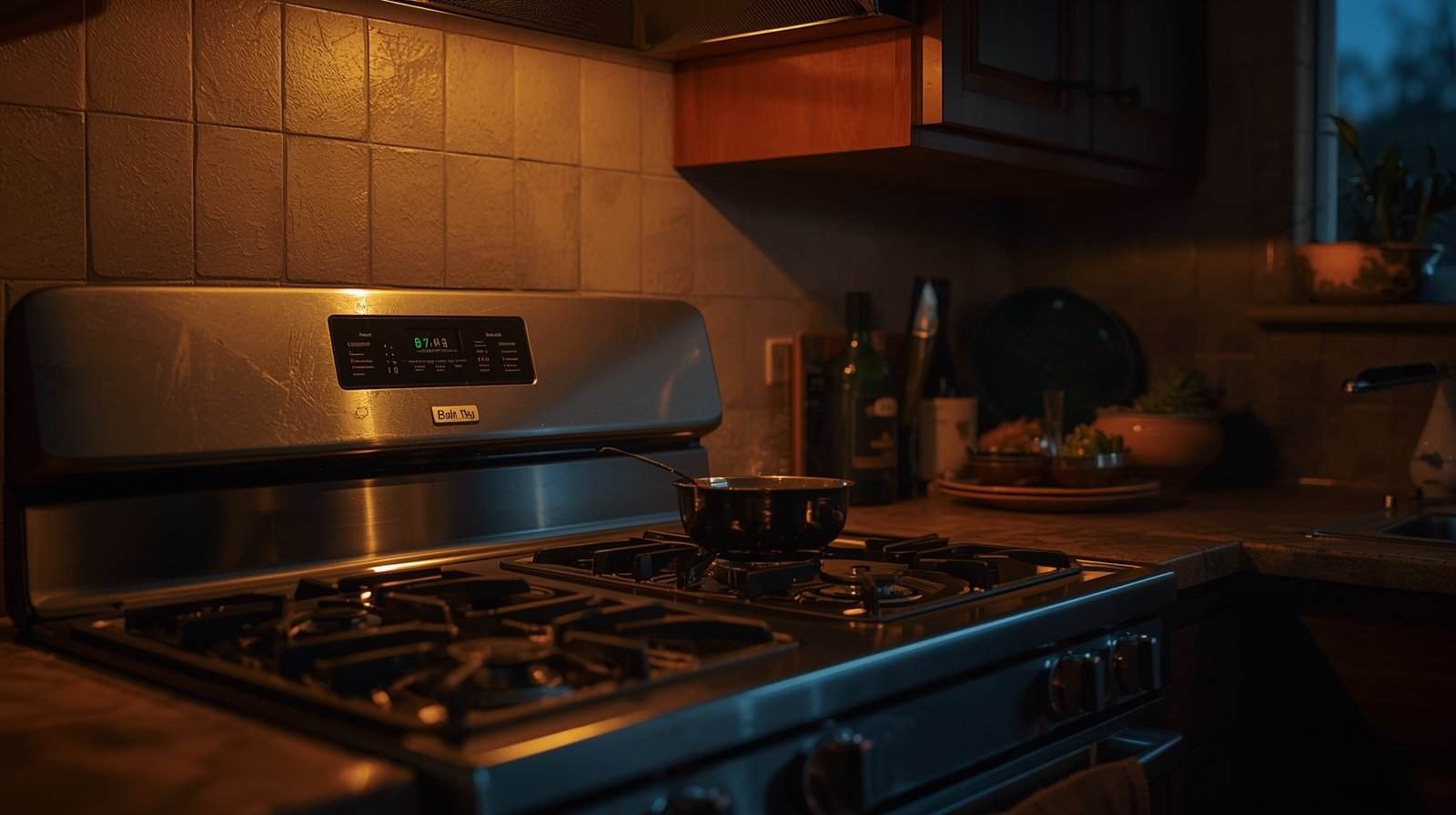
Cooking during a power outage often looks harmless, especially when familiar appliances or outdoor equipment are brought inside for convenience. When normal cooking routines are disrupted, people tend to improvise, using grills, gas stoves, or fireplaces in ways they would never consider under normal conditions. These changes can introduce carbon monoxide into the home without obvious warning signs.
This article explains why common cooking methods behave differently during outages, how carbon monoxide risk develops, and which assumptions about ventilation tend to fail when power is lost.
For a broader overview of carbon monoxide sources during outages, see Carbon Monoxide During Power Outages: Hidden Sources, Risks, and How to Stay Safe.
Why cooking deserves special attention: Cooking appliances are often used in enclosed spaces, close to people, and for extended periods during outages. These factors make carbon monoxide buildup more likely than many homeowners expect.
Smoke is visible and smells strong, but carbon monoxide is invisible and odorless.
Why Power Outages Change Cooking Safety
During outages, kitchens become improvised spaces. Ventilation fans may not work, range hoods lose power, and windows stay closed to conserve heat. These changes reduce the home’s ability to clear combustion gases.
At the same time, cooking methods shift. Outdoor grills may be moved closer to the home, gas stoves may be used for warmth, and fireplaces may serve dual purposes. Each change alters how carbon monoxide behaves indoors.
Grills and Outdoor Cooking Equipment Indoors
Charcoal and propane grills are designed strictly for outdoor use. When used indoors or in garages, even briefly, they can produce dangerous carbon monoxide levels quickly. Opening a garage door or window does not reliably prevent gas buildup.
Garages are especially hazardous because exhaust gases can migrate into living spaces through shared walls or ceilings. Even detached garages can trap carbon monoxide long enough to create exposure risk when doors are opened.
Gas Stoves and Ovens Used Beyond Cooking
Gas stoves and ovens are often perceived as safer alternatives because they are designed for indoor use. However, they are not intended to heat spaces or operate for extended periods without proper ventilation.
During outages, using a gas stove as a heat source can significantly increase carbon monoxide levels, especially when ventilation systems are offline. Symptoms may develop gradually and be mistaken for stress or fatigue.
Fireplaces and Wood-Burning Appliances
Fireplaces and wood-burning stoves can also contribute to carbon monoxide risk if airflow is disrupted. Blocked chimneys, downdrafts, or pressure changes caused by weather can push exhaust back into the home.
Outage conditions, including cold temperatures and snow accumulation, increase the likelihood of poor draft behavior. Carbon monoxide detectors provide essential warning when combustion gases fail to exit as intended.
For guidance on detector behavior during outages, review Carbon Monoxide Detectors During Power Outages: Placement, Alarms, and Common Mistakes.
Common misconception: Seeing smoke means danger, while no smoke means safety. Carbon monoxide can reach dangerous levels long before any visible signs appear.
Never rely on smell or sight to judge safety.
When Cooking-Related CO Risk Requires Action
Carbon monoxide alarms during cooking should be taken seriously, especially during outages when ventilation is limited. Turning off appliances and moving to fresh air is always the safest immediate response.
If cooking activities repeatedly trigger alarms or cause symptoms such as headaches or dizziness, stop using combustion appliances until the cause is identified. Improvised solutions often escalate risk rather than reduce it.
If you are unsure whether cooking equipment, ventilation issues, or electrical conditions are contributing to carbon monoxide risk, professional guidance may be appropriate. See When to Call an Electrician After an Outage: Clear Signs You Shouldn’t Ignore for help deciding when outside evaluation is warranted.