


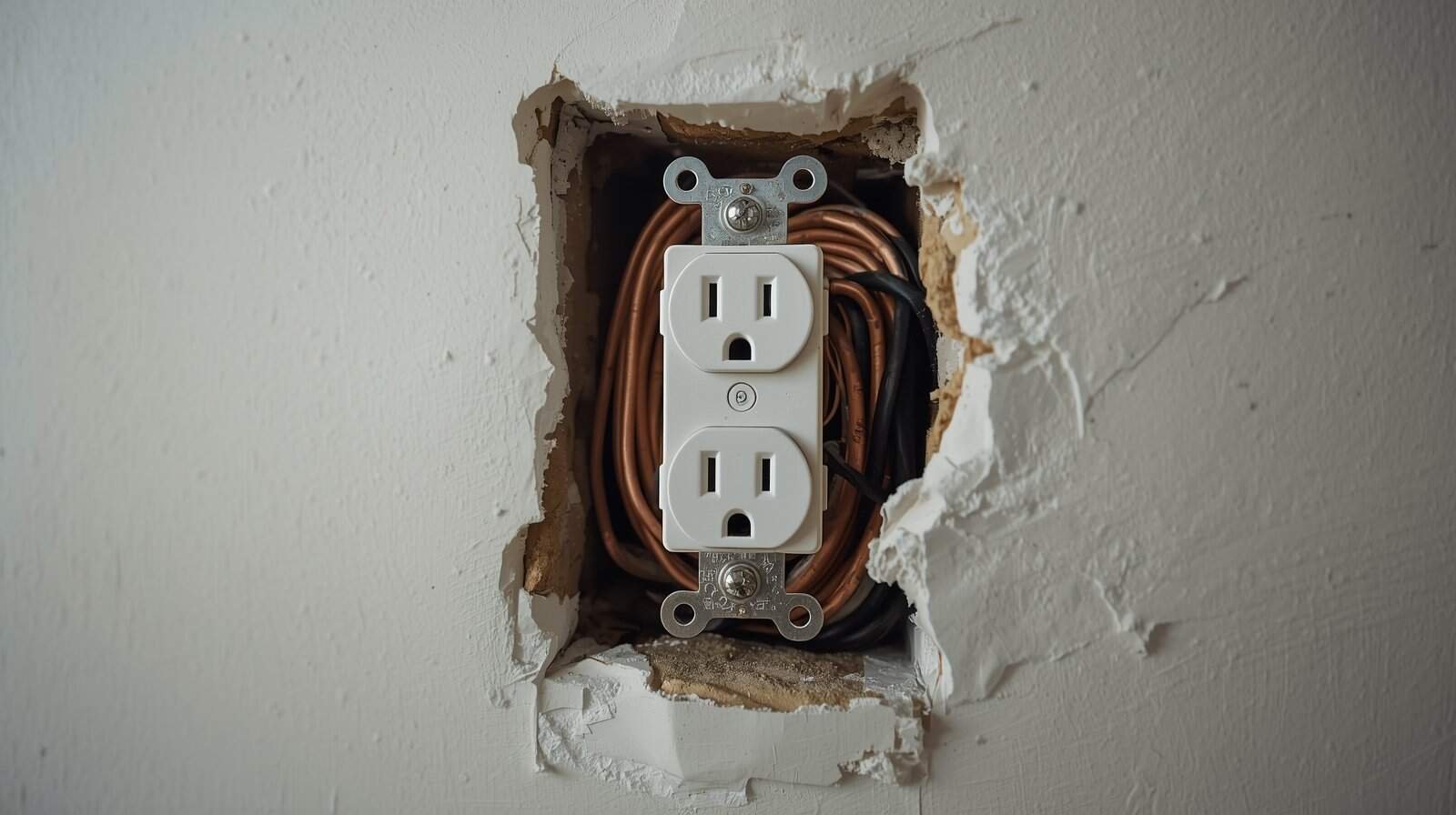
Many homeowners assume circuit breakers protect against all dangerous electrical conditions. In reality, breakers respond primarily to excessive current—not gradual heat buildup caused by resistance.
Electrical resistance can quietly generate damaging heat for months or even years before a breaker ever trips. Understanding this process explains why some of the most serious electrical hazards develop without obvious warning.
What Electrical Resistance Actually Means
Electrical resistance occurs when current encounters friction as it flows through wiring, connections, or devices. This friction converts electrical energy into heat.
All electrical systems have some resistance, but problems arise when resistance increases beyond normal levels due to loose connections, corrosion, aging materials, or overloaded components.
Why Breakers Do Not Respond to Resistance Heat
Circuit breakers are designed to trip when current exceeds safe limits for the wire size. They are not temperature sensors inside walls or outlets.
When resistance increases, current may remain within acceptable limits while heat continues to build at the resistance point. Because amperage stays below the breaker threshold, no trip occurs—even as damage accumulates.
Common Places Resistance Builds Inside Homes
Resistance-related heating most often develops at connection points rather than along intact wire runs.
Loose Terminals and Backstabbed Outlets
Connections that are slightly loose create small gaps. Electricity jumping across those gaps generates heat that worsens as metal expands and contracts.
Corroded or Oxidized Contacts
Moisture, age, and environmental exposure can corrode metal surfaces, increasing resistance even when connections appear intact.
Overloaded Devices and Shared Circuits
Circuits carrying sustained heavy loads may operate below breaker limits while generating excess heat at stressed junctions.
How Resistance Heat Manifests Before Failure
Resistance-related heating often produces subtle warning signs long before visible failure or breaker trips occur.
Homeowners may notice warm outlet plates, faint buzzing sounds, intermittent flickering, or slight discoloration. These symptoms are explored further in warm or hot outlet after an outage and loose electrical connections in the home.
Why Resistance Heat Is a Major Fire Risk
Heat generated by resistance can ignite surrounding materials such as wood framing, insulation, or accumulated dust. Because this heat often develops behind walls, detection is delayed.
Many residential electrical fires begin without any breaker trip or visible electrical event. This risk pathway is explained in when home electrical systems become a fire risk.
How This Differs From Overcurrent Failures
Overcurrent failures occur suddenly and trip breakers immediately. Resistance heating is gradual, silent, and cumulative.
This distinction explains why circuits can remain energized while slowly becoming unsafe, as described in overloaded circuits without tripped breakers.
When to Stop Monitoring and Get Professional Help
If you notice recurring warmth, odors, buzzing, or unexplained electrical behavior—even without breaker trips—professional inspection is warranted.
Electricians use thermal imaging and load analysis tools that homeowners do not have access to, allowing them to identify resistance hotspots before failure occurs.
Conclusion
Electrical resistance creates heat long before breakers trip because breakers monitor current, not temperature. This mismatch allows dangerous conditions to develop silently.
Recognizing early warning signs and understanding this mechanism helps homeowners take preventive action before resistance heat turns into permanent damage or fire.