


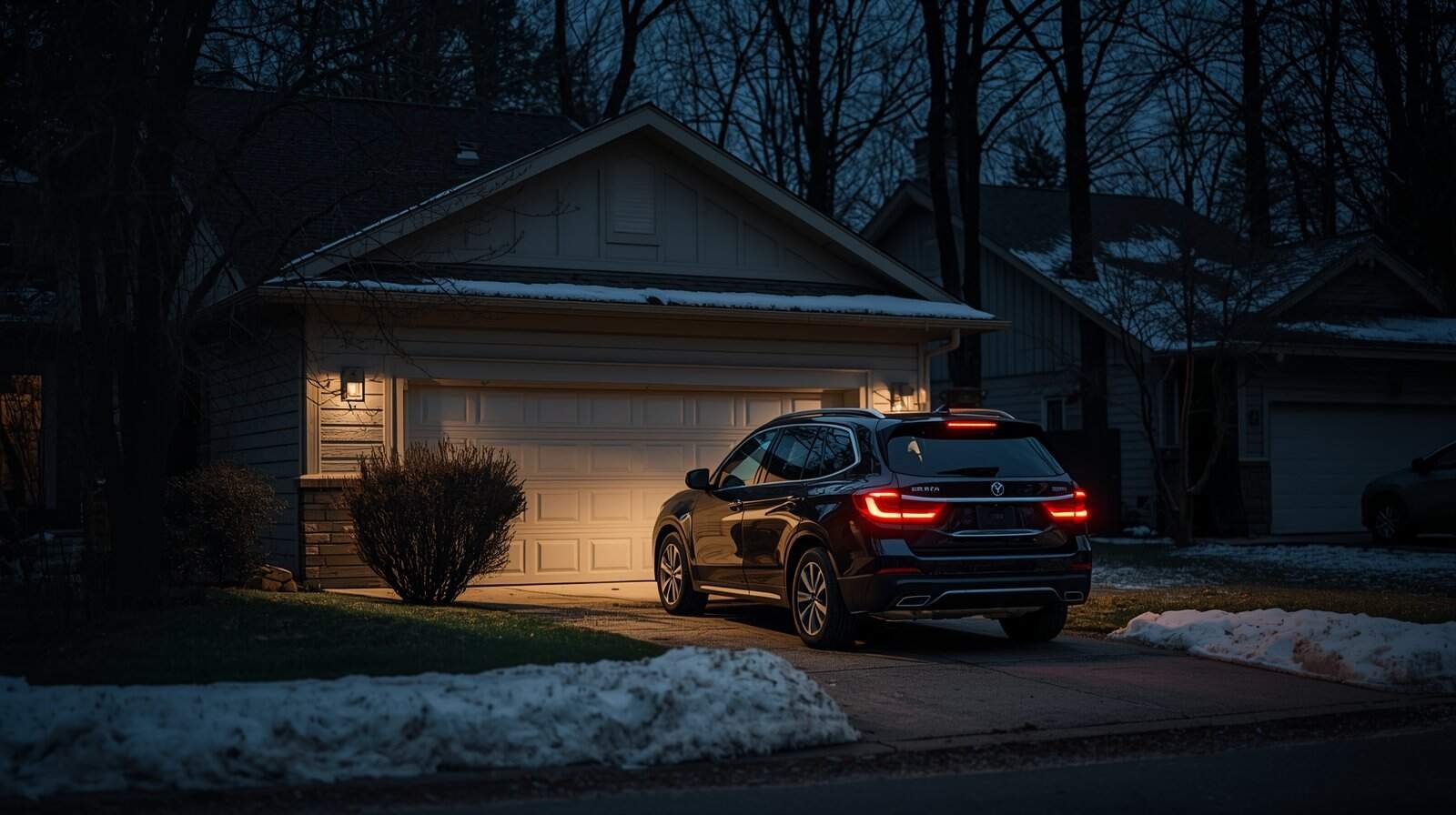
Vehicles and garages are often overlooked sources of carbon monoxide during power outages. When electricity is unavailable, people may idle vehicles for warmth, charge devices, or move activities closer to garages for convenience. These behaviors can introduce exhaust gases into living spaces in ways that are easy to miss and dangerous to underestimate.
This article explains how vehicle exhaust behaves during outages, why garages create unique carbon monoxide risks, and which common assumptions about ventilation fail under emergency conditions.
For a broader overview of carbon monoxide sources during outages, see Carbon Monoxide During Power Outages: Hidden Sources, Risks, and How to Stay Safe.
Why garages matter: Garages often share walls, ceilings, and air pathways with living spaces. Exhaust gases can migrate indoors even when garage doors are partially open.
Carbon monoxide does not stay contained where it is produced.
Why Power Outages Increase Vehicle-Related CO Risk
During outages, people may rely on vehicles for temporary heat, light, or charging electronics. Idling engines produce carbon monoxide continuously, and even short periods of operation can raise indoor levels when exhaust accumulates near the home.
Cold weather increases this risk. Snow, ice, or wind can redirect exhaust toward doors, vents, or cracks in the structure. What feels like a brief or harmless action can result in prolonged exposure.
Attached Garages: The Highest Risk Scenario
Attached garages pose the greatest carbon monoxide risk because they connect directly to living spaces. Exhaust can travel through shared framing, ductwork, and small gaps that are not visible to homeowners.
Even with the garage door open, carbon monoxide can accumulate and migrate indoors. Pressure differences caused by temperature or wind often pull exhaust toward the house rather than away from it.
Detached Garages and Outdoor Idling
Detached garages reduce risk but do not eliminate it. Exhaust can linger in enclosed spaces and enter the home when doors are opened. Vehicles idling near windows or doors can also introduce carbon monoxide directly into living areas.
Charging devices from vehicles near the home may feel safer than using indoor combustion, but placement and airflow still matter. Detectors provide the only reliable early warning in these situations.
For guidance on detector behavior during outages, review Carbon Monoxide Detectors During Power Outages: Placement, Alarms, and Common Mistakes.
Common misconception: If you can smell exhaust, it is dangerous — if you cannot, it is safe. Carbon monoxide is odorless and can reach harmful levels without any warning signs.
Never rely on smell to judge safety.
How Exhaust Migrates Into Living Spaces
Carbon monoxide moves with air pressure and temperature differences. During outages, sealed homes and inactive ventilation systems allow gases to build up and move unpredictably.
Exhaust can enter through door gaps, shared framing, attic spaces, and ductwork. Once inside, it may spread throughout the home rather than staying near the source.
When Garage and Vehicle CO Risk Requires Action
If a carbon monoxide detector alarms while vehicles are running near the home or garage, treat it as an immediate warning. Move everyone to fresh air and stop the source until conditions can be evaluated.
Repeated alarms or symptoms such as headaches, dizziness, or nausea during outages warrant extra caution. These signs indicate that exposure may be ongoing.
If you are unsure whether vehicle exhaust, garage airflow, or electrical conditions are contributing to carbon monoxide risk, professional guidance may be appropriate. See When to Call an Electrician After an Outage: Clear Signs You Shouldn’t Ignore for help deciding when outside evaluation is warranted.