


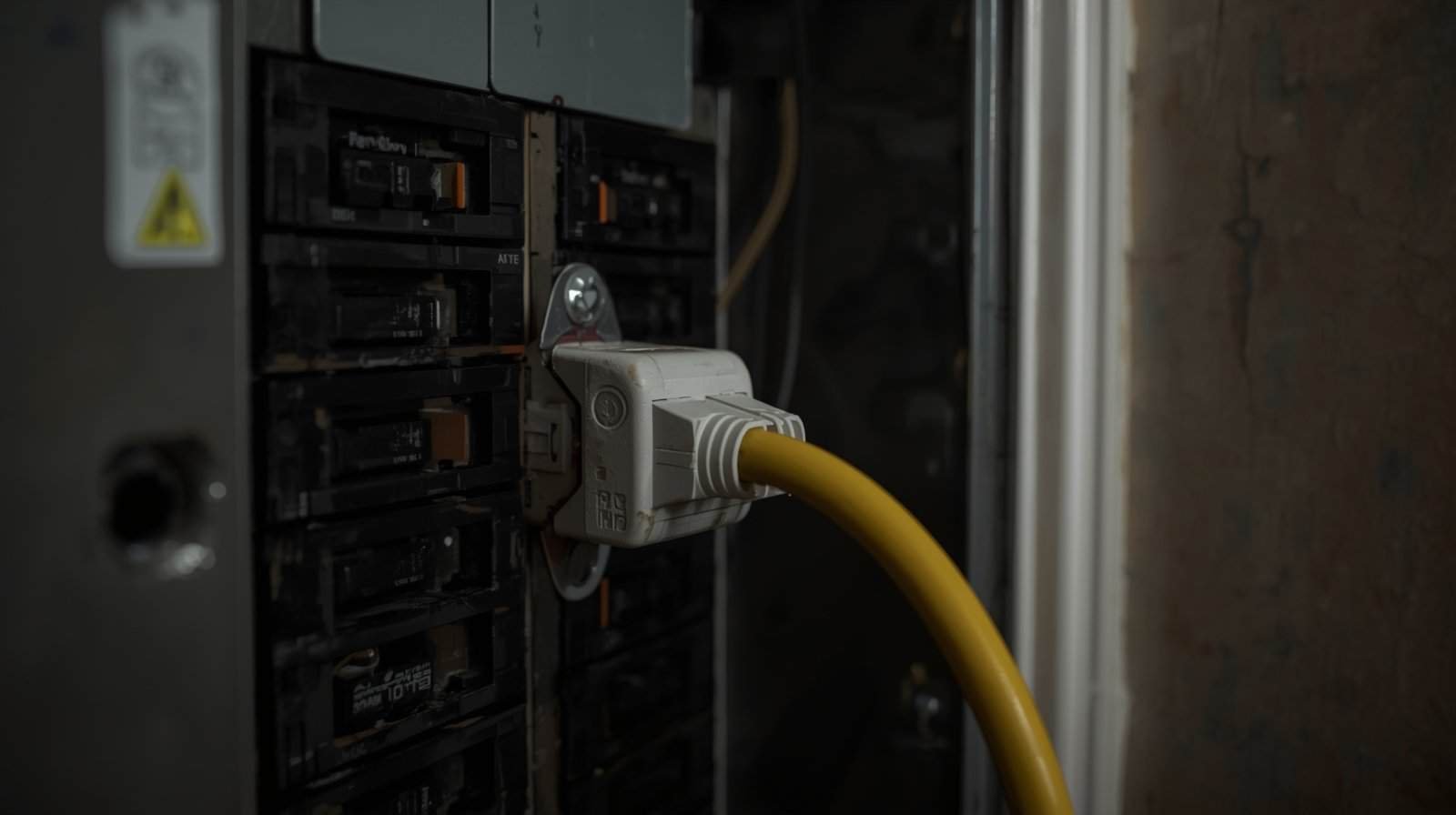
Generator backfeeding is one of the most dangerous mistakes homeowners make during power outages. It can energize utility lines unexpectedly, putting utility workers, neighbors, and your household at serious risk. Despite being illegal in many areas, backfeeding still happens when people try to power their homes without proper equipment.
Understanding what generator backfeeding is, why it is dangerous, and how to prevent it safely is essential for anyone using a generator during an outage.
What Is Generator Backfeeding?
Backfeeding occurs when electricity from a generator flows backward through a home’s electrical system and into utility power lines. This often happens when a generator is connected directly to a home outlet or panel without proper isolation from the grid.
Because utility lines are assumed to be de-energized during outages, backfed electricity can travel far beyond your home, creating hazards that are invisible to anyone nearby.
Why Generator Backfeeding Is Dangerous
Severe risk to utility workers
Lineworkers restoring power may come into contact with lines they believe are safe. Backfed electricity can cause serious injury or death, even from a small portable generator.
Fire and equipment damage
Improvised connections often bypass circuit protection. This can overheat wiring, damage appliances, and increase fire risk inside the home.
Uncontrolled power flow
Generators are not designed to synchronize with grid electricity. When utility power returns, unsynchronized voltage can destroy generators and connected devices instantly.
Common Ways Backfeeding Happens
Using extension cords into wall outlets
One of the most common and dangerous practices is plugging a generator into a household outlet to “power the house.” This energizes circuits in unintended directions.
Improvised panel connections
Connecting generators directly to breaker panels without proper transfer equipment creates unpredictable and unsafe power paths.
Safe Ways to Prevent Backfeeding
Use a transfer switch or interlock kit
Properly installed transfer switches or interlock kits physically isolate your home from the utility grid when the generator is running. These systems prevent backfeeding by design.
Power appliances directly
For portable generators, running extension cords directly to individual appliances avoids interaction with home wiring and reduces risk.
Generator backfeeding is extremely dangerous and entirely preventable. Using approved equipment, avoiding improvised connections, and understanding electrical risks ensures backup power is used safely during outages.