


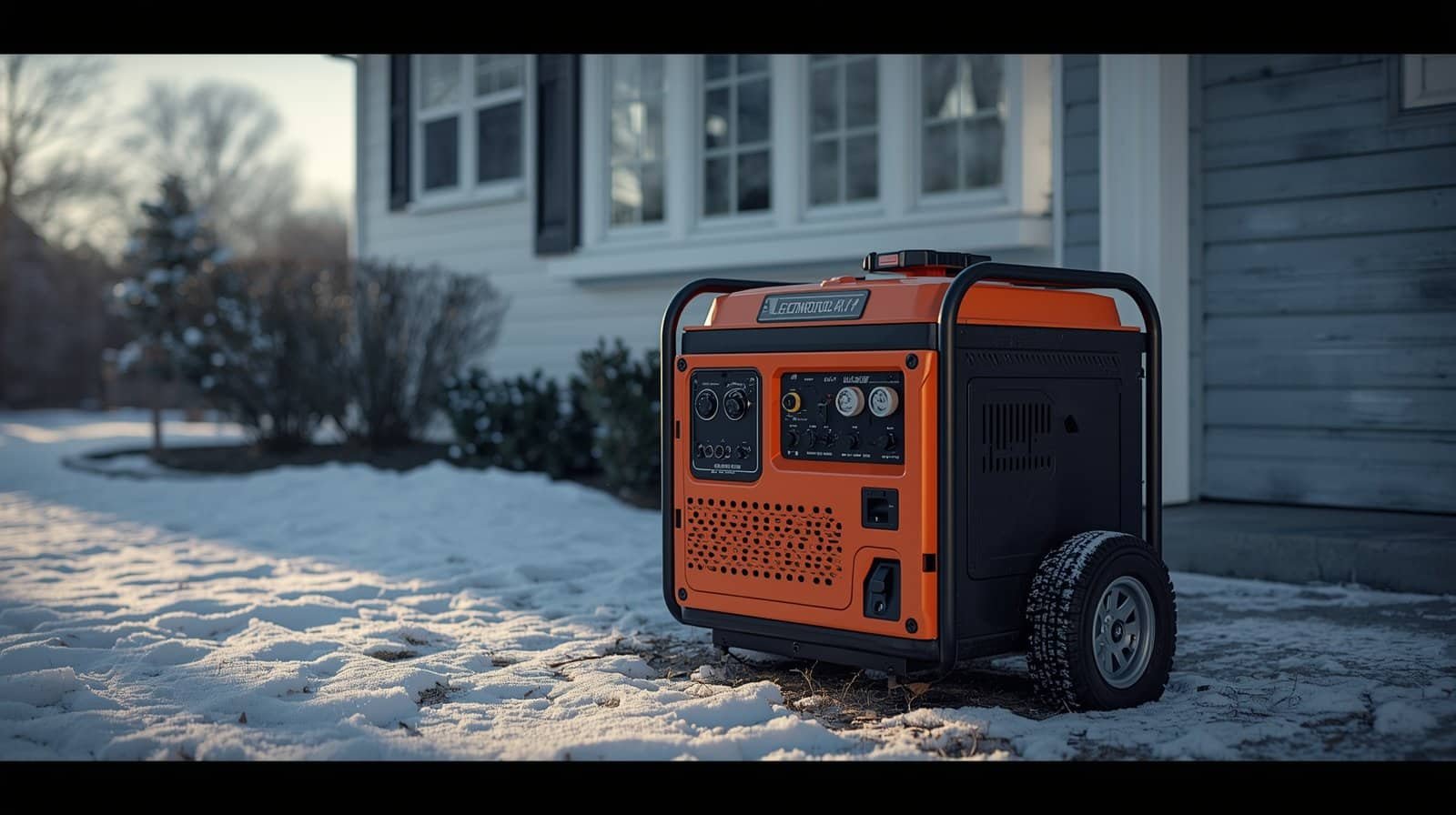
Operating a generator during a multi-day outage is different from running it for a few hours after a storm. Fatigue sets in. Refueling becomes routine. Placement shortcuts become tempting. That’s when most preventable incidents occur.
This guide focuses on safe generator discipline during extended outages. For your full survival framework, review How to Safely Live Through a Multi-Day Power Outage at Home.
Placement Must Stay Consistent — Even on Day Three
Generators must remain outdoors and positioned well away from windows, doors, and vents. Snow, wind shifts, and fatigue should never justify moving a unit closer to the home.
Carbon monoxide buildup is silent and fast. Revisit the fundamentals in Generator Carbon Monoxide Safety and treat placement as non-negotiable.
Run Time Discipline Reduces Risk
Continuous operation increases fuel handling, heat buildup, and CO exposure time. Many households benefit from cycling generator use — running it in scheduled blocks to stabilize refrigeration, charge devices, and circulate heat.
This reduces overall exposure time and lowers refueling frequency.
- Operate in planned blocks rather than nonstop
- Allow cooling before refueling
- Keep exhaust path clear of snow and debris
- Monitor CO detectors inside the home
Refueling Fatigue Is a Major Hazard
Most generator fires occur during refueling. During long outages, repeated refills increase the chance of rushing or spilling fuel.
Always shut down and allow the unit to cool before refueling. Store fuel properly and outside living spaces. Review safe fuel storage practices here if you need a refresher.
Carbon Monoxide Risk Increases Over Time
Multi-day operation means extended exhaust production. Even small placement errors can become serious over many hours.
If anyone experiences headache, dizziness, nausea, or confusion, shut down immediately and move to fresh air. Review carbon monoxide poisoning symptoms and treat any warning seriously.
- CO alarms activate
- You smell exhaust indoors
- The generator is moved closer “temporarily”
- You feel unwell while it is running
Multi-Day Safety Is About Discipline
Extended outages test routines. The safest households treat generator use as a structured process, not an improvisation. Conservative placement, conservative refueling, and consistent monitoring prevent most emergencies.
If your setup feels rushed, unstable, or unsafe, shut down and reassess. A short inconvenience is far safer than a preventable emergency.