


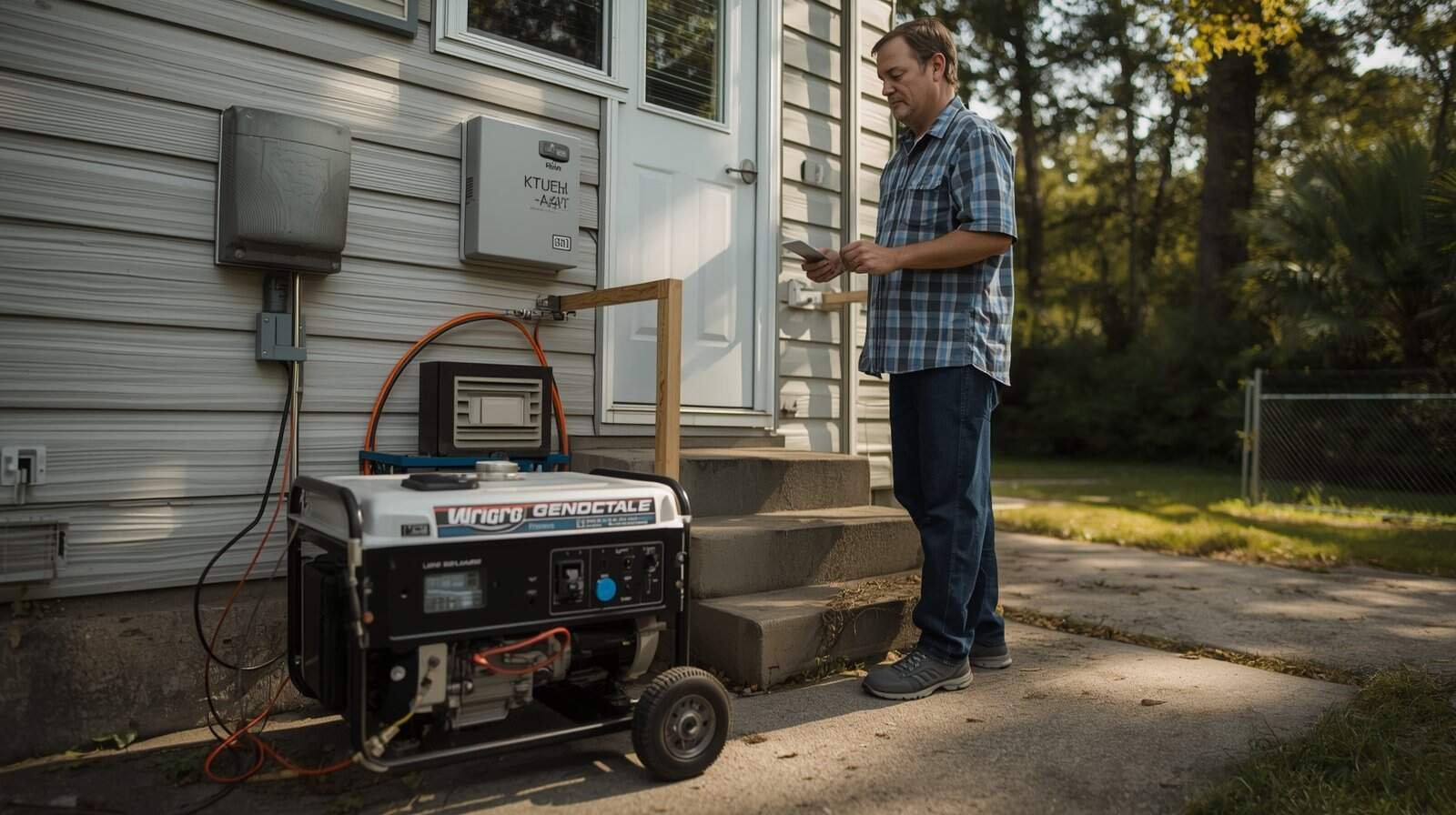
A generator that runs rough—sputtering, hunting, or revving unevenly—often signals a developing problem rather than an immediate failure. While the generator may still produce power, unstable engine operation increases wear, reduces efficiency, and can lead to shutdowns or electrical instability if left unaddressed.
Understanding why a generator runs rough, which causes are most common, and what checks are safe for homeowners helps prevent damage and keeps backup power reliable during outages.
What “Running Rough” Typically Looks Like
Rough operation can present in several ways, depending on the underlying issue. Common symptoms include:
- Uneven engine speed that rises and falls without load changes
- Intermittent sputtering or misfiring sounds
- Vibration stronger than normal operation
- Difficulty maintaining steady electrical output
These symptoms often overlap with surging or breaker trips, which is why proper diagnosis matters.
Most Common Causes of a Generator Running Rough
Stale or contaminated fuel
Fuel quality is the leading cause of rough generator operation. Gasoline that has aged, absorbed moisture, or degraded during storage burns inconsistently. This leads to uneven combustion and fluctuating engine speed.
Restricted airflow
Engines require a precise air-to-fuel ratio. Dirty air filters, blocked intake vents, or debris near the generator can restrict airflow and disrupt combustion.
Carburetor buildup
Over time, fuel residue can clog carburetor jets and passages. Partial blockages cause inconsistent fuel delivery, resulting in sputtering or hunting behavior.
Governor response issues
The governor regulates engine speed under changing electrical load. Wear, misadjustment, or contamination can cause delayed or excessive corrections that feel like rough running.
Electrical load instability
Rapid changes in electrical demand can force the engine to constantly adjust output. If lights flicker or appliances cycle during rough operation, see our guide on generator surging power.
Why Rough Operation Should Not Be Ignored
Increased mechanical wear
Uneven combustion places extra stress on internal engine components, accelerating wear and increasing the chance of long-term damage.
Electrical instability
Unstable engine speed can produce inconsistent voltage and frequency, which stresses connected devices and may trigger protective shutdowns.
Progression to shutdowns
Rough running often precedes more severe issues. If breakers begin tripping or the generator shuts down under load, review why generator breakers keep tripping.
Safe Troubleshooting Steps for Homeowners
Refresh fuel
Drain old gasoline and refill with fresh, properly stored fuel. If fuel stabilizer was not used during storage, replacement is often necessary.
Inspect and replace air filters
Check air filters for dirt or oil saturation. Clean or replace them according to manufacturer guidance.
Reduce and stabilize electrical load
Disconnect nonessential devices and operate the generator with a steady, moderate load to see if rough operation improves.
Check for obvious obstructions
Ensure intake and exhaust areas are clear and that the generator has adequate airflow on all sides.
When to Stop and Seek Service
If rough operation persists after basic maintenance checks, internal engine or electrical components may require professional service. Continuing to operate a generator in this condition can lead to complete power loss or permanent damage.
Extended runtimes under unstable conditions further increase risk. For planning guidance, see how long a generator can run safely.
Preventing Rough Generator Operation
Routine maintenance, proper fuel storage, and realistic load planning significantly reduce the chance of rough operation. Regularly exercising the generator under load helps identify small issues before they escalate.
Conclusion
A generator that runs rough is warning you early. Addressing fuel quality, airflow, and load balance promptly protects your equipment and ensures dependable backup power when outages occur.