


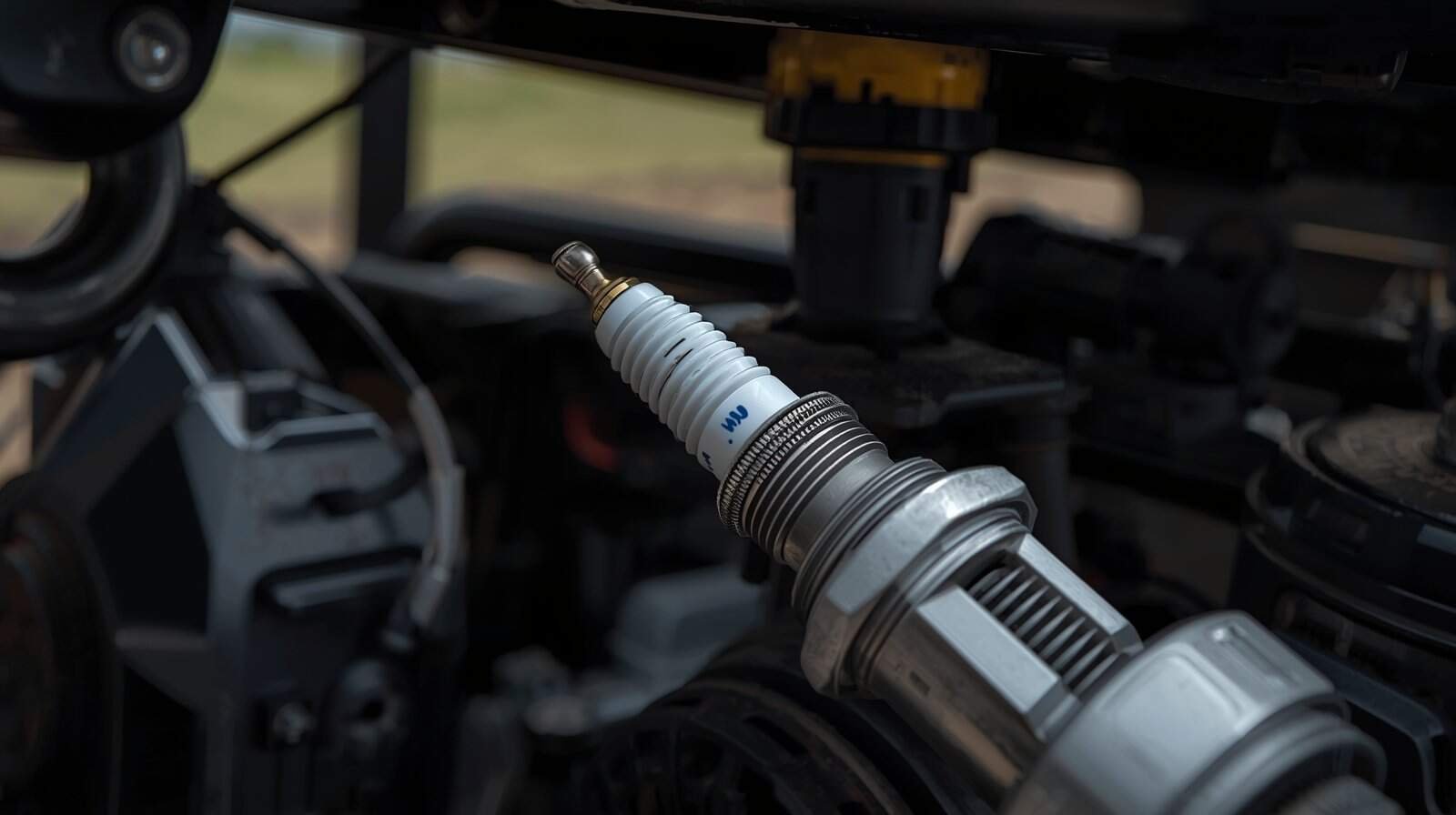
Spark plugs play a small but critical role in generator reliability. When a generator struggles to start, runs rough, or misfires under load, spark plug condition is often a contributing factor.
This guide explains how generator spark plugs work, common signs of wear, and when replacement helps restore dependable operation.
Why Spark Plugs Matter in Generator Engines
Spark plugs ignite the air-fuel mixture inside the engine. A clean, properly gapped plug produces a consistent spark, while worn plugs cause weak or irregular ignition.
Poor ignition reduces efficiency and increases stress on engine components.
Common Signs of Spark Plug Wear
Worn spark plugs may cause hard starting, rough idle, uneven power delivery, or increased fuel consumption.
Visual inspection may reveal carbon buildup, corrosion, or electrode wear.
How Operating Conditions Affect Spark Plug Life
Extended run times, heavy loads, and poor fuel quality accelerate spark plug wear. Generators used infrequently may also experience corrosion from moisture.
When to Inspect or Replace a Spark Plug
Manufacturers often recommend inspecting spark plugs annually or after a set number of operating hours. Replacement intervals vary, but many plugs last 100 hours or more.
Regular inspection helps identify problems early.
Spark Plug Maintenance and Other Engine Components
Spark plug performance is influenced by air intake and lubrication. Clogged air filters or degraded oil increase combustion stress.
Related maintenance topics include generator air filter maintenance and generator oil change intervals.
Including Spark Plugs in Seasonal Maintenance
Spark plug inspection should be part of seasonal preparation. This helps ensure reliable starting during outages.
A complete preparation overview is available in the generator maintenance checklist before storm season.
Conclusion
Routine spark plug maintenance reduces starting problems and improves generator performance. Understanding signs of wear and replacement timing helps ensure dependable backup power when it matters most.