


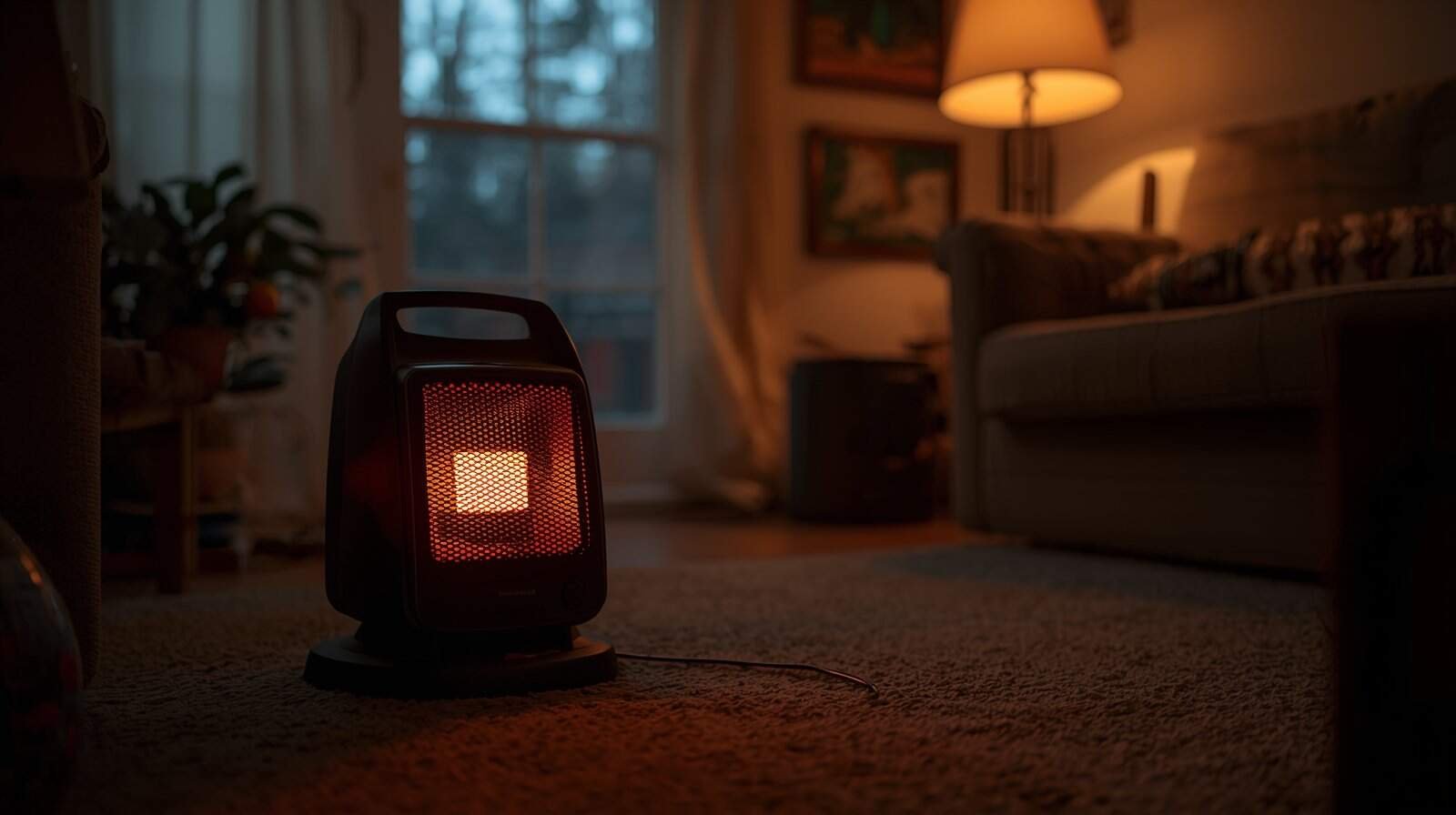
Indoor heaters are often the first solution homeowners turn to during a power outage, especially in cold weather. When central heating systems shut down, portable heaters can feel like a simple and familiar way to stay warm. However, some heating options introduce carbon monoxide into the home, and outage conditions can make that risk much higher than expected.
This article explains how different types of indoor heaters behave during outages, why carbon monoxide risk is often underestimated, and which assumptions about ventilation and safety tend to fail under emergency conditions.
For a broader overview of where carbon monoxide comes from during outages, start with Carbon Monoxide During Power Outages: Hidden Sources, Risks, and How to Stay Safe.
Why heaters deserve special attention: Heating devices are often used continuously and close to living spaces during outages. Small changes in ventilation or placement can significantly affect carbon monoxide buildup.
Understanding heater-specific risks helps prevent exposure before symptoms appear.
Why Carbon Monoxide Risk Changes When the Power Goes Out
Power outages alter how homes retain heat and circulate air. Fans stop, exhaust systems may be disabled, and windows and doors stay closed to preserve warmth. These conditions reduce natural ventilation and allow combustion byproducts to linger longer.
At the same time, people often operate heaters for longer periods than usual. What might be safe for short, supervised use under normal conditions can become hazardous when used continuously overnight or in enclosed spaces.
Propane and Kerosene Heaters: What Homeowners Miss
Propane and kerosene heaters are commonly marketed for emergency use, and some are labeled for indoor operation. While certain models are designed to burn cleaner, none are completely free of carbon monoxide risk, especially when ventilation is limited.
During outages, assumptions about airflow often fail. Snow, ice, or wind can block vents or alter pressure inside the home, causing exhaust gases to accumulate. Even heaters intended for indoor use can produce dangerous conditions if airflow changes.
Because these heaters are often used close to sleeping areas, carbon monoxide detectors become especially important. Review Carbon Monoxide Detectors During Power Outages: Placement, Alarms, and Common Mistakes to understand how detection supports heater safety.
Vent-Free and Improvised Heating Methods
Vent-free heaters and improvised heating methods introduce additional risk. Devices not designed for indoor heating, such as outdoor heaters or modified equipment, can produce unpredictable combustion and elevated carbon monoxide levels.
Improvised solutions are particularly dangerous because they lack built-in safety controls and are often used in spaces never intended to handle combustion byproducts. Cracking a window or door does not reliably reduce risk and can sometimes worsen airflow patterns.
How Heater Use Interacts With Generator Operation
Some homes rely on generators to power electric heaters or to supplement heating systems during outages. While electric heaters themselves do not produce carbon monoxide, generator exhaust can still enter the home if placement is poor.
When heaters and generators are used simultaneously, multiple risk factors overlap. Review Generator Carbon Monoxide Safety: What Every Homeowner Needs to Know to understand how exhaust behavior affects indoor air quality.
Common misconception: Electric heaters are always safe during outages. While they do not produce carbon monoxide themselves, their use does not eliminate CO risk if other combustion sources are present.
Carbon monoxide safety depends on the entire system, not one device.
When Heater Use Should Trigger Extra Caution
Persistent headaches, dizziness, or unusual fatigue during heater use should not be dismissed as stress or lack of sleep. These symptoms warrant immediate attention, especially when heaters run continuously or overnight.
Carbon monoxide detectors that alarm during heater use provide critical early warning. Silencing or disabling alarms removes a key safety layer and increases risk.
If you are unsure whether heater use, ventilation, or electrical conditions are contributing to risk, it may be time to seek professional guidance. See When to Call an Electrician After an Outage: Clear Signs You Shouldn’t Ignore for help deciding when outside evaluation is appropriate.