


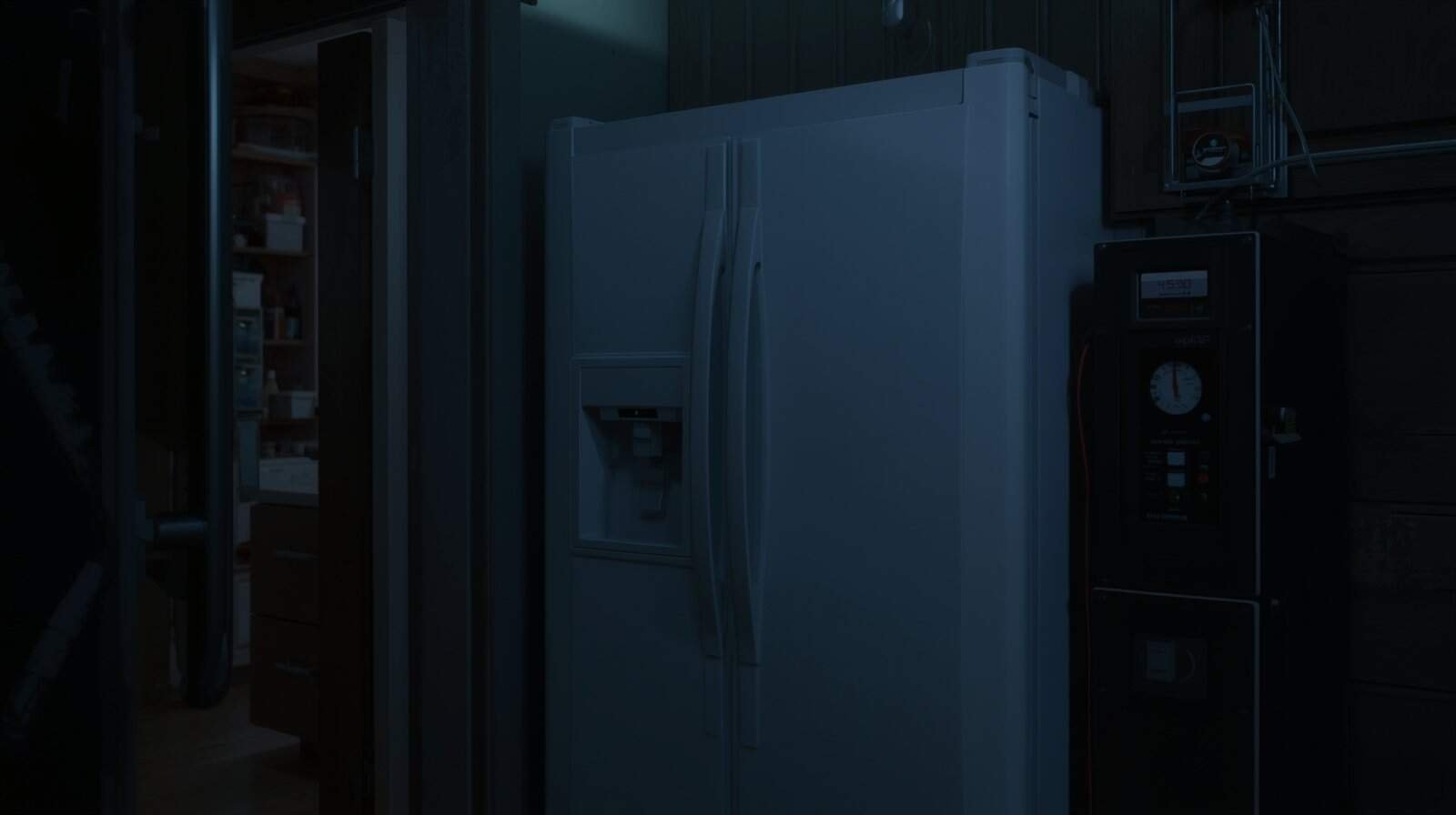
Many prescription medications require refrigeration to remain safe and effective. During a power outage, temperature control becomes a time-sensitive concern, especially for households managing insulin, biologics, or other temperature-sensitive drugs.
Understanding how long medications can remain refrigerated without power—and how to plan backup solutions—helps prevent unnecessary waste and potential health risks.
Which Medications Require Refrigeration
Not all medications require cold storage, but those that do are often critical. Common examples include certain insulins, injectable biologics, hormone therapies, and specialty compounds.
Always follow pharmacy labeling and consult healthcare providers when storage requirements are unclear.
How Long Refrigerated Medications Stay Safe Without Power
A closed refrigerator can usually maintain safe temperatures for several hours, depending on insulation, room temperature, and door openings. Once internal temperatures rise above recommended ranges, medication stability may be compromised.
Monitoring Refrigerator Temperature
External refrigerator thermometers allow households to track internal temperatures without opening the door repeatedly. This helps preserve cold air and provides clearer decision-making during outages.
Backup Power Options for Refrigeration
Battery-based power stations
Battery power stations and solar generators can safely power refrigerators indoors. Their quiet operation and lack of emissions make them suitable for extended use in residential settings. For capacity planning, see what a solar generator can power.
Fuel generators (limited role)
Fuel-powered generators can support refrigeration but must be operated outdoors and carefully managed. They are best used as secondary options rather than primary solutions for medication storage.
Layered Planning for Medical Refrigeration
Medication refrigeration planning works best when layered. Many households combine battery backup for immediate needs with secondary power options for extended outages. For broader medical planning, review backup power for medical devices.
What to Avoid During Power Outages
- Opening the refrigerator frequently
- Guessing medication safety without temperature confirmation
- Running fuel generators indoors
When to Consult a Pharmacist or Healthcare Provider
If temperature exposure is uncertain, pharmacists and healthcare providers can advise whether medications remain safe or require replacement. When in doubt, professional guidance is essential.
Related Medical Backup Considerations
Households managing multiple medical needs often plan power holistically. CPAP users, for example, should also review CPAP power outage backup strategies alongside refrigeration planning.
Conclusion
Medication refrigeration during power outages requires preparation, monitoring, and safe backup power. With layered planning and clear thresholds for action, households can protect both medication integrity and peace of mind when outages occur.