


Weather plays a larger role in carbon monoxide risk during power outages than many homeowners realize. Wind, snow, ice, and cold temperatures can all change how exhaust gases move around a home. Even equipment that is placed outdoors and used carefully can become dangerous when ventilation patterns shift unexpectedly.
This article explains how weather conditions and ventilation failures increase carbon monoxide risk during outages, why common safety assumptions break down, and how to recognize situations where outdoor exhaust may still enter living spaces.
For a broader overview of carbon monoxide sources during outages, see Carbon Monoxide During Power Outages: Hidden Sources, Risks, and How to Stay Safe.
Why weather matters: Carbon monoxide follows airflow, not rules. When weather changes airflow around a home, exhaust can move in unexpected and dangerous directions.
What was safe yesterday may not be safe under storm conditions.
How Wind Alters Exhaust Behavior
Wind can dramatically change how exhaust gases behave. Strong or gusting winds may push exhaust back toward the home rather than dispersing it. Pressure differences created by wind can draw gases into openings, vents, or structural gaps.
Wind direction matters as much as wind speed. Exhaust that normally moves away from the home can be redirected toward doors, windows, or attic vents during storms. This is one reason carbon monoxide incidents increase during severe weather outages.
Snow and Ice Blocking Vents and Exhaust Paths
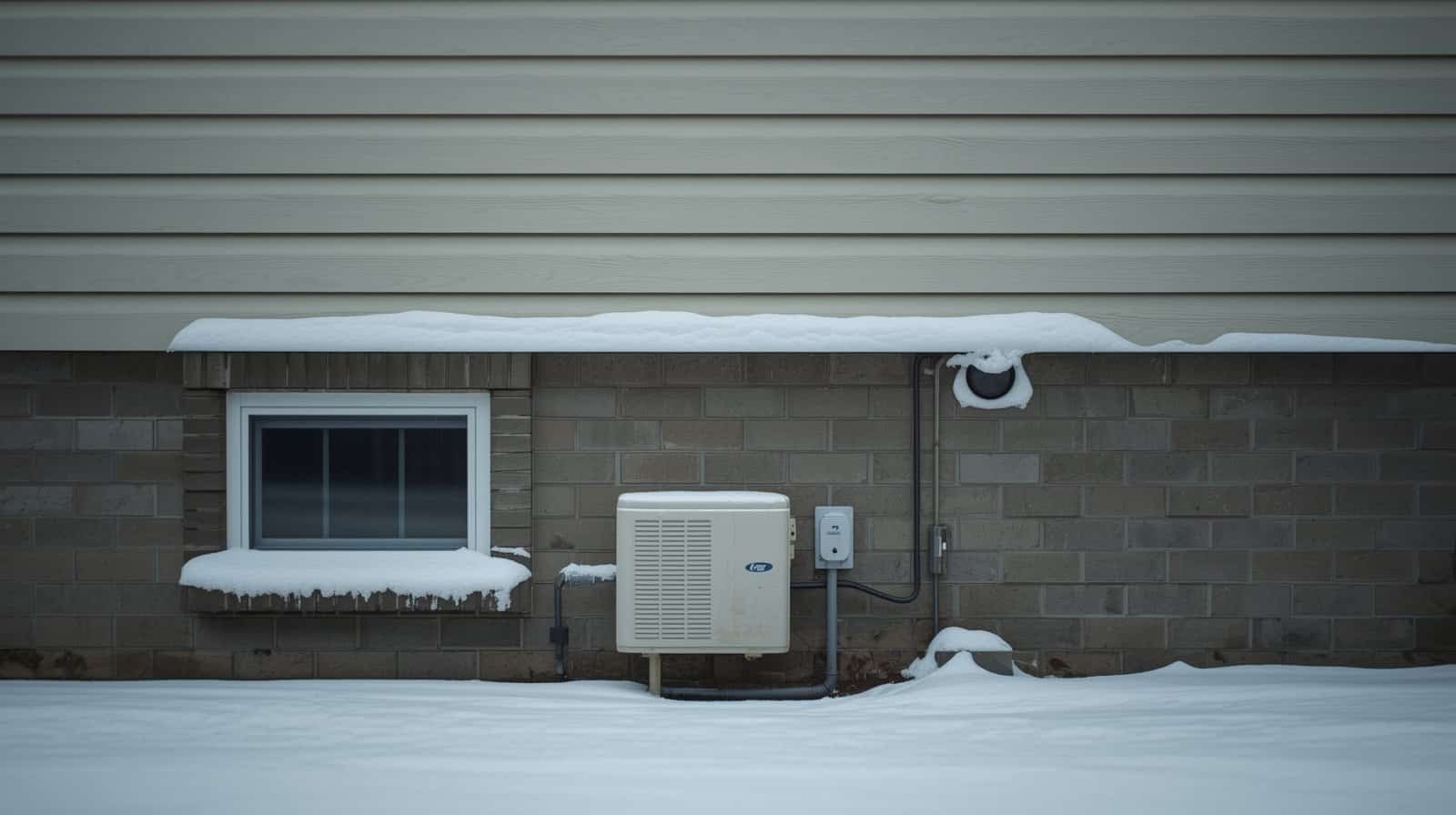
Snow and ice accumulation can block vents, flues, and exhaust outlets. Even partial blockage can restrict airflow enough to cause exhaust gases to back up or escape through unintended paths.
During extended outages, homeowners may not notice that vents have become buried or iced over. Carbon monoxide can then accumulate indoors despite equipment being used “outdoors.”
Ventilation Systems That Stop Working During Outages
Many homes rely on powered ventilation systems to manage airflow. When power is lost, these systems shut down, reducing the home’s ability to clear combustion gases.
Sealed or energy-efficient homes are particularly vulnerable because they allow less passive airflow. Without active ventilation, carbon monoxide can build up faster and persist longer.
Pressure Differences and Backdrafting
Backdrafting occurs when exhaust gases flow back into the home instead of exiting properly. This can happen when pressure differences pull air inward, especially during cold weather when warm indoor air rises.
Weather-driven pressure changes, combined with inactive ventilation, increase the likelihood of backdrafting. Homeowners may have no visible indication that exhaust is re-entering living spaces.
Carbon monoxide detectors are often the first and only warning. Review Carbon Monoxide Detectors During Power Outages: Placement, Alarms, and Common Mistakes to understand how detectors respond under these conditions.
Common misconception: If equipment is outside, weather cannot make it dangerous. In reality, weather often determines whether exhaust stays outside or is pulled back inside.
Distance alone does not guarantee safety.
How Weather-Driven CO Risk Overlaps With Other Sources
Weather effects often compound other carbon monoxide risks. Exhaust from vehicles near garages, heaters running longer than usual, or cooking appliances used in enclosed spaces can all become more dangerous when ventilation is compromised.
Understanding how weather amplifies these risks helps explain why multiple safety issues often appear at the same time during outages.
For related scenarios involving garages and vehicles, see Garages and Vehicles During Power Outages: Hidden Carbon Monoxide Risks.
When Weather and Ventilation Issues Require Action
If carbon monoxide alarms occur during storms or cold weather outages, treat them as serious warnings. Move everyone to fresh air immediately and stop combustion sources until conditions can be evaluated.
Repeated alarms during severe weather suggest that ventilation or exhaust behavior is unsafe under those conditions. Adjusting equipment placement alone may not be enough.
If you are unsure whether weather-driven ventilation failures, exhaust placement, or electrical conditions are contributing to carbon monoxide risk, professional guidance may be appropriate. See When to Call an Electrician After an Outage: Clear Signs You Shouldn’t Ignore for help deciding when outside evaluation is warranted.