


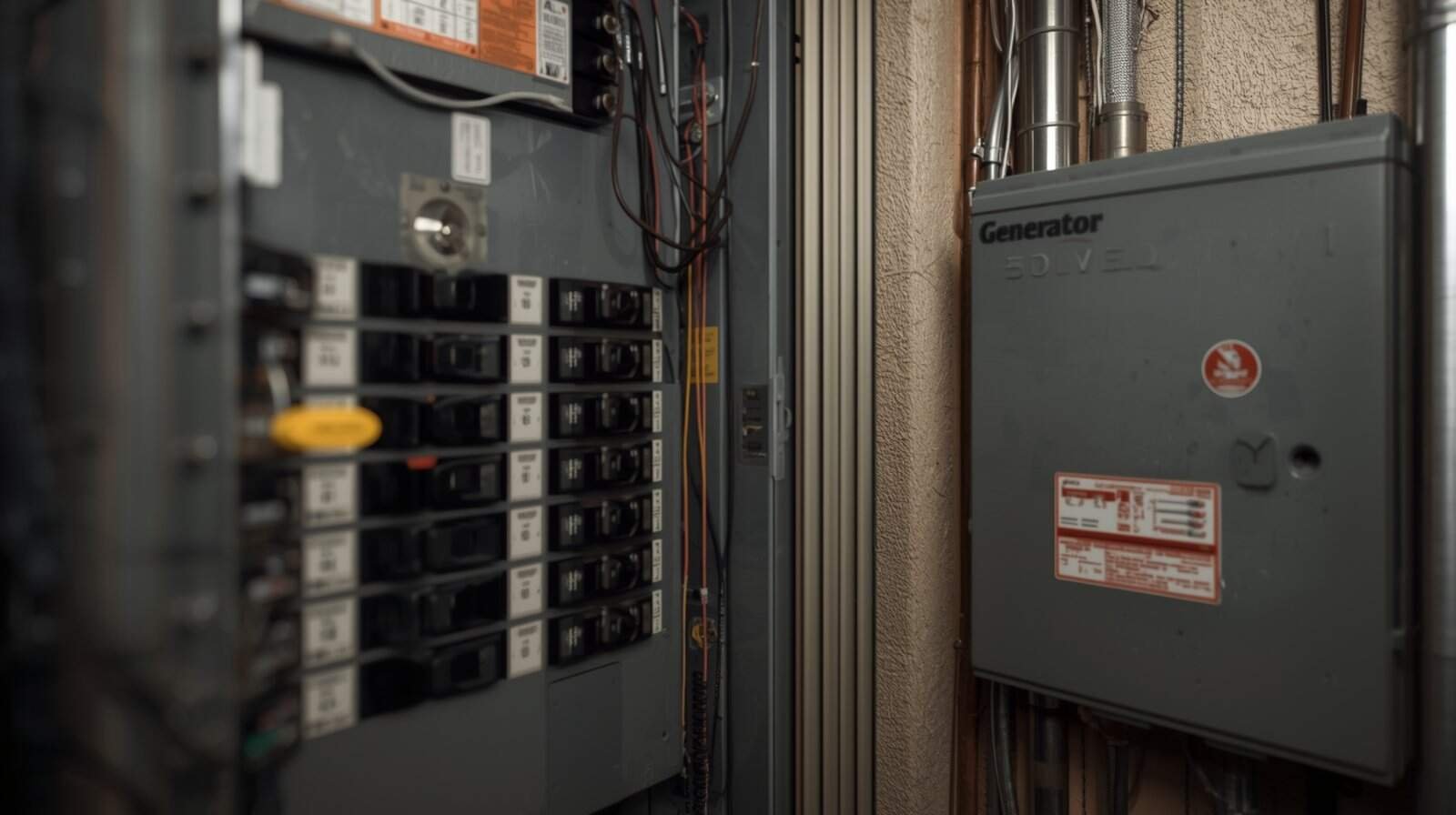
Whole-home backup planning is not just about generator size. It is about understanding how your home actually uses electricity — and which circuits can safely operate together when power is limited.
Many overload problems occur not because the generator is undersized, but because loads were selected without considering startup surges, circuit limits, or how aging wiring behaves under stress. Thoughtful load planning reduces nuisance shutdowns, prevents overheating, and lowers long-term electrical risk.
Generator Capacity Is Only the Starting Point
Before deciding which circuits to energize, you need a realistic understanding of total wattage demand. If you have not calculated this yet, start with What Size Generator Do I Need? Calculating Wattage for Home Backup Power to establish a safe capacity baseline.
However, matching running wattage to generator rating is only part of the equation. Backup systems must also handle short bursts of higher demand when motors and compressors start.
How Electrical Loads Behave During Startup
Motor-driven appliances such as refrigerators, well pumps, sump pumps, and HVAC systems draw significantly more power for a few seconds during startup. This temporary spike can exceed the generator’s available capacity, even when steady-state demand appears safe.
These startup surges explain why generators sometimes stall, trip breakers, or shut down unexpectedly under load. To better understand this interaction, review How Home Electrical Loads Really Work (And Why Problems Don’t Always Trip Breakers). Load behavior — not just appliance labels — determines safe operation.
Prioritize Critical Circuits First
Effective load planning separates essential systems from convenience loads. Critical circuits typically include refrigeration, medical devices, sump pumps, basic lighting, and heating system controls.
High-demand appliances such as electric dryers, ranges, and central air conditioning often exceed practical portable backup capacity unless the system is professionally designed. Attempting to power everything simultaneously increases overload risk.
Older Circuits Require Extra Caution
Homes built decades ago were not designed for modern electrical demand. When backup power is introduced, weak connections, aging insulation, and marginal panel capacity may become more noticeable.
For deeper context on this issue, see Why Modern Electrical Use Pushes Older Home Circuits to Their Limits. Backup power does not create these weaknesses — it exposes them.
Reducing simultaneous heavy loads helps limit stress on aging wiring systems.
Avoid Simultaneous Motor Startups
One of the simplest ways to reduce overload risk is staggering appliance startup. Allow one motor-driven appliance to stabilize before starting another. Avoid running multiple high-demand devices at the same time.
This strategy does not require rewiring. It requires awareness and discipline when operating under limited power conditions.
Recognize When Professional Input Is Needed
If your backup goals include powering multiple 240-volt loads, whole-panel operation, or permanently integrated systems, professional design may be necessary. Warning signs such as repeated breaker trips, unstable voltage, overheating outlets, or unusual odors are not normal.
If you observe these conditions, review When to Call an Electrician After an Outage: Clear Signs You Shouldn’t Ignore and consider professional evaluation.
Conclusion
Whole-home load planning is about behavior, prioritization, and limits — not just generator size. By understanding startup surges, protecting older circuits, and selecting essential loads carefully, you reduce overload risk and improve system reliability.
Backup power should increase resilience. Smart load planning ensures it does.