


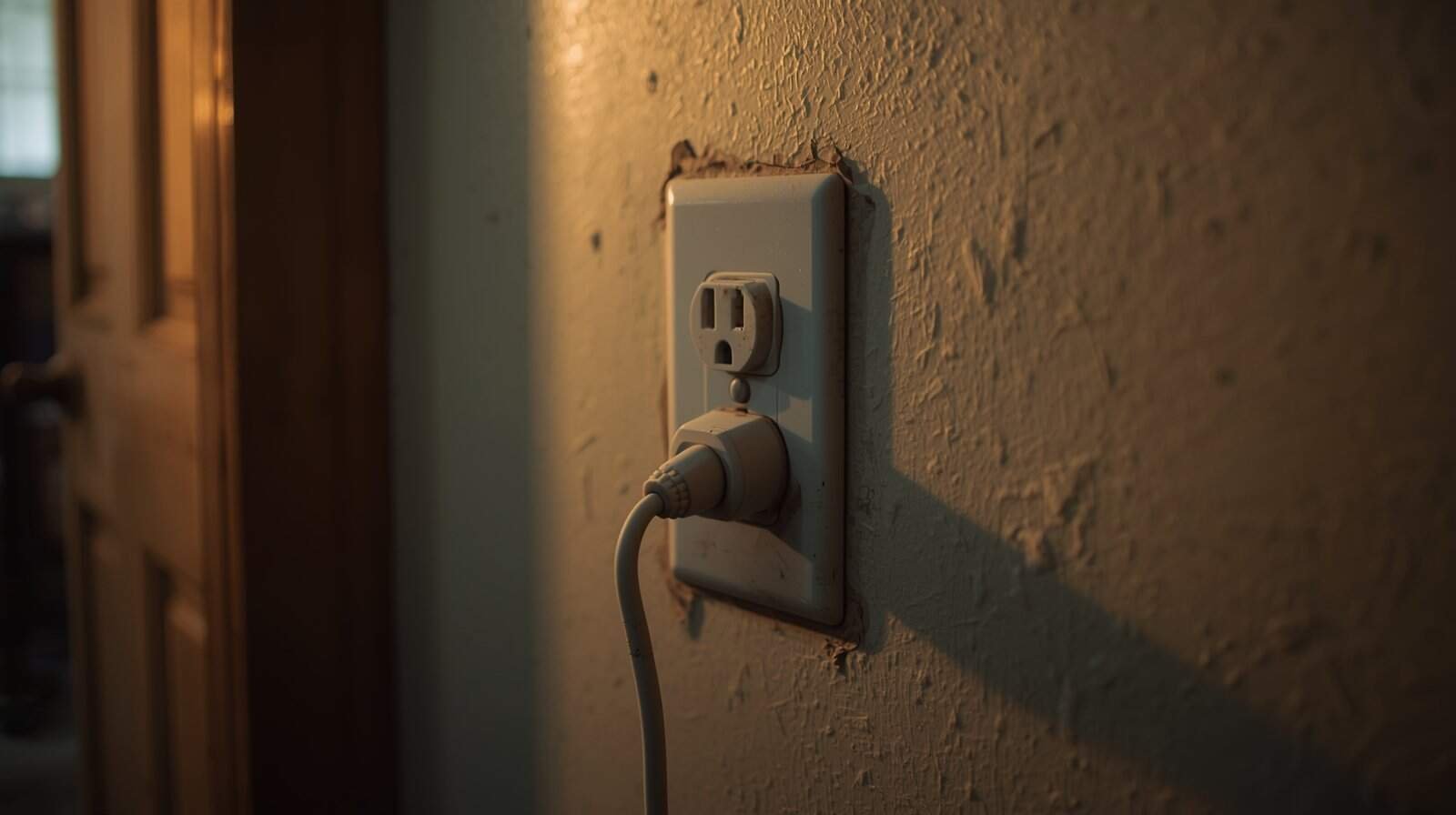
Electrical problems that lead to heat damage rarely start with a dramatic moment. Many homeowners imagine a single overload event where something suddenly “goes wrong,” the breaker trips, and the danger is obvious. In real homes, one of the most common patterns is quieter: small amounts of extra heat build repeatedly in the same place until materials slowly degrade.
This matters because a system can appear to work normally while damage accumulates behind outlet plates, inside junction boxes, or at aging connections. If you understand why heat damage can build over months, you are more likely to treat subtle warning signs seriously and involve a licensed electrician before the risk escalates.
Why Heat Damage Is Often a Slow Process
Heat damage is usually the result of repetition. When current passes through wiring and connections, some heat is normal, but concentrated heat at a weak point is where long-term harm begins. If that weak point warms up slightly every day during normal routines, the surrounding materials experience a steady cycle of heating and cooling.
Over time, that cycle can dry out insulation, discolor plastics, and gradually loosen connections. As connections loosen, electrical resistance often increases, and higher resistance produces even more heat under the same load. That is how a small issue can grow into a bigger one without ever looking dramatic on day one.
The key idea is that “nothing happened” does not always mean “nothing is developing.” Slow heat damage is a wear-and-tear pattern that depends on time, repetition, and the same stress showing up again and again.
Resistance Turns Normal Current Into Excess Heat
Electrical resistance is not just an abstract concept. In everyday terms, resistance means the electricity has to work harder to pass through a connection than it should. Loose terminals, worn receptacles, corroded surfaces, and aging splices can all increase resistance at a very specific point even when the overall circuit is not overloaded.
When resistance rises at one point, that point becomes a heat generator. The rest of the circuit may look and behave normally, but that one connection runs warmer under load. If you want the mechanism explained in more depth, this related article is a helpful companion: How Electrical Resistance Creates Heat Long Before Breakers Trip.
What makes this dangerous is that the heat can remain localized. A breaker may never trip because the circuit’s total current can stay below the trip threshold while the weak point continues to cook slowly.
Why Breakers Don’t Always Trip During Slow Heat Buildup
Breakers are designed to respond to overcurrent conditions, not to sniff out every warm connection in your walls. If a connection is loose and generating heat but the circuit isn’t drawing excessive amperage overall, the breaker may not react. That reality surprises homeowners because it conflicts with the common belief that “the breaker protects me from anything dangerous.”
In addition, breaker behavior depends on time and temperature. Some breakers can tolerate brief spikes, and some may not trip until current remains high for a sustained period. That means you can have repeated episodes of warming that never cross the breaker’s trip profile, especially when the heat is localized at a single device or splice point.
The practical takeaway is that breaker trips are an important warning sign, but the absence of a trip is not proof that the system is safe. Slow heat damage is exactly the kind of problem that can develop in the background of “normal operation.”
Why Modern Electrical Use Makes Slow Heat Damage More Likely
Modern households run more devices for longer stretches. Always-on electronics, chargers, home-office equipment, and kitchen appliances create a baseline load that older homes did not experience when their systems were designed. When that baseline combines with periodic high-wattage use, parts of the system may spend more time operating warm.
This is one reason the broader mismatch explained in Why Modern Electrical Use Pushes Older Home Circuits to Their Limits matters for safety. Even when you are not doing anything reckless, modern routines can keep stress cycling through the same wiring and connections. More cycles means more opportunities for small weaknesses to heat, expand, cool, and loosen further.
In simple terms, modern demand makes the “time under warmth” longer. That is the condition in which slow heat damage grows.
Shared Circuits Can Concentrate Stress Without You Realizing It
Many homeowners assume each room is electrically isolated. In older homes, that is often not the case, and multiple rooms may share a single circuit. When loads are spread across rooms, you may be stacking demand without noticing it, because the devices are not in the same place.
That hidden stacking is one reason symptoms can feel inconsistent. A circuit may seem fine until a certain combination of devices runs at the same time in different rooms. If you suspect your home is laid out this way, this article explains the concept clearly: Why Multiple Rooms Can Share One Circuit (And Why It Matters for Safety).
Shared circuits don’t automatically mean danger. They do, however, make it easier for modern use to keep a circuit warm repeatedly, which is exactly the environment where slow heat damage can take hold.
Common Warning Signs That Suggest Heat Damage May Be Developing
Slow heat damage rarely announces itself with one perfect symptom. More often, you see subtle signs that repeat under similar conditions. Warm outlet plates, a faint “electrical” smell, occasional buzzing, or flicker that appears when certain appliances run can all be clues that a connection is heating under load.
You might also notice that plugs feel unusually warm, outlets feel loose, or lights dim in a repeatable pattern tied to normal routines. These signs matter most when they repeat, because repetition points to an ongoing stress cycle rather than a random one-off event. If you ever see visible discoloration, melted plastic, or scorching, treat that as an urgent professional issue rather than something to watch and wait on.
The goal is not to become anxious about every flicker. The goal is to recognize patterns that suggest heat is building where it should not.
Why Panel Capacity Limits Can Amplify the Risk
In some homes, the electrical panel and overall service capacity are closer to their practical limits than homeowners realize. When the system is operating near its ceiling, the margin for handling stacked loads and long-duration demand shrinks. That doesn’t mean the panel is automatically unsafe, but it can make the whole system less forgiving of weak connections and repeated stress.
The next article in this gap series expands that system-level view: How Panel Capacity Limits Affect Everyday Electrical Safety. Understanding panel capacity helps you interpret whether repeated stress is a “one circuit” issue or part of a bigger load picture across the home.
When a system is near capacity, small problems can show up more often and escalate faster. That is why capacity is not just a convenience topic; it is a safety context topic.
When to Stop Watching and Call a Licensed Electrician
Homeowners should not try to “test” electrical safety by experimenting with outlets, swapping breakers, or opening boxes. The most dangerous heat-damage conditions are often inside places you can’t see, and the cost of being wrong is too high. If you notice repeated warmth, persistent odor, buzzing, crackling, discoloration, or recurring flicker tied to normal routines, professional evaluation is the safer path.
If you want a clear, practical decision guide for escalation signs—especially in situations where symptoms seem intermittent—use this checklist-style article: When to Call an Electrician After an Outage: Clear Signs You Shouldn’t Ignore. Even when you are not actively in an outage, the “stop and call” warning signs are the same, and it helps to have a calm reference point.
Slow heat damage builds because small stress repeats. The best protection is noticing the pattern early and bringing in the right professional help before heat turns into failure.