


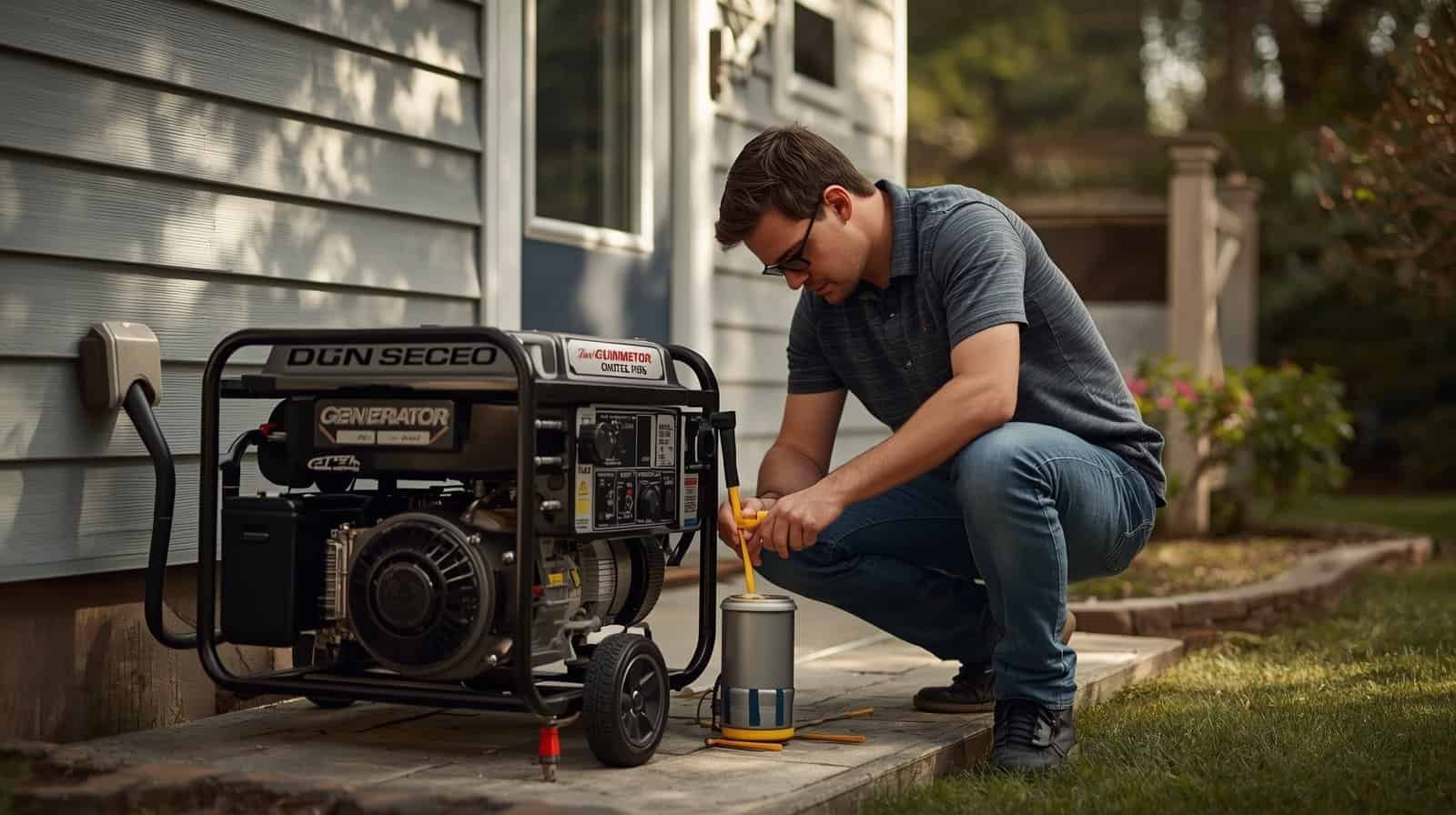
Short answer: Most portable generators need their first oil change after the break-in period (often 5–10 hours), then oil changes roughly every 50–100 operating hours depending on load, temperature, and the manufacturer’s guidance. Heavy loads and extended runtimes often mean shorter intervals.
Regular oil changes are one of the highest-leverage maintenance tasks for a portable generator. Unlike vehicles that may run in short, controlled trips, generators often operate for long stretches under changing electrical loads—making oil condition critical to reliability and engine life.
This guide explains common oil change intervals, why timing matters, and the warning signs that mean you should change oil sooner.
Why Generator Oil Changes Matter
Oil lubricates engine components, reduces friction, and helps carry heat away from moving parts. Over time, oil breaks down, collects contaminants, and loses protective properties.
Skipping oil changes increases wear and raises the chance of overheating or engine failure—often at the worst possible time, such as during a multi-hour outage.
The First Oil Change Is Different
The first oil change happens after the generator’s break-in period. During early operation, tiny metal particles and manufacturing residues can collect in the oil as internal components seat.
Many manufacturers recommend changing oil after the first 5 to 10 hours of operation. For break-in timing and what to watch for, see Generator Break-In Period Explained.
Typical Oil Change Intervals After Break-In
After the initial oil change, many portable generators require oil changes around every 50 to 100 operating hours. Exact timing depends on the engine design, oil type, and how hard the generator is working.
Generators used for short, light loads may stay closer to the longer end of the range. Generators supporting heavier loads for long stretches often need oil changes sooner.
How Load and Runtime Shorten Oil Life
Higher electrical loads increase engine temperature and accelerate oil degradation. Continuous operation during extended outages also shortens oil life because the oil spends more time exposed to heat and combustion byproducts.
Tracking runtime hours matters. A generator can “feel fine” while oil is already degraded—especially if it has been running near capacity.
Choosing the Right Oil Type
Oil viscosity and formulation affect lubrication performance. Some generators specify conventional oil, while others allow synthetic options. Certain engines also require specific viscosity ranges depending on outdoor temperature.
Always follow the manufacturer’s oil recommendations for your model. Using the wrong viscosity can reduce lubrication when cold or increase wear when hot.
Signs You Should Change Oil Sooner
Hour-based intervals are helpful, but real-world conditions can require earlier changes. Consider changing oil sooner if you notice:
- Oil that looks unusually dark or thick for the runtime
- A noticeable fuel smell in the oil (possible dilution)
- The generator running hotter than normal or sounding strained
- Heavy load use for long stretches during an outage
Oil Changes as Part of Preventive Maintenance
Oil changes work best when paired with routine preventive checks: clean airflow, correct fuel handling, and storage habits that keep the engine ready for storm season.
For a seasonal approach, see Generator Maintenance Checklist Before Storm Season.
Storage also affects oil condition over time. If your generator sits for months between uses, review How to Store a Generator Between Uses.
Finally, oil health is only one part of engine longevity. Airflow restriction can increase heat and accelerate oil breakdown—see Generator Air Filter Maintenance for another high-impact maintenance item.
Conclusion
Following recommended generator oil change intervals improves reliability and reduces long-term wear. The first oil change after break-in is especially important, and heavy-load or extended runtime conditions often require more frequent service.
Consistent oil maintenance helps ensure your generator is ready when it matters most—during the next outage.