


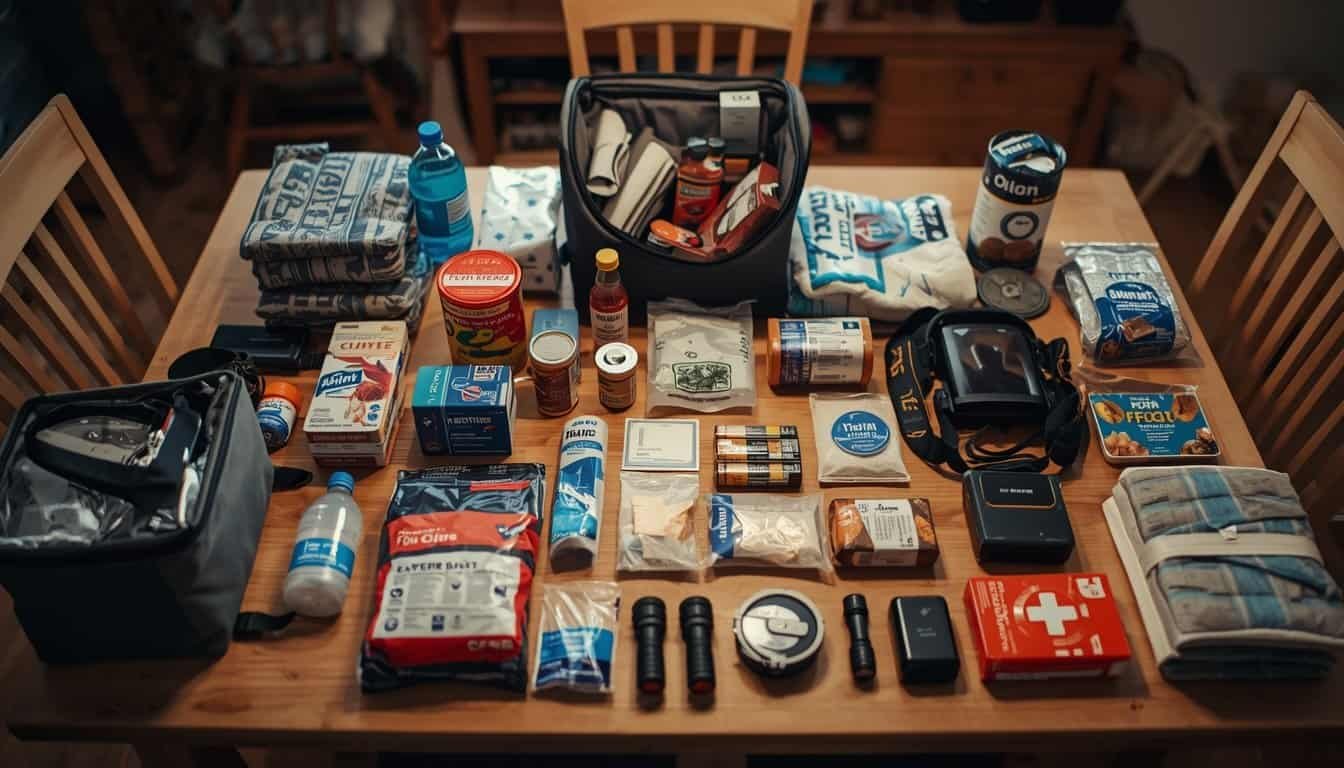
A 72-hour emergency kit for power outages should make the first three days easier, not more complicated. The goal is not to build a giant survival stash full of random gear. The goal is to gather the household essentials you are most likely to need when the lights are out, stores are crowded or closed, refrigerators are warming up, and everyday routines suddenly take more effort than usual.
The best outage kits are practical, easy to find, and built around real household habits. If your kit is too scattered, too complicated, or filled with items you will never use, it will not help much when the power actually goes out. A good 72-hour kit supports lighting, water, food, charging, comfort, communication, and basic sanitation so the household can stabilize quickly instead of scrambling room to room.
This kit is designed to cover the first three days of a home power outage with less stress and fewer urgent store runs. It is not a wilderness survival bag or a substitute for long-term planning. It is a home-readiness system for the period when most households feel the most disruption.
Why the First 72 Hours Feel Harder Than People Expect
Power outages create more friction than many households remember. Lighting becomes a problem immediately. Charging becomes a concern within hours. Refrigerated food becomes uncertain, routines get interrupted, and small inconveniences start stacking up. Even a household with plenty of supplies in the home can still feel unprepared if the important items are scattered across closets, drawers, cars, and cabinets.
The first three days matter because that is the window where most households are still trying to figure out whether the outage will be brief or extended. It is also when people are most likely to waste energy hunting for batteries, trying to remember where the flashlight is, or realizing too late that their water, easy food, and charging setup are not as ready as they assumed. A 72-hour kit reduces that decision fatigue.
It also creates a base you can expand later. If the outage ends quickly, the kit still proved useful. If the outage stretches longer, the first 72 hours are already under better control, which makes it easier to move into a broader household plan without feeling behind from the start.
What Every Outage Kit Should Cover First
The most useful kits start with categories, not gadgets. Think first about water, lighting, communications, food, sanitation, health needs, and comfort. Those are the areas that affect nearly every home during an outage, regardless of whether the event is caused by storms, heat, winter weather, or a local utility problem.
Water is one of the simplest but most overlooked categories. Many households assume the tap will remain usable, and often it does, but outage planning is stronger when a basic stored supply is already available. Lighting comes next because once the power is out, flashlights and batteries become important immediately. Communication and charging also move up the list quickly, especially if the outage affects a wider area and people are trying to follow updates, check on relatives, or preserve phone battery for the hours ahead.
Food should be practical rather than elaborate. A 72-hour kit does not need gourmet emergency meals. It needs shelf-stable, easy-access items the household will actually eat without creating extra cleanup or cooking demands. The same principle applies to comfort and sanitation. A few well-chosen items usually help more than a bulky pile of rarely used products.
Plan Your Water Before You Build the Rest of the Kit
A practical emergency baseline is 1 gallon of water per person per day for drinking and basic sanitation. For very warm conditions, planning for 2 gallons per person per day gives the household more margin. Illness, pregnancy, nursing, pets, medical needs, caregiving routines, and other household factors can increase the amount further.
For a three-day outage, use the Emergency Water Storage Calculator to estimate a household target based on the number of people, very warm conditions, pets, and an optional reserve. That gives you a clearer starting point than buying a few cases of water and hoping the amount is enough.
Keep drinking water separate from water intended only for toilet flushing, cleaning, or other non-drinking uses. If your home depends on a private well, be even more conservative because the tap may stop once pressure-tank reserves are used.
Do not size your emergency water supply to the exact minimum. Build in margin for heat, spills, pet needs, illness, or an outage that lasts longer than expected.
Build Your Kit Around the Categories You Will Use Most
A simple way to make the kit more effective is to organize it by function. Keep lighting together. Keep water and simple food together. Keep first-aid and medications easy to find. Keep chargers, battery banks, and cables in one place instead of letting them drift around the house. When the power goes out, organization matters almost as much as the supplies themselves.
Most households also benefit from including a printed contact sheet, basic cash, a manual can opener if canned food is part of the plan, and a small amount of comfort gear such as blankets or cooling items depending on season. If a storm is involved, families may also need to respond quickly to alerts and changing conditions, which is why it helps to connect your kit planning to severe weather alerts and family communication plans rather than treating supplies and communication as separate topics.
The key is to build a kit that can be used fast. If an item is important enough to belong in the kit, it should not be buried under unrelated household storage or mixed into general clutter where it will be forgotten under stress.
Lighting and Charging Should Be Easier Than People Make Them
Outage lighting does not need to be fancy, but it does need to be reliable. Flashlights, spare batteries, battery banks, charging cords, and any small backup lighting tools should be grouped where they can be reached in minutes, not hunted down one at a time. Many people discover during outages that they technically own what they need, but it is spread across several rooms and impossible to gather quickly in the dark.
That same logic applies to device charging. A kit should not assume that every phone, light, and comfort device can be supported at once. It should simply give the household enough immediate charging support to stay informed and organized during the early stage of the outage.
Food and Water Choices Should Reduce Work, Not Add It
The first three days of an outage are not the best time to rely on elaborate cooking plans. A 72-hour kit works best when it includes foods that are familiar, shelf-stable, and low-effort. Think in terms of meals or snacks that can be eaten safely and calmly even if refrigeration is uncertain, kitchen lighting is limited, and cleanup options are reduced.
Water planning should be equally practical. Store enough to support drinking and basic sanitation without assuming that shopping will still be convenient. If the outage expands into a longer event, this early kit can then connect naturally to a broader 7-day power outage plan so the household is not rebuilding its response from scratch after day three.
Households should also adjust the kit for the people actually living there. Children, older adults, and anyone with dietary or medical needs may require more specific foods, hydration planning, or convenience items. A generic kit is better than nothing, but a household-specific kit is much easier to use well.
Do not let the idea of a “perfect kit” delay building a useful one. A simple, organized outage kit you can access today is safer than an ambitious plan you never finish. Start with the essentials, then improve it over time.
Do Not Forget the Season Your Outage Kit Has to Work In
A practical outage kit should reflect the conditions your household is most likely to face. Summer outages may require more attention to hydration, cooling support, and sun-blocking routines. Winter outages may require more emphasis on warmth, layering, and safe comfort supplies. Storm-prone households may also need the kit positioned so it can be reached quickly if severe weather is expected.
That seasonal thinking is especially important in hot-weather outages, where discomfort can become a health problem faster than people expect. If your home is vulnerable to hot summer outages, pair your kit planning with heat wave power outage planning so your water, cooling, and room-use decisions work together instead of being improvised on the spot.
The same idea applies to where the kit is stored. It should be easy to reach, dry, and unlikely to become inaccessible during the types of events your home actually faces. A well-stocked kit does not help much if it is stored in a place that becomes hard to access during the very outage or storm you built it for.
How to Use the Kit Once the Outage Begins
An outage kit works best when it supports a calm first-hour routine. Pull out the lighting tools you need first, confirm communication and charging priorities, and then move into water, food, and comfort planning without emptying the entire kit onto the floor. A well-packed kit should reduce chaos, not create more of it.
This is also where it helps to combine supplies with a simple action plan. Your kit tells you what you have. A timeline tells you what to do next. That is why households should pair their kit with a practical power outage checklist for the first 15 minutes, first 4 hours, and first 24 hours so the early outage period feels more organized and less reactive.
As the outage continues, use the kit intentionally rather than all at once. Preserve what matters, track what is getting low, and keep the household routine smaller than normal. A 72-hour kit is most useful when it helps the home slow down and stabilize instead of burn through supplies in a rush.
A Good 72-Hour Outage Kit Is Practical, Not Dramatic
Many people avoid building outage kits because the idea sounds expensive, overwhelming, or extreme. In reality, the best kits are usually straightforward. They gather ordinary but important items in one place so the household can function with less stress during the first three days of disruption.
Use the Emergency Water Storage Calculator to make sure the water portion of your kit matches your household, then keep the rest simple: lighting, easy food, charging support, basic health and sanitation items, and seasonal comfort supplies. If those pieces are organized and easy to reach, your household will handle the next outage with much more confidence and much less scrambling.