


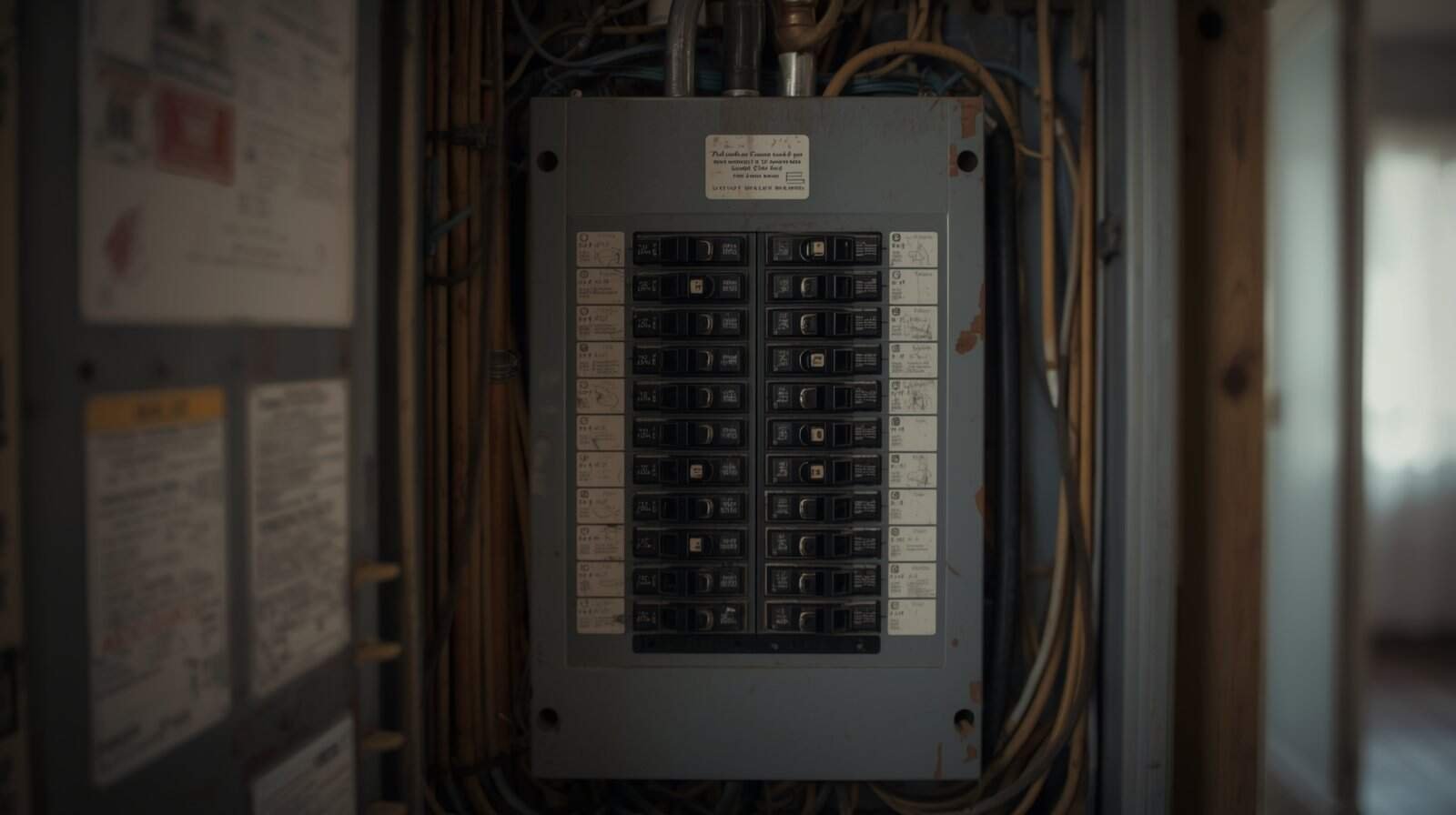
When homeowners think about electrical safety, they often focus on individual outlets, appliances, or breakers. The main electrical panel rarely gets attention unless something trips or power goes out entirely. In reality, panel capacity plays a quiet but important role in how safely a home handles everyday electrical demand.
Operating near a panel’s practical capacity does not always cause immediate problems. Instead, it can reduce the system’s ability to absorb normal fluctuations in load, making other issues appear more often or more severely. Understanding how panel capacity limits affect safety helps homeowners interpret warning signs more accurately.
What “Panel Capacity” Means in Everyday Terms
Panel capacity refers to how much electrical current the home’s service and main panel are designed to handle safely. This includes the rating of the service entrance, the main breaker, and how power is distributed to branch circuits. It is not a single number that determines safety in isolation, but a context for how the entire system behaves.
In older homes, panel capacity was often sized for a simpler lifestyle with fewer high-demand appliances. As modern electrical use has increased, that original capacity can feel tighter even when the system technically still functions.
This doesn’t automatically mean the panel is unsafe. It means the margin for handling stacked loads and long-duration demand may be smaller than homeowners expect.
Why Panel Capacity Issues Often Show Up Indirectly
One reason panel capacity problems are hard to recognize is that they rarely show up as a single clear failure. Instead, they influence how the system responds under normal conditions. Lights may dim more easily, breakers may trip under combinations of use that feel ordinary, or outlets may feel warmer during busy routines.
These signs can be mistaken for appliance issues or isolated circuit problems. In reality, the panel’s limited ability to distribute power smoothly can amplify stress elsewhere in the system.
This indirect behavior is why capacity limits are often overlooked until patterns become hard to ignore.
How Modern Electrical Use Pushes Against Older Service Limits
Modern households draw more power for longer periods than older systems were designed for. Always-on electronics, home offices, kitchen appliances, and comfort devices all contribute to a higher baseline load throughout the day.
This broader mismatch is explained in Why Modern Electrical Use Pushes Older Home Circuits to Their Limits. When that modern demand meets an older panel with limited capacity, the system has less flexibility to handle peaks without stress.
The result is not always failure, but a system that operates closer to its comfort ceiling more often.
Shared Circuits and Panel Capacity Work Together
Panel capacity does not exist in isolation. How branch circuits are laid out and shared affects how demand shows up at the panel. In homes where multiple rooms share circuits, stacked loads can concentrate stress at both the circuit and panel level.
If you are not sure how rooms can share a circuit, this companion article explains the layout clearly: Why Multiple Rooms Can Share One Circuit (And Why It Matters for Safety).
When shared circuits feed into a panel that is already operating near capacity, small changes in usage can have outsized effects.
Why Capacity Limits Can Accelerate Heat Damage
Operating near capacity can make slow heat damage more likely. When the system has less headroom, components spend more time under load and less time cooling. That environment can accelerate wear at weak points such as connections, terminals, and older devices.
This ties directly into Why Electrical Heat Damage Builds Over Months, Not Moments. Capacity limits do not cause heat damage on their own, but they can shorten the timeline by keeping stress levels consistently higher.
Over time, this can turn minor issues into recurring safety concerns.
Why Breakers Alone Don’t Tell the Whole Story
Homeowners often assume that if the main breaker or branch breakers are not tripping, the panel is handling demand safely. Breakers are designed to respond to overcurrent conditions, not to gradual heating at specific points in the system.
A panel can be near its practical limit while still operating “within spec.” In that state, localized resistance and heat can develop without triggering a trip. For a deeper look at that mechanism, this article is a useful reference: How Electrical Resistance Creates Heat Long Before Breakers Trip.
The absence of breaker trips does not guarantee the absence of risk.
Common Signs That Capacity May Be Part of the Problem
Signs that panel capacity may be contributing to safety issues include frequent breaker trips under normal use, lights dimming when appliances start, warm breaker handles, or repeated symptoms across different circuits. These patterns suggest system-wide stress rather than a single isolated fault.
You might also notice that problems appear more often during busy times of day, such as mornings or evenings when multiple appliances are in use. Pattern-based symptoms are especially important to pay attention to.
Recognizing these patterns helps homeowners avoid misdiagnosing capacity-related issues as random quirks.
When to Involve a Licensed Electrician
Panel capacity is not something homeowners should try to evaluate through trial and error. Opening panels, swapping breakers, or experimenting with loads can be dangerous. If you see repeated signs of system-wide stress, professional assessment is the safest next step.
If you want a clear guide for escalation decisions, this checklist-style article explains when it is time to stop watching and call for help: When to Call an Electrician After an Outage: Clear Signs You Shouldn’t Ignore.
Understanding panel capacity limits helps you see electrical safety as a system issue, not just a collection of individual problems. That perspective makes it easier to respond early and protect both your home and the people in it.