


Carbon monoxide is one of the most dangerous risks homeowners face during power outages, largely because it is invisible, odorless, and easy to underestimate. When normal routines are disrupted, people often rely on alternative power, heating, or cooking methods that introduce combustion into places it does not usually exist. Even well-intentioned decisions can create serious risk if the source of carbon monoxide is not fully understood.
Many people associate carbon monoxide danger only with portable generators. While generators are a major source, they are far from the only one. During outages, carbon monoxide can come from heaters, grills, vehicles, fireplaces, and other equipment that behaves differently when ventilation, airflow, or usage patterns change.
This guide explains why carbon monoxide risk rises during outages, where the gas can come from, and how to think about safety at a system level. It also serves as a hub, pointing you to more detailed guides for specific equipment and situations.
Key idea: Carbon monoxide risk during outages is rarely about one mistake. It usually develops from a combination of stress, unfamiliar equipment use, and reduced ventilation. Understanding all possible sources is the first step toward staying safe.
The sections below outline the most common sources and explain how to reduce risk without panic or guesswork.
Why Carbon Monoxide Risk Increases During Power Outages
Power outages change how homes operate. Heating systems may shut down, ventilation fans stop working, and people move activities indoors that would normally stay outside. These shifts create conditions where carbon monoxide can accumulate more easily, especially in tightly sealed homes or during cold weather when windows and doors remain closed.
Stress and urgency also play a role. During an outage, homeowners may focus on staying warm, cooking food, or keeping devices powered, sometimes without the usual margin of safety. Even small changes in placement, airflow, or runtime can significantly affect carbon monoxide levels.
The danger is compounded by the fact that early symptoms of carbon monoxide exposure can feel vague or unrelated. Headaches, dizziness, or fatigue may be attributed to stress or lack of sleep, allowing exposure to continue longer than it should.
Generators Are a Major Source, but Not the Only One
Portable generators are responsible for many carbon monoxide incidents during outages, especially when they are placed too close to the home or used in enclosed or semi-enclosed spaces. Exhaust gases can enter through doors, windows, vents, or even gaps in siding.
Generator safety deserves focused attention, which is why we cover it in detail elsewhere. If you rely on a portable generator, review Generator Carbon Monoxide Safety: What Every Homeowner Needs to Know to understand placement, airflow, and monitoring basics.
Weather conditions can further complicate generator safety. Rain, snow, or high winds may tempt people to move equipment closer to the house or into partially sheltered areas, increasing the risk of exhaust re-entering living spaces.
Heaters, Grills, and Other Combustion Sources
During outages, homeowners sometimes turn to alternative heating or cooking methods that involve combustion. Propane heaters, kerosene heaters, charcoal grills, gas stoves, and even fireplaces can all produce carbon monoxide under certain conditions. Some are designed for indoor use, while others are not, and the distinction matters greatly.
Problems often arise when equipment is used in ways that differ from normal conditions. A heater that is safe in a well-ventilated space may become hazardous in a tightly closed room. A grill that is safe outdoors becomes extremely dangerous in a garage, even with the door open.
Each of these sources deserves its own safety discussion, which is why this hub will connect to detailed guides on specific heating and cooking options as the cluster expands.
Vehicles, Garages, and Attached Spaces
Another overlooked source of carbon monoxide during outages is vehicle exhaust. Warming up a car in a garage, running a vehicle to charge devices, or idling near the home can allow exhaust to seep into living spaces. Attached garages are particularly risky because shared walls and ceilings can allow gases to travel inside.
Carbon monoxide does not respect boundaries like walls or closed doors. If exhaust is present near the home, it can find its way inside through structural gaps, ductwork, or pressure differences created by temperature and wind.
How Carbon Monoxide Builds Up Indoors
Carbon monoxide becomes dangerous when it accumulates faster than it can dissipate. During outages, reduced ventilation and closed-up homes make it easier for levels to rise. Cold weather, snow accumulation, and blocked vents can further trap exhaust gases.
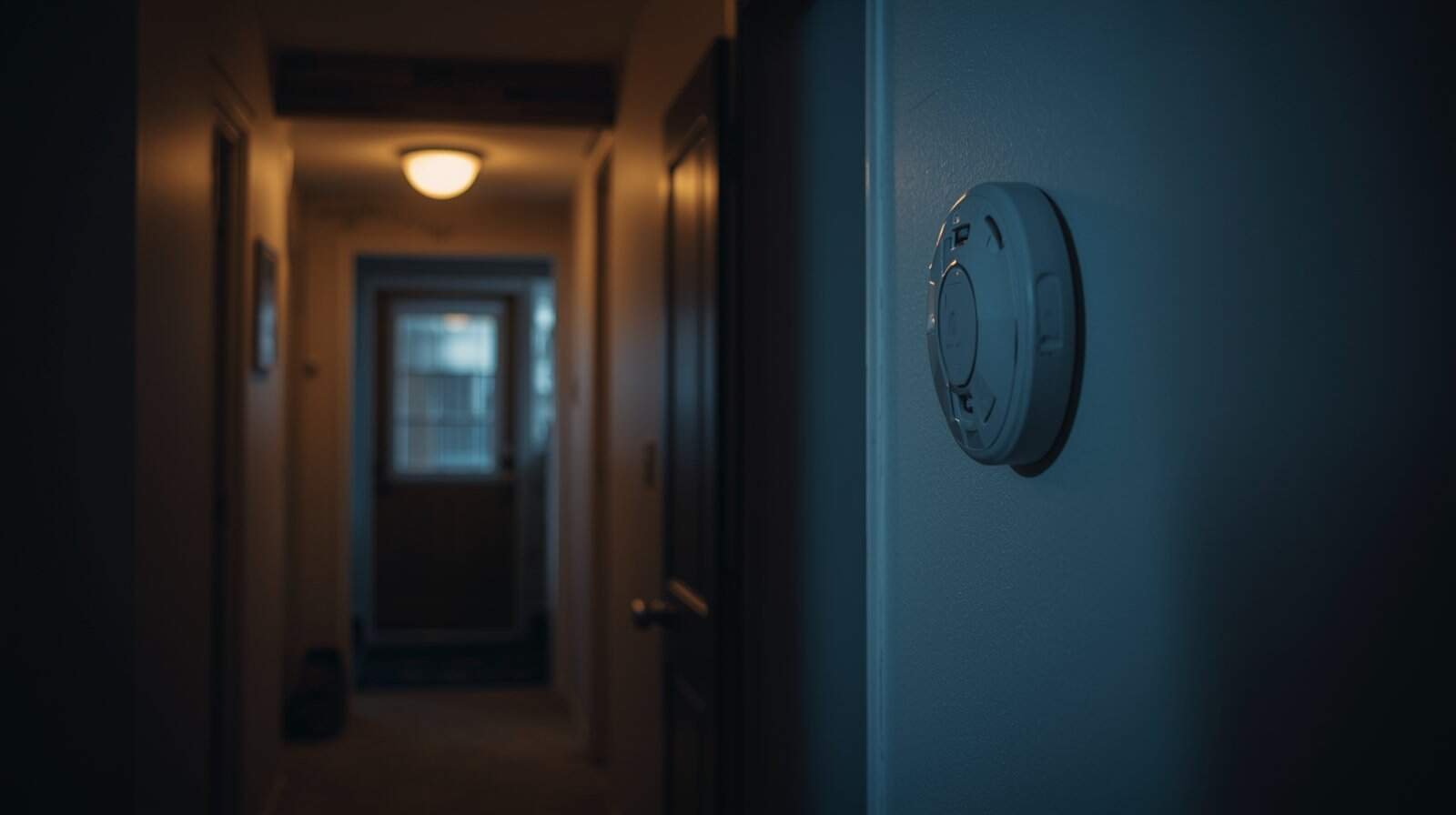
Because the gas is invisible and odorless, detectors are often the only reliable warning. However, detectors are only effective if they are properly placed and functioning. Batteries should be checked regularly, especially before outage-prone seasons.
Safety reminder: Never assume that cracking a window or opening a door makes indoor combustion safe. Partial ventilation is unpredictable and can sometimes make carbon monoxide buildup worse rather than better.
If a device is not explicitly designed for indoor use, keep it outside and far from openings.
Practical Steps to Reduce Carbon Monoxide Risk During Outages
Reducing carbon monoxide risk does not require specialized tools or technical expertise. The most effective steps involve placement, awareness, and restraint. Keep combustion equipment outside living spaces, maintain clear distances from openings, and resist the urge to improvise when conditions are stressful.
Pay attention to how weather affects airflow. Snow drifts, ice, or debris can block vents or redirect exhaust toward the house. Wind can change how fumes travel, making safe distances even more important.
If you use a generator, review guidance on weather and placement, including Can You Run a Generator in the Rain? Safe Weather Protection Options and How Far Should a Generator Be From the House? Safety Distances Explained.
When Carbon Monoxide Risk Should Trigger Immediate Action
If a carbon monoxide detector alarms, take it seriously. Move everyone outdoors to fresh air immediately and contact emergency services if symptoms are present. Do not re-enter the home until the source is identified and addressed.
Even without an alarm, recurring headaches, dizziness, or nausea during an outage should prompt caution. These symptoms are not specific to carbon monoxide, but they warrant investigation when combustion equipment is in use.
Carbon monoxide safety is not about perfection. It is about recognizing when conditions have changed and responding conservatively. When in doubt, stop using combustion equipment and reassess the situation before continuing.
How This Hub Fits Into Your Home Safety Plan
This article is the starting point for understanding carbon monoxide risk during outages. As the cluster grows, you will find detailed guides on indoor heaters, cooking methods, ventilation strategies, and detector placement linked from here.
Carbon monoxide risk often intersects with electrical safety, especially when outages create unusual conditions. If you are unsure whether an electrical issue, ventilation problem, or equipment setup is creating danger, it may be time to seek professional input.
For clearer guidance on when a situation has moved beyond observation and into action, see When to Call an Electrician After an Outage: Clear Signs You Shouldn’t Ignore.