


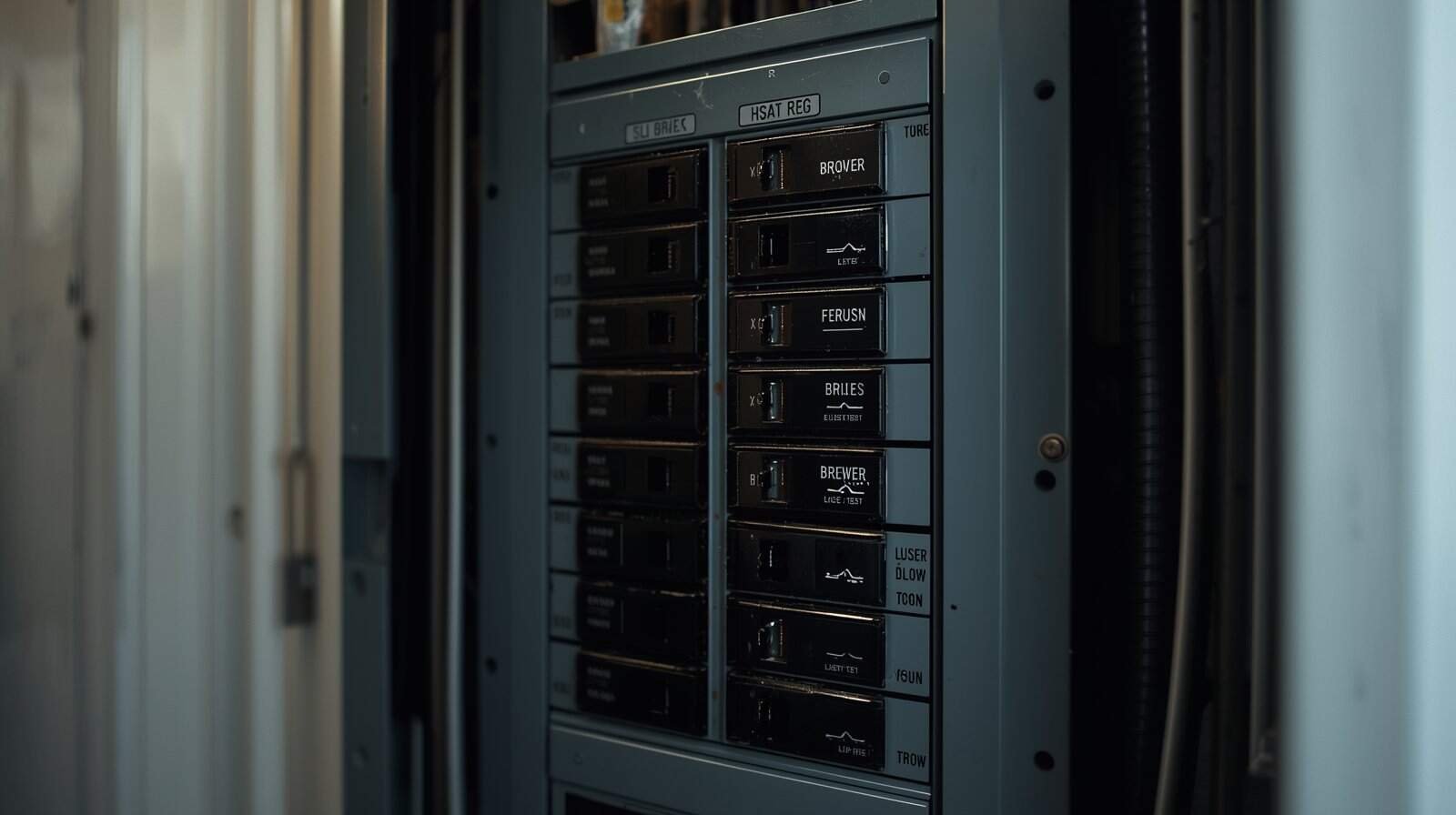
A dedicated circuit is exactly what it sounds like: a circuit that serves only one appliance or one specific load. Instead of sharing power with multiple outlets or rooms, that appliance receives its own protected electrical pathway from the panel. The purpose is not convenience. It is safety.
Modern homes rely on high-draw appliances that can consume large amounts of electricity for extended periods. When those appliances share wiring with lighting, receptacles, or other devices, the combined load can stress conductors and connections in ways that are not always obvious. A dedicated circuit reduces that stress by isolating demand.
What “Dedicated” Really Means in Practical Terms
In practical terms, a dedicated circuit means one breaker in the electrical panel supplies power to one appliance and nothing else. There are no hidden bedroom outlets, no hallway lights, and no additional receptacles quietly pulling current from the same wiring. The entire capacity of that circuit is reserved for that single load.
This isolation matters because electrical systems are designed around safe current limits. When multiple devices share a circuit, their combined draw can approach or exceed those limits. Even if the breaker does not immediately trip, sustained high load increases conductor temperature and accelerates insulation wear.
If you want a broader understanding of how total home demand stacks up, review Electrical Load Management at Home: How to Reduce Strain, Prevent Trips, and Stay Safe. Dedicated circuits are one structural way of managing load safely.
Why High-Draw Appliances Require Isolation
Appliances such as electric ranges, dryers, HVAC equipment, and some space heating systems draw significant wattage. Even smaller appliances—like microwaves or bathroom heaters—can pull close to the safe limit of a standard branch circuit. When these devices operate alone on a circuit, their behavior is predictable and protected.
When they share a circuit, however, unpredictable stacking can occur. A hair dryer plus a heater plus bathroom lighting may exceed safe limits quickly. In older homes especially, wiring was not designed for today’s device density. That is one reason Why Modern Electrical Use Pushes Older Home Circuits to Their Limits is an important companion concept.
Dedicated circuits are not about increasing power; they are about controlling risk by separating loads so heat buildup remains within safe design parameters.
How Shared Circuits Create Hidden Stress
Shared circuits often hide risk because everything appears to function normally. Lights turn on, outlets work, and appliances run. Yet beneath that normal operation, wiring may be experiencing sustained high temperature cycles. Over time, repeated heating and cooling weakens insulation and connection integrity.
This is why Overloaded Circuits Without Tripped Breakers: Why It Happens and Why It’s Dangerous can occur. Breakers respond to defined thresholds, but heat stress can accumulate below those limits. Dedicated circuits reduce the probability of this slow-burn deterioration.
Fire Risk and the Long-Term View
Electrical fires often begin at connection points where resistance increases over time. Loose terminals, worn receptacles, and aging conductors are more likely to fail under sustained stress. When multiple devices share a circuit, those stress cycles occur more frequently and at higher temperatures.
Understanding how that gradual progression unfolds is essential, which is why How Electrical Load Problems Turn Into Fire Risks Over Time provides deeper context. Dedicated circuits interrupt that chain by limiting how much stress any one conductor must carry.
From a safety perspective, separation reduces cumulative risk. It does not eliminate all hazards, but it significantly narrows the conditions under which heat damage accelerates.
When to Escalate and Seek Professional Evaluation
If you suspect that a high-draw appliance is sharing a circuit with lighting or other outlets, especially in an older home, that is a reasonable point to seek professional evaluation. Signs such as dimming lights, warm outlets, buzzing, or repeated breaker trips indicate the circuit may be operating near its safe margin.
Homeowners should not attempt to rewire circuits or modify breaker panels themselves. Installing or reconfiguring a dedicated circuit requires load calculation, conductor sizing, and code-compliant installation practices that must be handled by a licensed electrician.
Dedicated circuits exist to isolate load, reduce heat stress, and prevent long-term wiring damage. Understanding their purpose helps homeowners recognize when shared wiring may be creating unnecessary risk—and when professional evaluation is the safest next step.